Appropriate for
For gradual removal of black, red, and blue tattoos.
Laser tattoo removal uses Q-Switched technology to fragment unwanted ink. The procedure is designed to target specific colors and depths, aiming for progressive fading over the course of the sessions. This non-invasive method is designed to minimize the risk of scarring, and it is suitable for removing both decorative tattoos and permanent makeup. The treatment is available in Milan (Via Pietro Mascagni 14) and in St. Moritz, at Image Regenerative Clinic. How far a tattoo fades depends on the ink, its depth and the area treated, and is assessed during the consultation.
For gradual removal of black, red, and blue tattoos.
Any age
30 to 60 minutes or more, depending on the tattoo size.
From 3 to 10 sessions depending on extent, once every two months.
Avoid sun exposure throughout the entire treatment cycle.
Select your preferred time and date
Tattoo removal is made possible by new-generation lasers. A tattoo consists of pigment granules (color) that, when hit by the laser beam, are fragmented and progressively removed physiologically from the skin, and eliminated by the body. The physician selects the laser settings according to the color and depth of the ink.
There is no single protocol. Before the first session, the physician examines the tattoo and builds the plan. These are the factors that most affect the number of sessions and the outcome.
Factor | Why it matters |
Ink color | Black, red and blue are the colors indicated for gradual removal; more complex shades, such as green, are treated with customized settings and may respond differently. |
Size and area | A larger tattoo generally takes more time and more sessions; delicate areas such as the face are treated with particular care. |
Pigment depth | Deeper ink tends to require a longer course of treatment. |
Age of the tattoo | An older tattoo, already partly cleared by the body, generally tends to fade faster. |
Skin type | Settings are adapted to the color and sensitivity of the skin to reduce the risk of changes in pigmentation. |
If your tattoo is very large, multicolored or many years old, bring a few photos to the consultation and tell the physician how it was done: it helps estimate timing more realistically.
The number of sessions varies widely (on average from 3 to 10) depending on the tattoo's size, depth and colors, and the laser treatment generally involves one session about every two months. The physician defines the exact plan after the assessment.
After laser treatment, the tattoo tends to fade slowly during the first sessions and, in many cases, more quickly afterwards. Older tattoos tend to be removed more quickly, as the ink has already been partially eliminated by the body.
After each treatment, it's important to follow the specialist's instructions and avoid sun exposure throughout the entire cycle of scheduled sessions.
Results vary from person to person: in some cases the tattoo fades until it is barely visible, in others a partial lightening remains. The physician explains during the consultation what is realistic to expect. As with any medical treatment, side effects and contraindications are possible and are reviewed during the visit.
Q-Switched technology can also be used on permanent makeup of the lips, eyes and eyebrows. If you had microblading or permanent makeup and want to correct it, lighten it or prepare the area for a new treatment, the laser can fade the pigment in a progressive and controlled way.
The physician always assesses the depth of the pigment and the type of dye used, and sets customized parameters to reduce the risk of changes to the surrounding skin.
Image Regenerative Clinic offers laser tattoo removal at both locations. For address and contacts see the pages for the Milan location and the St. Moritz location.
This page is for information only and does not replace a medical consultation. Indications, number of sessions and outcome depend on the individual case and are defined by the physician after the assessment.
Book a consultation at Image Regenerative Clinic, in Milan or St. Moritz: the physician examines your tattoo, explains what is realistic to expect and proposes a treatment plan.
Select your preferred time and date
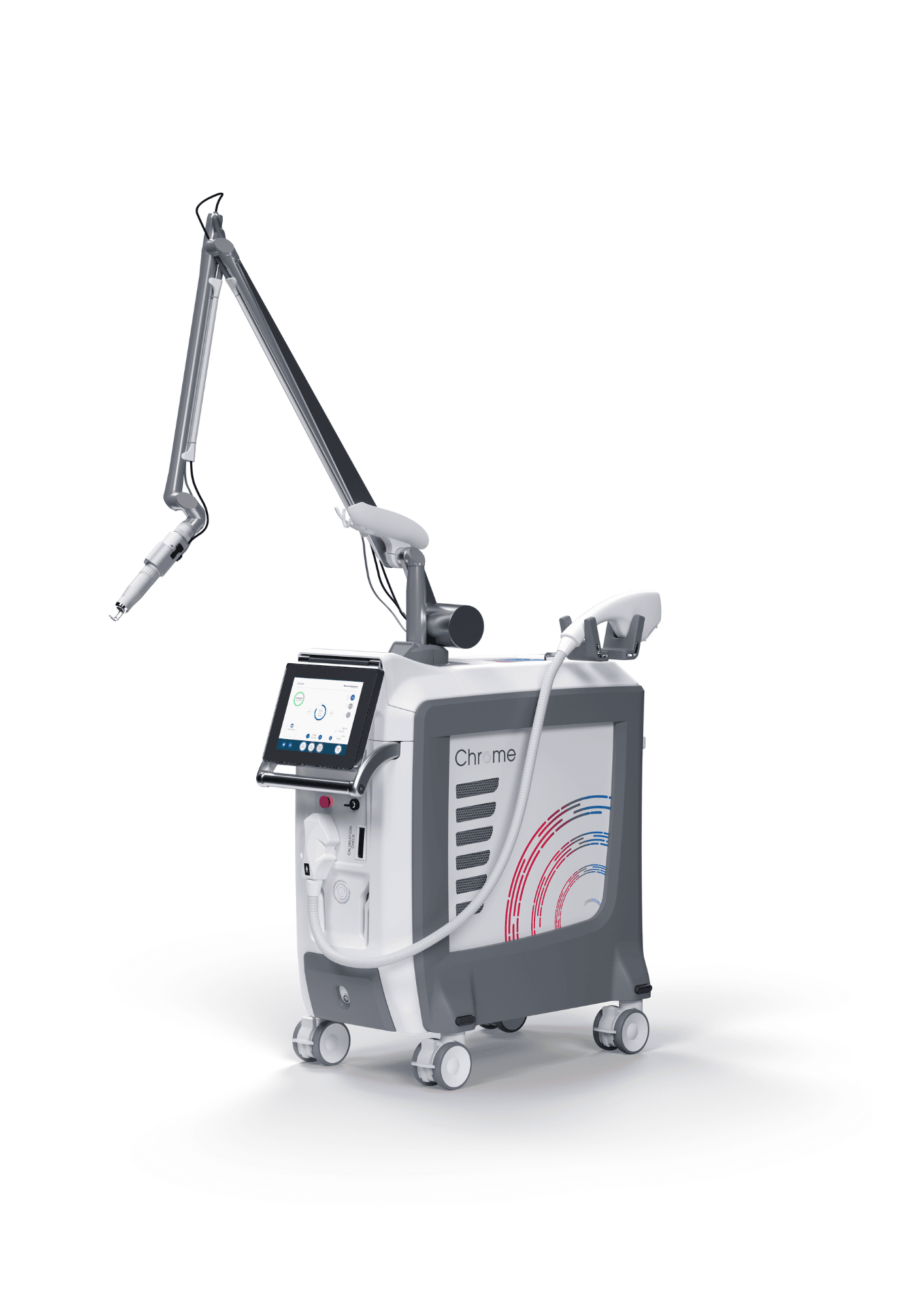
Chrome is a multifunctional laser platform that redefines the concept of technology: a light that changes form, adapting to the skin and its biological needs in real time. By combining multiple wavelengths, 532 nm, 1064 nm and dedicated fractional modules, Chrome can treat pigmentation, vascular lesions, uneven texture, scars, and signs of aging while simultaneously stimulating dermal regeneration with exceptional precision and safety.
Learn more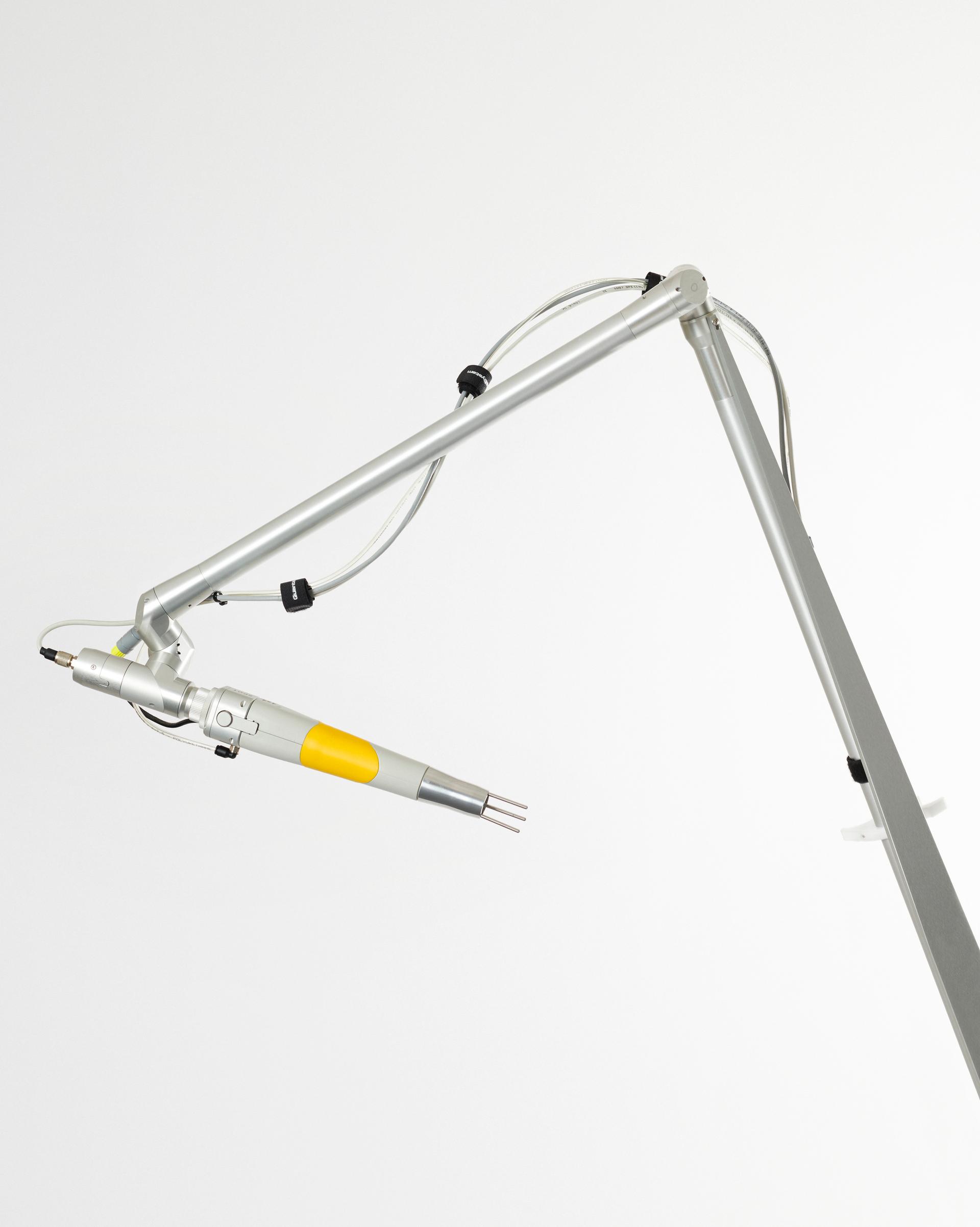
Asset is a non-ablative fractional laser at 1540 nm designed to stimulate deep tissue regeneration. It acts within the most active dermal layers, improving skin texture, firmness, and evenness, while progressively reducing fine lines, enlarged pores, and pigmentation.
Learn moreChrome is a multifunctional laser platform that redefines the concept of technology: a light that changes form, adapting to the skin and its biological needs in real time. By combining multiple wavelengths, 532 nm, 1064 nm and dedicated fractional modules, Chrome can treat pigmentation, vascular lesions, uneven texture, scars, and signs of aging while simultaneously stimulating dermal regeneration with exceptional precision and safety.
Learn moreAsset is a non-ablative fractional laser at 1540 nm designed to stimulate deep tissue regeneration. It acts within the most active dermal layers, improving skin texture, firmness, and evenness, while progressively reducing fine lines, enlarged pores, and pigmentation.
Learn moreWhen performed correctly with an adequate number of sessions, the risk of scarring is low, but it cannot be ruled out entirely: it also depends on how the skin responds and on following the aftercare instructions. The physician assesses the risk in your case during the consultation.
Pain levels vary by individual, but it can be as uncomfortable as getting the tattoo, if not more so.
Tattoo removal typically requires 3-10 sessions, spaced 2 months apart. The exact number depends on the tattoo's size, depth, and colors used.
Most pigments can be treated, including complex shades such as green and blue, using customized settings for each type of ink; however, not all colors respond in the same way. The physician assesses during the consultation what can be achieved.
Often yes, but it requires careful medical management.
Permanent makeup (such as microblading, eyebrows, lips, or eyeliner) often uses surface-level pigments that vary in composition.
The physician carefully evaluates the depth, tone, and type of pigment to select specific settings that protect the surrounding skin.
In some cases, complete removal is possible; in others, a controlled lightening is achieved to restore a natural appearance or prepare the area for a new aesthetic treatment.
There is no single price: the cost depends on the size of the tattoo, its colors, depth and the number of sessions needed. After the medical assessment you receive a personalized quote.
Yes, a course of treatment can be started on extensive or multicolored tattoos too, bearing in mind that they generally require more sessions and more time. This is discussed during the consultation, starting from a photo and the history of the tattoo.
Yes: controlled lightening can prepare the skin for a new tattoo. It is best to agree on the plan with the physician and with your tattoo artist.
In Milan and in St. Moritz, at Image Regenerative Clinic.
If you need more information, call us at +39 02 76280736, message us on WhatsApp, email us at info.milano@imageregenerative.com, or use the form below.