Longevity
Reading time: 3 minutes
Aging: The 6 Pillars of Youth
Compared to the beginning of the last century, the way we age has changed drastically, but now we understand the mechanisms. However, how we age depends on various factors, including our individual choices.
We discuss this with Professor Carlo Tremolada, Researcher and Director of IMAGE REGENERATIVE CLINIC.
What causes cellular aging?
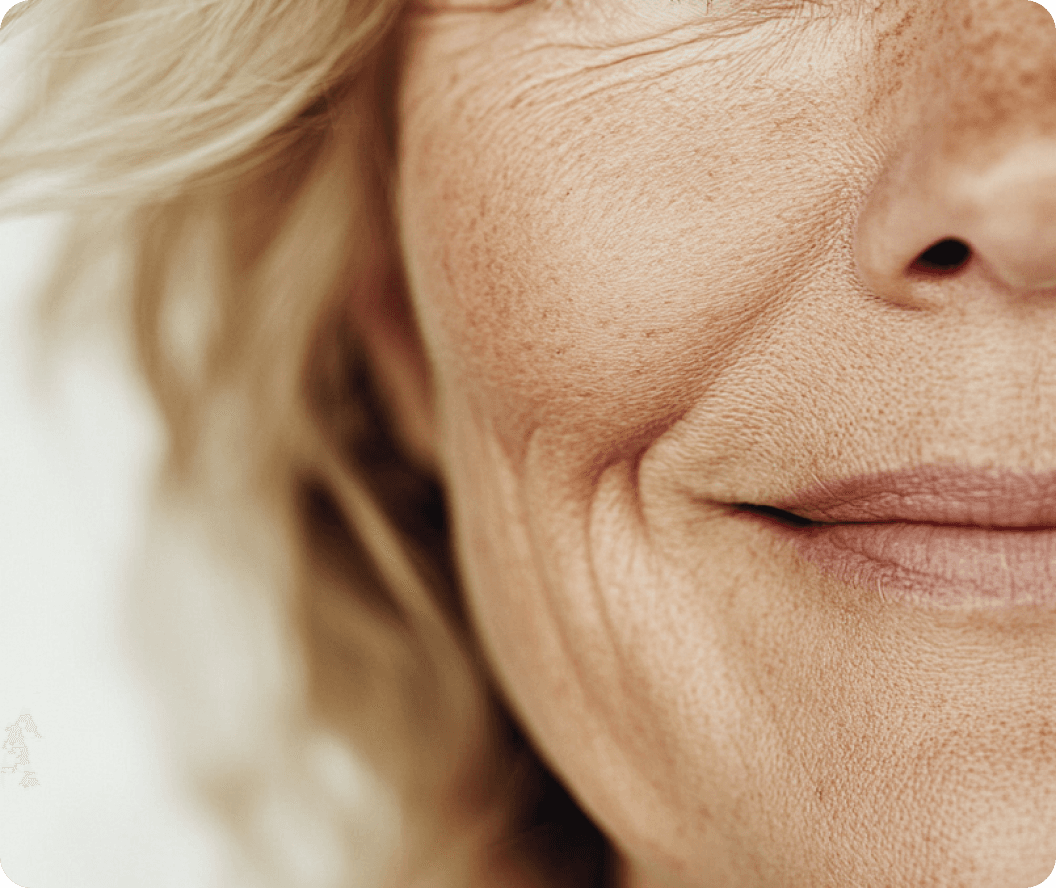
"Old men have grey beards, wrinkled faces, eyes full of discharge and... they lack both wisdom and strength in their legs" (Hamlet, Shakespeare).
Beyond the visible signs, and the way of aging that is very different from the times when Shakespeare wrote Hamlet, some things do not change: the mechanisms by which cells age.
Every adult human being is an agglomerate of cells (from 28 to 36 trillion), which give rise to different forms of aging based on certain cellular mechanisms that, with age, begin to malfunction until they interrupt every signal. And inflammation, in many cases, contributes to delivering the "final blow".
What mechanisms are behind aging?
Aging involves very complex mechanisms that are activated to deactivate those functions that keep us young and vital.
For example, the code stored in DNA and RNA that tells the cell to produce proteins begins to be "read" incorrectly (genomic instability) and damage accumulates both on DNA and at the protein level (loss of proteostasis); even the protective caps of DNA, the telomeres, which are found at the end of the helix, degrade and the DNA tends to "fray" (telomere loss). Cells therefore lose the ability to recycle worn components (cellular autophagy deactivation) and to use all available nutrients to produce energy (mitochondrial dysfunction); consequently they become diseased (cellular senescence), release inflammatory substances (inflammation), the reserves of stem cells that regenerate tissues are reduced to a minimum (loss of regenerative function), and communication between cells throughout the organism is altered and then interrupted.
Over all of this, inflammation looms, due to an excessive immune response, which worsens the situation.
The six pillars of health and youth
All of this does not happen in a few days, but gradually, over the years, every day. Genetic predisposition and environmental factors, lifestyle and daily habits, contribute to making us age differently, some people more quickly or more prematurely than others.
Following a healthy and balanced diet, rich in fiber, proteins, vitamins and minerals, doing daily physical exercise for at least 30 minutes a day, getting enough sleep, that is at least 7 hours of night rest, socializing, managing stress and avoiding or reducing harmful substances, such as cigarette smoke, are those "6 pillars of health" that are equivalent to dipping a foot in the fountain of youth.
However, some people need more than others additional boost actions, that is, additional anti-aging treatments, such as oxygen-ozone therapy against cellular inflammation and to oxygenate tissues, bioresonance to mitigate the effects of stress and promote cellular regeneration, biorevitalizing therapies for the skin and Lipogems® regenerative medicine both for skin rejuvenation and for the regeneration of tissues damaged by wear, aging, trauma. Lipogems® technology, in particular, exploits the regenerative properties of adipose tissue rich in mesenchymal cells, keeping its vascular structure and extracellular matrix intact for better tissue integration.
Related Articles
 longevity
 longevity
The Future of Longevity: Beyond Aesthetic Medicine
From aesthetic medicine to longevity medicine: how to prevent aging with a regenerative and evidence-based approach.
 longevity
How to Choose an Evidence-Based Longevity Medicine Program
How to choose an evidence-based longevity medicine program: examinations, personalized medicine, and how to distinguish science from marketing.
Want More Info?
If you need more information, call us at +39 02 76280736, message us on WhatsApp, email us at info.milano@imageregenerative.com, or use the form below.