Beauty
Reading time: 3 minutes
Dark Circles and Black Under-Eye Circles: Causes, Advice and Treatments
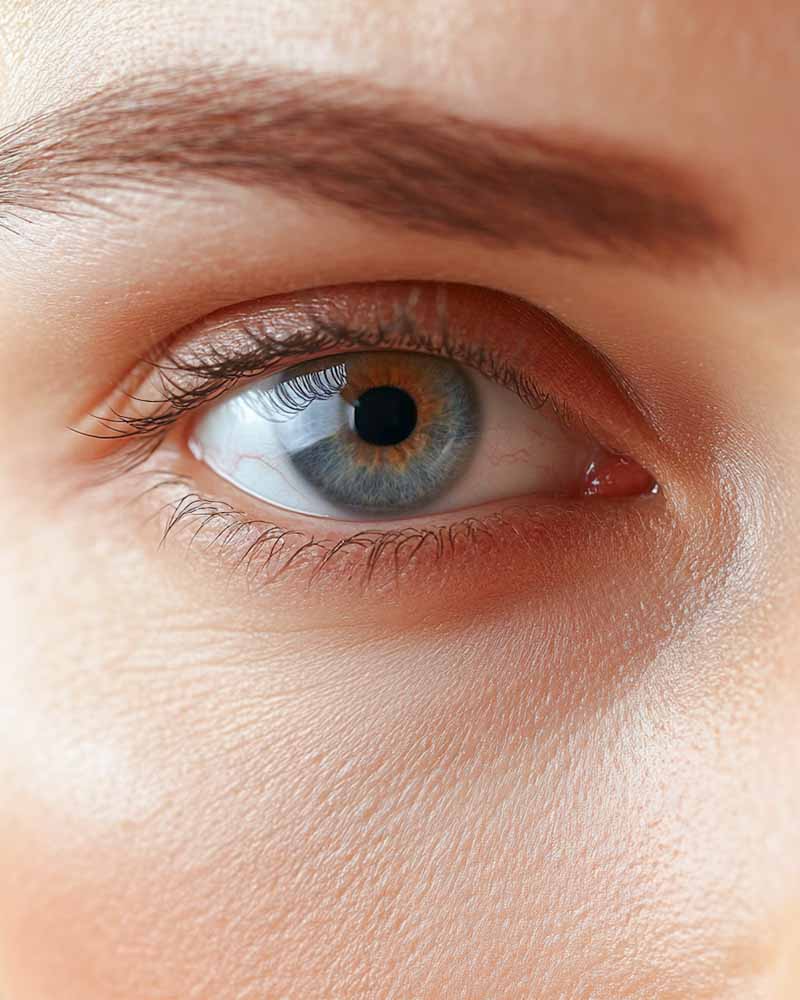
At IMAGE REGENERATIVE, we deeply understand how the eyes can influence the overall harmony of the face and self-perception.
We often welcome patients who live with dark periocular halos that give a perpetually tired or melancholic appearance, even in the absence of actual fatigue. Our clinical approach aims to regenerate tissues from within, going beyond simple concealment of the aesthetic concern.
To effectively treat dark circles and under-eye bags, it is essential to analyze skin quality, vascularization and the underlying bone structure. Through advanced protocols of eye area rejuvenation, we work to restore brightness and freshness, using technologies that respect the patient's natural physiology without distorting features.
What are the causes of dark and black circles?
Dark circles present different characteristics and understanding their origin is the first step towards an effective resolution. Many patients come to the clinic convinced that their problem is solely due to lack of sleep, however the medical reality is much more complex. Periorbital hyperpigmentation, commonly known as "dark circles," is the result of a combination of genetic and anatomical factors.
One of the primary causes is skin transparency. The skin of the periocular area is the thinnest of the entire body. When cutaneous tissue is excessively thin or translucent, the underlying orbicularis muscles and vascular network become visible, creating a halo ranging from blue to purple. This phenomenon is often accentuated by slowed blood circulation or venous stasis causing local vasodilation.
There is also a component related to melanin. In some phototypes, or following excessive sun exposure, there is an accumulation of pigment that colors the skin brown or black. This constitutional hyperpigmentation is common and tends to become chronic if not properly treated. Furthermore, with advancing age, we witness a natural reabsorption of adipose cushions and orbital bone tissue.
This process creates a "void" or pronounced tear trough that, through a play of light and shadow, projects a dark shadow under the eye, simulating the presence of dark circles even where pigmentation is normal.
Factors influencing the appearance of dark circles
Beyond genetic predisposition, our lifestyle plays a crucial role in aggravating or accelerating the appearance of these aesthetic concerns. Clinical experience teaches us that oxidative stress is one of the main enemies of the eyes.
Prolonged periods of emotional or physical tension raise cortisol levels, which can alter blood flow and reduce the skin's ability to repair itself, making blood vessels more evident.
Dehydration is another determining factor. When the body does not receive adequate water intake, the skin loses turgidity and thins further, making the eyes "sink" into the orbits and darkening the surrounding area.
Diet also significantly affects: salt-rich diets promote water retention, which can manifest with morning swelling (bags) that, deflating during the day, leaves the skin relaxed and marked.
Sleep remains a fundamental pillar. During nighttime rest, lymphatic drainage and cellular regeneration processes occur. Disturbed or insufficient sleep prevents proper drainage of fluids and venous blood, causing that vascular congestion that makes us wake up with circled eyes.
Finally, the action of UV rays must be considered: sun exposure without specific protection stimulates melanocytes to produce more pigment, permanently fixing the dark color on the lower eyelid.
Diagnosis and identification of dark circle types
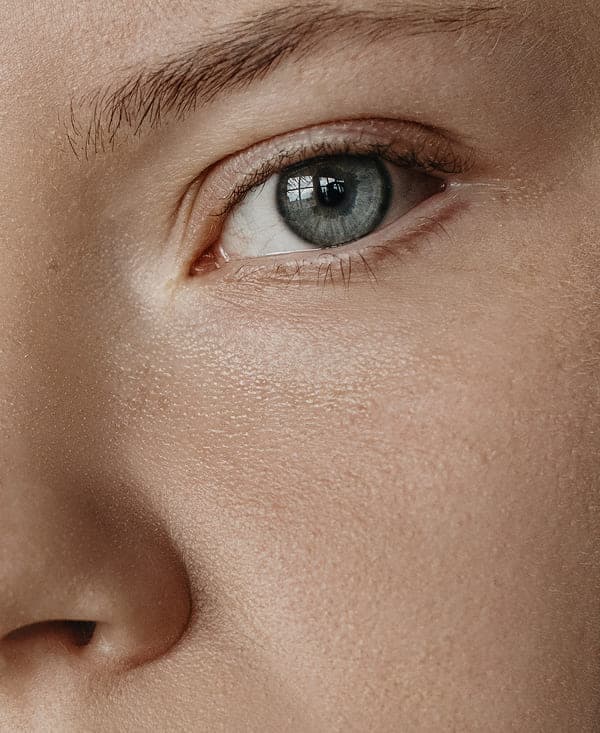
To establish a correct therapeutic plan, accurate differential diagnosis is essential. During the specialist visit, we carefully analyze the periocular area to distinguish between vascular, pigmented or structural dark circles. A simple maneuver we often use is the "stretch test": by gently stretching the skin under the eye, we observe how the color changes.
If by stretching the skin the dark halo diminishes or disappears, we are probably dealing with a vascular-type dark circle or one due to skin thinness; the color is given by the underlying blood. If instead the brown or grayish color remains unchanged despite skin distension, it is a pigmented dark circle, caused by an excess of melanin in the epidermis or dermis.
A third scenario is the structural dark circle, or "false dark circle." In this case, the problem is not the skin color, but the facial morphology. The presence of adipose bags that cast a shadow on the underlying area, or conversely a very deep tear trough, creates a purely optical dark effect.
Often, these conditions coexist: a patient may present both pigment accumulation and volume loss, requiring a combined approach to achieve a satisfactory result.
Daily remedies to prevent dark circles
Prevention and home care are valuable allies for maintaining the results of medical treatments and delaying aging of the eye area. An effective routine begins with protection. Using sunglasses with certified UV filters and daily applying an eye contour cream with SPF helps prevent hyperpigmentation and collagen degradation caused by the sun.
For those suffering from vascular congestion, cold is an excellent vasoconstrictor. Applying cold compresses or using jade rollers kept in the refrigerator in the morning can help reduce swelling and temporarily "close" dilated capillaries, attenuating the bluish color. It is also useful to sleep with the head slightly elevated, using a double pillow, to promote fluid drainage downward and prevent it from stagnating in the periocular area during the night.
From a cosmetic point of view, ingredients such as vitamin K and caffeine are known for their ability to improve local microcirculation. Vitamin C, on the other hand, is indicated for pigmented dark circles thanks to its brightening and illuminating action, as well as stimulating the synthesis of new collagen. However, it should be remembered that creams act superficially: they can hydrate and improve texture, but hardly resolve structural deficits or deep pigmentation without the support of aesthetic medicine.
Cosmetic and medical treatments for persistent dark circles
When home remedies are not sufficient, regenerative medicine offers advanced solutions that go beyond simple filling. At IMAGE REGENERATIVE, we privilege protocols that aim to improve the biological quality of tissues.
The treatment of choice for those with thin, dark skin is Lipogems®, a revolutionary patented technology that uses the patient's own adipose tissue.
Unlike simple volumetric lipofilling, adipose tissue processed with Lipogems® (often in liquid form or "Nanofat" for this delicate area) is rich in mesenchymal stem cells and pericytes. Once infiltrated into the dermis, it triggers powerful tissue regeneration: the skin thickens, vascularization improves and inflammation reduces, leading to natural and lasting facial rejuvenation, typical of the Lipogems® Beauty protocol.
For dark circles characterized by deep grooves, the skillful use of hyaluronic acid-based fillers remains a valid option, provided it is performed by expert hands to avoid the Tyndall effect (bluish swelling) or unnatural overcorrections.
We often integrate the treatment with polynucleotides for eye contour and fine lines, DNA fragments that stimulate fibroblasts to produce new collagen and elastin, improving the compactness and deep hydration of the area without altering volumes.
In selected cases, where there is excess skin or prominent adipose bags that create significant shadows, the most suitable solution may be regenerative blepharoplasty with Lipogems®.
This procedure, unlike traditional surgery which merely removes tissue, aims to reposition volumes and regenerate eyelid skin, offering an extremely natural result and reduced recovery times.
Classification and Treatment Strategies
The following table summarizes the main types of dark circles and the most suitable therapeutic approaches for each, based on our clinical experience.
Dark Circle Type | Prevalent Cause | Visual Characteristics | Recommended Therapeutic Strategy |
Vascular | Venous stasis, thin skin | Blue, purple or reddish color. Visible capillaries. | Lipogems® (Nanofat) to thicken dermis, Carboxytherapy, Specific lasers. |
Pigmented | Melanin accumulation (genetic/sun) | Brown or black color. "Panda effect". | Specific chemical peels, Q-Switched laser, Brightening creams, Lipogems® for regeneration. |
Structural (Groove) | Bone/adipose reabsorption | Dark shadow created by void (Tear Trough). | Lipogems® for regenerative volume, Specific Hyaluronic Acid filler. |
Mixed | Combination of above factors | Mix of colors and presence of grooves or bags. | Combined protocol: Regenerative blepharoplasty + Lipogems® + Polynucleotides. |
FAQ - Frequently Asked Questions
How to eliminate dark circles?
Definitively eliminating dark circles requires a medical approach targeted to the specific cause (vascular or pigmented). The most effective treatments include Lipogems® (Nanofat) to regenerate and thicken the skin, covering the underlying vascular network, and hyaluronic acid fillers or polynucleotides to fill the tear troughs that create dark shadows. Cosmetic creams can slightly attenuate the aesthetic concern but rarely resolve it completely.
What vitamin is lacking when you have dark circles?
Often dark circles can be accentuated by deficiencies of Iron (anemia), which makes the skin paler and highlights blood vessels, or Vitamin K, essential for coagulation and capillary wall health. A deficiency of Vitamin B12 can also negatively affect tissue oxygenation. Supplementing these vitamins through a balanced diet or specific supplements can improve eye appearance.
Which organ are dark circles connected to?
Although traditional Chinese medicine associates dark circles with kidney or liver dysfunction (often linked to dehydration or toxin accumulation), in Western medicine dark circles are primarily a local dermatological and circulatory problem. However, systemic conditions such as thyroid problems or kidney insufficiency can cause water retention and eyelid swelling, worsening dark circle appearance.
When are dark circles a symptom of disease?
In most cases dark circles are a constitutional aesthetic concern. However, if they appear suddenly or are accompanied by other symptoms, they may indicate allergies (allergic rhinitis), atopic dermatitis, severe dehydration states or anemia. It is important to consult a physician if the change is sudden and not related to fatigue or physiological aging.
Related Articles
 beauty
Reduce Thigh Circumference: How to Lose Centimeters?
Reduce thigh circumference with advanced techniques at IMAGE REGENERATIVE. Discover effective treatments for slimmer, more toned legs.
 beauty
Sagging Skin Under the Chin: What Can Be Done? Solutions and Remedies
Combat sagging skin under the chin with effective and safe solutions. Discover regenerative treatments for a younger, more toned appearance.
 beauty
Hair Loss? The Effectiveness of Hair Filler: Reviews and Opinions
At IMAGE REGENERATIVE, we believe that the health of your hair begins with a vital and well-nourished scalp.
Want More Info?
If you need more information, call us at +39 02 76280736, message us on WhatsApp, email us at info.milano@imageregenerative.com, or use the form below.