Beauty
Reading time: 4 minutes
Facelift Scars: How to Treat and Eliminate Them?
The desire to regain freshness and harmony in one's face often clashes with a widespread concern: the visibility of post-operative scars. This is a legitimate worry, as the face is our primary means of communication and any visible mark can compromise the naturalness of the result.
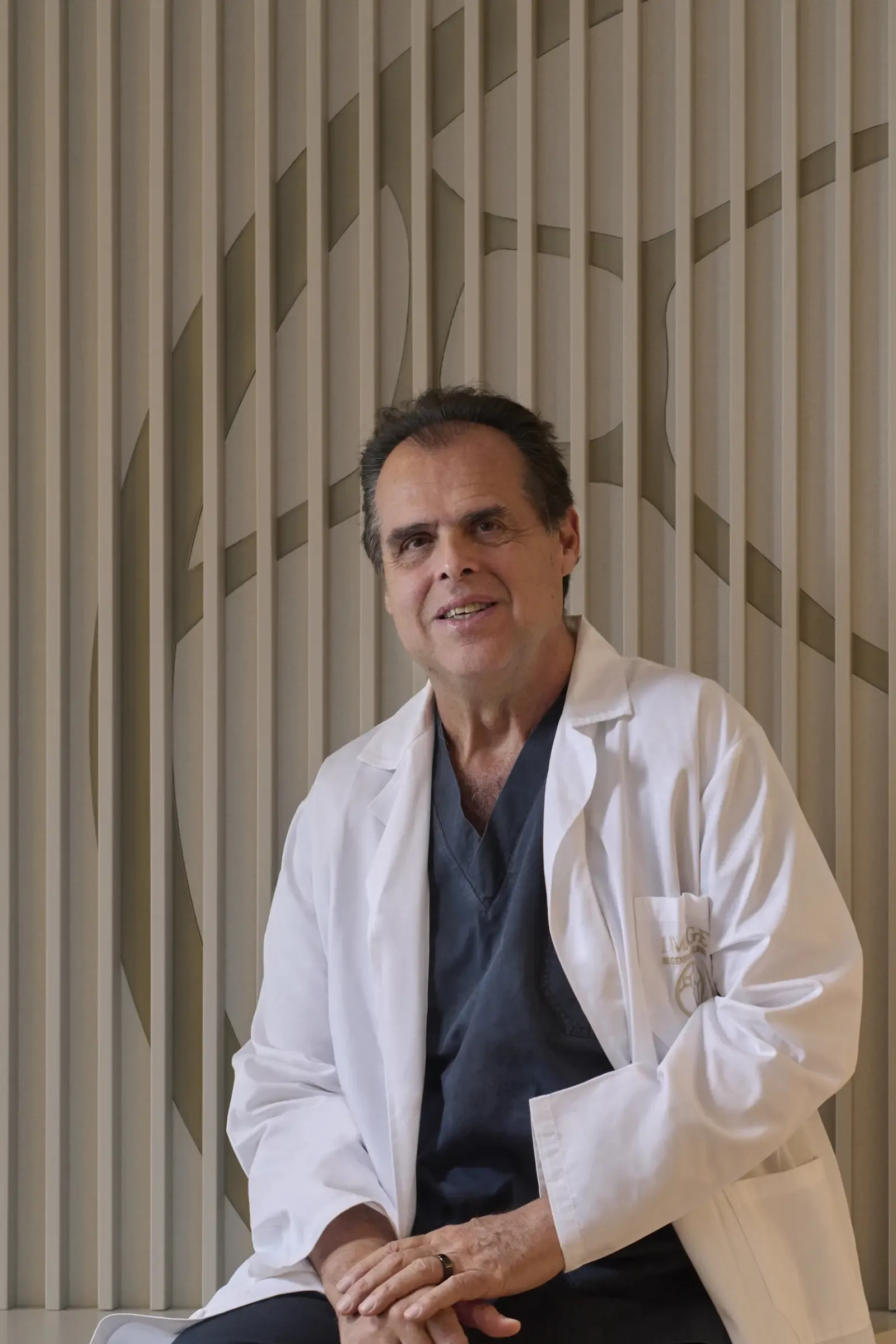
At IMAGE REGENERATIVE Clinic, we have redefined the very concept of facial rejuvenation. Thanks to the extensive experience of Prof. Carlo Tremolada and his team, surgical intervention merges with regenerative medicine.
This integrated approach allows us to guide tissues not simply toward healing, but toward true biological regeneration. The goal is to achieve scar outcomes that are imperceptible, respecting anatomy and skin quality. We successfully treat both first-time patients and those requiring correction of unsatisfactory scar outcomes from previous operations performed elsewhere.
For those wishing to explore our specific methodologies on facelift scar treatment, we offer protocols that combine surgical precision with the regenerative power of autologous adipose tissue.
Facelift Scars: What to Expect and How to Minimize Them
When undergoing a facelift procedure, it is essential to understand the physiological nature of scarring. A scar is the body's natural response to an incision; however, its final quality depends on multiple factors, including suturing technique, tension applied to skin flaps, and the patient's individual biological response.
"Ideal" scars are those positioned in strategic areas, such as within the hairline or in the natural folds of the ear, making them virtually invisible to the naked eye once the maturation process is complete. At IMAGE REGENERATIVE Clinic, pre-operative planning is meticulous: we study facial morphology to conceal incisions in natural transition lines.
A crucial aspect for minimizing marks is tension management. A properly performed facelift distributes traction to the deep muscular structures (SMAS), leaving the surface skin free from excessive tension. This technical detail is decisive, as skin sutured without traction heals better, producing thin and flat scars, unlike when the skin is "pulled" excessively, risking scar widening or hypertrophy.
Modern Surgical Techniques for the Face
The evolution of aesthetic surgery has led to increasingly less invasive and more tissue-respectful techniques, but the true revolution lies in integrating cellular regeneration during the surgical act.
Prof. Tremolada has introduced an innovative protocol that involves using Lipogems® technology in conjunction with the facelift. This procedure uses the patient's own adipose tissue, micro-fragmented to preserve intact vascular-stromal niches, rich in mesenchymal stem cells and pericytes. The infiltration of this "biological gold" into facial tissues has a dual function: it restores lost volumes with extreme naturalness and, even more importantly, improves vascularization and the quality of the overlying skin.
Well-vascularized and internally nourished tissue approaches the healing process with superior resources. The presence of regenerative factors reduces post-operative inflammation and modulates collagen deposition, preventing the formation of hard fibrosis or hypertrophic scars. This approach is particularly valuable in secondary surgery procedures, where we often need to correct visible scars or distortions caused by previous facelifts performed with traditional techniques. In these cases, Lipogems® acts by softening pre-existing fibrotic tissues, preparing them for more effective new surgical correction.
Post-Operative Care: Accelerating Healing and Reducing Scars
The final aesthetic result is also built after the patient has left the operating room. Post-operative management is an active phase of treatment, where patient collaboration is essential.
Immediately after the procedure, it is vital to keep the incisions clean and moisturized, scrupulously following the surgeon's instructions. Direct sun exposure must be strictly avoided for several months, or managed with total sunscreens, as UV rays can cause permanent hyperpigmentation on fresh scars, making them dark and visible.
Beyond hygiene and behavioral norms, at IMAGE REGENERATIVE Clinic we support the healing process with specific integrative programs. The use of therapies that improve tissue oxygenation and reduce edema contributes to creating a favorable environment for optimal scarring. It is important to monitor the scar's evolution month by month: slight initial redness is physiological, but should progressively fade, leaving a thin white line.
Here is an overview of the healing phases and recommended actions to maximize the aesthetic result:
Time Phase | Scar Condition | Recommended Clinical and Home Action |
Days 1-14 | Fresh incision, presence of stitches, slight swelling. | Sterile dressings, rest, ice application, complete smoking abstinence (harmful vasoconstrictor). |
Weeks 2-6 | Complete closure, pinkish tissue (inflammatory phase). | Deep hydration, gentle massage if prescribed, SPF 50+ sun protection. Start silicone-based topical therapies. |
Months 2-6 | Maturation, redness begins to decrease. | Medical evaluation for possible regenerative treatments (Lipogems®/Laser) if irregularities or fibrosis are noted. |
Months 6-12 | Final settling, the scar whitens. | Final check. Possible aesthetic refinement to uniformize skin texture with surrounding tissue. |

Aesthetic Treatments to Improve Scar Appearance
Even when a procedure is performed perfectly, individual biology can sometimes lead to more visible scars than desired. Additionally, we receive many patients presenting outcomes from old procedures performed elsewhere. In these scenarios, advanced aesthetic medicine and regenerative surgery offer powerful tools.
For raised, reddened or poor-quality scars, the treatment of choice at our facility remains micro-fragmented adipose tissue grafting (Lipogems®). Unlike synthetic fillers that offer only temporary filling, Lipogems® has a therapeutic effect: the cells it contains modulate chronic inflammation and "restructure" the scar matrix, making the tissue softer, more elastic and similar to surrounding healthy skin.
Alongside biological regeneration, we employ technologies such as fractional laser or medical radiofrequency to smooth the skin surface. These tools act by stimulating controlled cellular turnover, which helps "erase" scar edges and uniformize color. In some aesthetic medicine protocols, we can also integrate medical dry needling to dissolve deep adhesions that pull the skin downward, creating unsightly depressions. The goal is always to restore the face's visual continuity, without altering features.
When to Consult a Professional: Evaluating Available Options
Managing facelift scars requires specific expertise that goes beyond simple plastic surgery; it demands deep knowledge of tissue healing mechanisms. If you are considering a facelift or are dissatisfied with scars from a previous procedure, a specialist consultation is the essential first step.
During consultation at IMAGE REGENERATIVE Clinic, we analyze not only facial aesthetics but also the biological quality of your skin. This allows us to personalize the approach, deciding whether it is necessary to prepare the skin with regenerative treatments before the procedure or to plan targeted correction of existing scars. Trusting experienced hands means choosing the safety of a protocol that puts tissue health at the center of the aesthetic result.
Frequently Asked Questions (FAQ)
How to make facial scars disappear?
It is not possible to completely "erase" a scar, as it is a permanent mark of skin repair, but it is possible to make it almost invisible. Through the combined use of precision surgery and regenerative techniques such as Lipogems®, we improve scar tissue quality making it soft, flat and chromatically identical to surrounding skin, camouflaging it perfectly within the face's natural folds.
How to eliminate scars after a procedure?
To treat visible or old post-operative scars, the most effective approach is multimodal. We use regenerative lipofilling to soften fibrotic tissue and improve vascularization, often combined with laser treatments to smooth the surface. In cases of very wide or poorly positioned scars from previous procedures, secondary surgical correction may be indicated to remove the old scar and suture it with more advanced techniques.
How to help scars heal?
Optimal healing begins with prevention: avoiding smoking is crucial, as nicotine reduces blood flow to tissues. It is essential to protect the area from UV rays, keep the skin moisturized and follow a diet rich in nutrients and antioxidants. At our clinic, we integrate regenerative medicine protocols that enhance the body's natural recovery capabilities, accelerating healing times.
What to apply on scars to make them disappear?
In the initial phases, applying medical silicone gels or sheets is considered the gold standard for preventing hypertrophy, maintaining hydration and proper local pressure. Subsequently, creams based on vitamin E or specific regenerating products can be useful. However, for significant results on structured scars, topical treatments must be accompanied by regenerative medical therapies performed by specialists.
Related Articles
 beauty
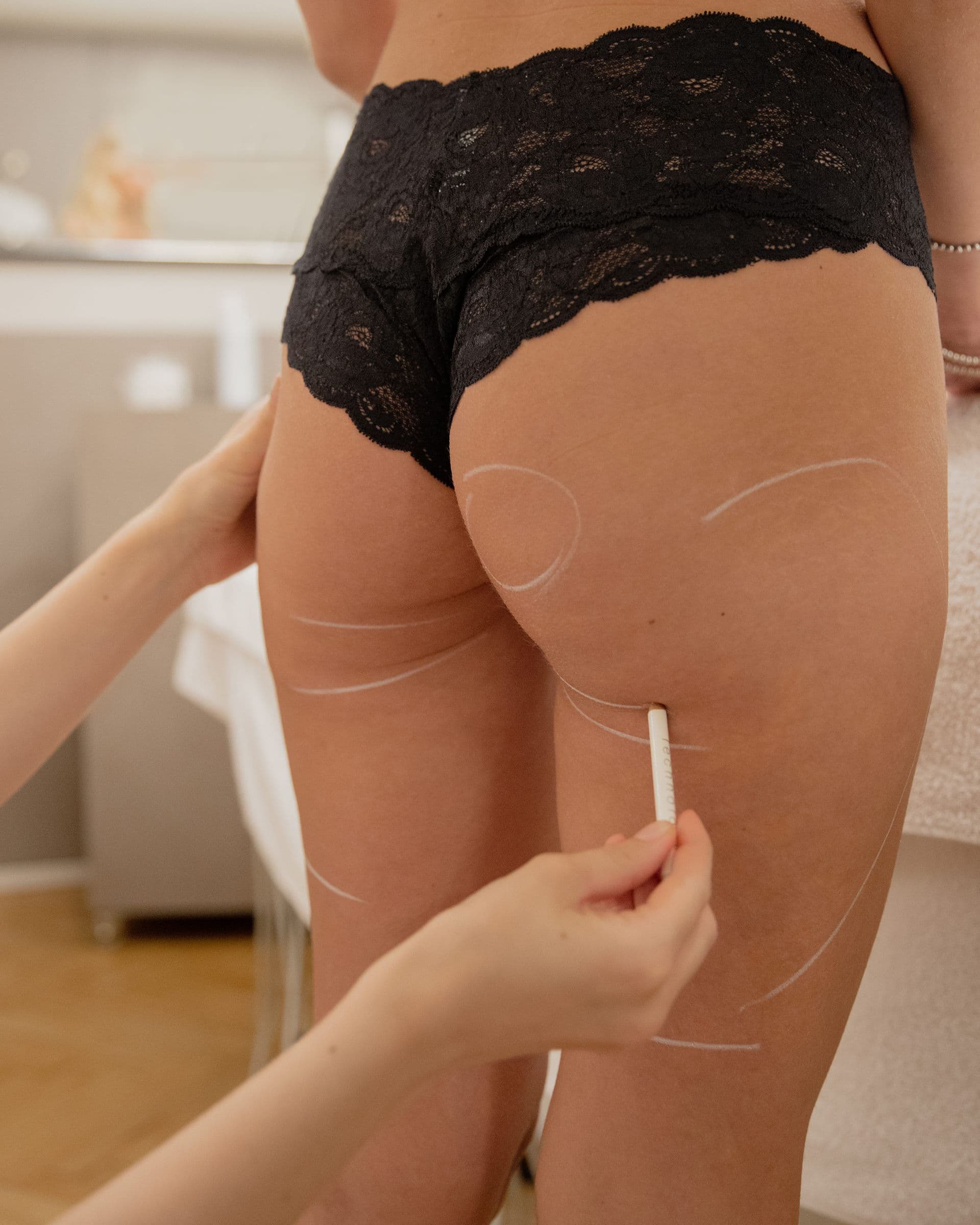
Reduce Thigh Circumference: How to Lose Centimeters?
Reduce thigh circumference with advanced techniques at IMAGE REGENERATIVE. Discover effective treatments for slimmer, more toned legs.
 beauty
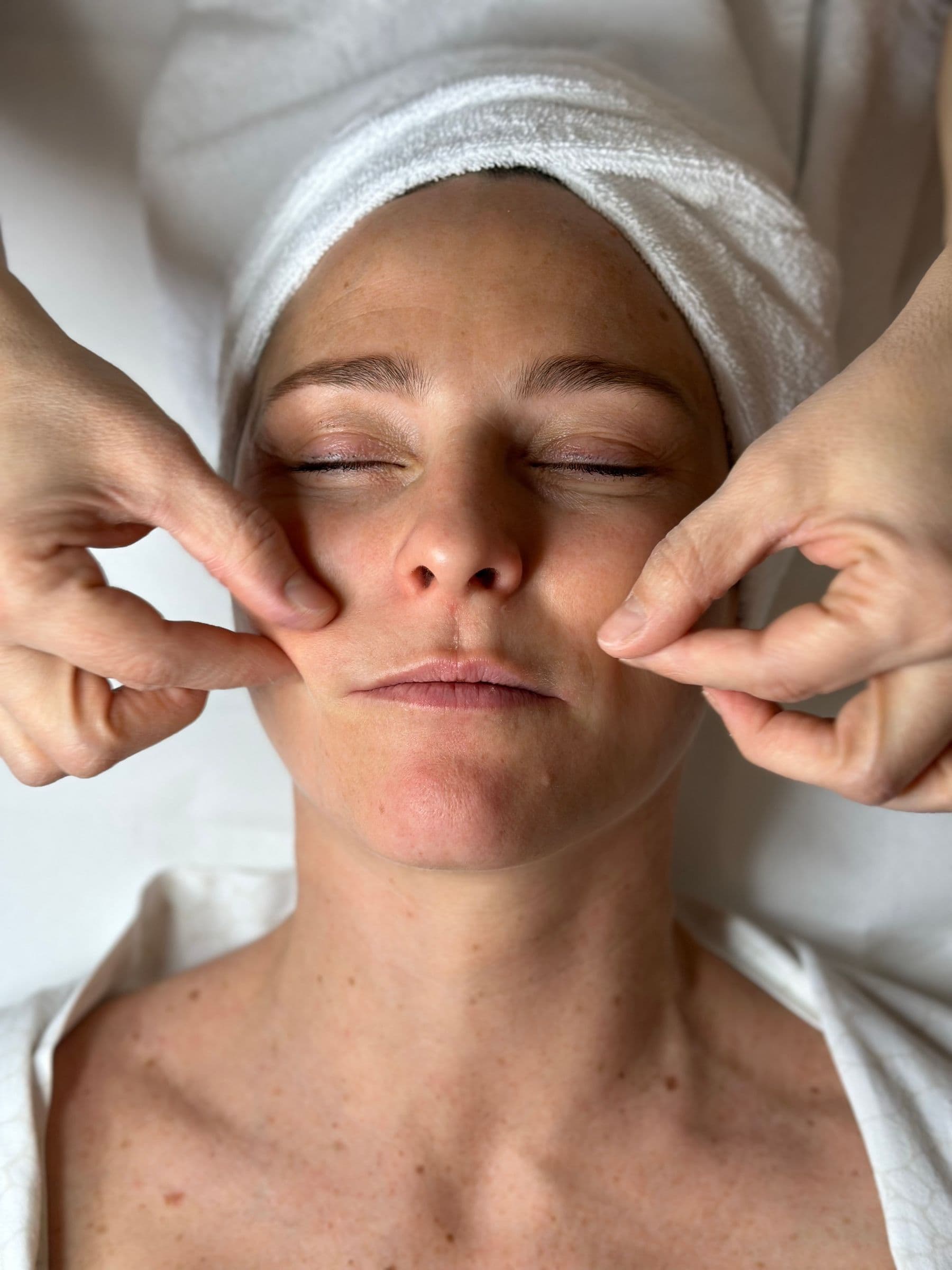
Sagging Skin Under the Chin: What Can Be Done? Solutions and Remedies
Combat sagging skin under the chin with effective and safe solutions. Discover regenerative treatments for a younger, more toned appearance.
 beauty
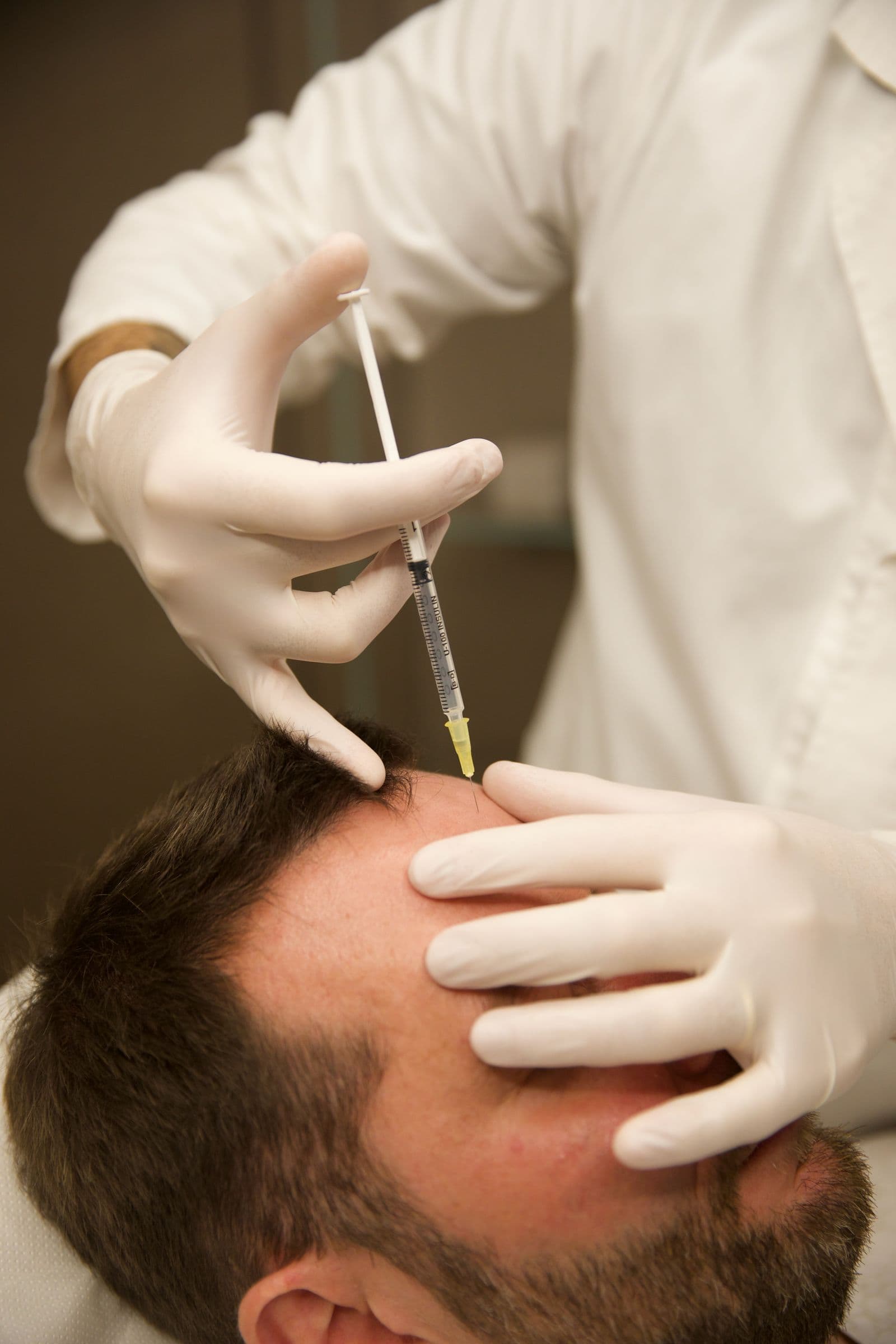
Hair Loss? The Effectiveness of Hair Filler: Reviews and Opinions
At IMAGE REGENERATIVE, we believe that the health of your hair begins with a vital and well-nourished scalp.
Want More Info?
If you need more information, call us at +39 02 76280736, message us on WhatsApp, email us at info.milano@imageregenerative.com, or use the form below.