Beauty
How to Choose a Plastic Surgeon: 5 Questions to Ask
Social media has opened a world that once remained closed within medical offices. Techniques are discovered, results observed, and faces recognized long before meeting them in the clinic. It is a real opportunity that, however, requires a more trained eye.
At IMAGE REGENERATIVE, in Milano and St. Moritz, the specialized surgical consultation often begins with questions from those who have already read extensively online and want to understand how much of that material is truly reliable.
Knowing how to communicate well does not mean knowing how to operate well, and popularity does not certify competence. Let's examine what Italian law establishes, how to verify credentials, and which questions to bring to your consultation.
Who can operate: what Italian law provides
A medical specialization is not an accessory credential. It represents years of training, operating room practice, and supervised case experience. For certain procedures, it even ceases to be merely a training guarantee and becomes a legal requirement.
This is the case with breast implants, where Italian law is more precise than one might imagine. Article 3 of Law 86 of 2012 reserves the application of prostheses for aesthetic purposes to those who hold one of four specialization credentials, or who performed equivalent surgical activity in the five years preceding the law's entry into force.
The credentials that authorize aesthetic implantation are four:
- Plastic, reconstructive and aesthetic surgery, the specialist pathway dedicated to this type of intervention.
- General surgery, which trains in surgical tissue management and complication handling.
- Gynecology and obstetrics, with expertise in breast pathology and physiology.
- Thoracic surgery, which shares with the previous the anatomy of the chest wall and breast region.
The distinction that almost no one reports concerns the purpose of the intervention. For reconstructive implantation and prosthesis removal, the law imposes no restrictions by specialty branch, while the credential requirement applies to aesthetic purposes. Knowing which side of the boundary your request falls on changes the weight of the question to ask.
On the same procedure, the law sets a second limit, this time on age. Aesthetic implantation is permitted only for those who have reached legal age, except for certified severe congenital malformations, and for those who violate the prohibition, an administrative sanction of twenty thousand euros and three-month professional suspension are provided. These are constraints that concern a specific procedure, breast augmentation, and they give the measure of how delicate the legislator considers the matter.
Communicating well and operating well are two different skills
Building an authoritative digital presence today is relatively simple. It requires consistency, good images, and the ability to explain comprehensibly, all appreciable qualities that, however, belong to a different profession than surgery. Developing solid case experience, managing complications, and developing scientific expertise requires years and does not produce equally pleasant content.
The problem is not communication itself. Well-done education raises the level of questions that patients bring to consultations, and our team considers it part of the work, as shown by Prof. Tremolada's interventions on topics of safety and competence in aesthetic surgery. The point is the inference the public is led to make, that is, deducing clinical quality from narrative quality.
It is worth remembering that in Italy, health information is regulated, because the medical code of ethics requires it to be truthful, correct, and not suggestive. Those who promise certain outcomes or show only perfectly successful cases are moving outside that perimeter, and this is itself a signal.
Images deserve particular caution. A before-and-after sequence depends on lighting, pose, framing, and time elapsed since the intervention, and all these variables can be chosen. Asking to see cases similar to your own, with standardized shots at months' distance, provides more honest information than a selected gallery. In our team's experience, patients who arrive with this request are also those who then face the intervention with more realistic expectations.
Another recurring observation concerns those who speak poorly of colleagues. In our team's experience, comparison between techniques is based on clinical arguments and verifiable data, never on discrediting those who work differently. When the register slips in that direction, attention has shifted from the patient to the competition.
The five questions to ask before surgery
There is a small group of questions that a professional should welcome naturally, because they are those that a colleague would ask. Those who are annoyed by them are saying something about themselves, and that too is useful information.
These are the five that matter most:
- What is your specialization, and what specific qualifications and experience do you have to perform this procedure.
- For how many years have you been performing this procedure and how frequently do you perform it today.
- Why is this technique indicated in my case, what alternatives exist, and what risks does it involve.
- What materials or devices will you use, from which manufacturer, and why did you choose those.
- Where will I be operated, who will follow me in the process, and how are any complications managed.
The fifth question is the one patients forget most often, and in practice it is the most revealing. A serious surgical pathway includes scheduled follow-ups and a reachable point of contact in the days following the procedure, and this is information that should be given beforehand, not afterward.
How to truly verify a surgeon's experience
The answers collected in consultation can be verified, and for the most part this can be done without technical expertise. Registration with the medical board and specialization credentials are verified at the provincial medical board, while documentation of the procedure and implanted device must be requested from the facility, which is required to preserve it.
For breast prostheses there is additionally a dedicated tool. The national registry of breast implants, established by the same law of 2012, collects data on every single procedure performed in Italy, and the implementing regulation of 2022 requires the surgeon to register the procedure within three days of its execution. This is traceability that our team considers concrete protection for the patient, because it allows tracing the device years later.
What to verify | Where to find it | What it tells you |
Medical board registration and specialization | Provincial medical board | Whether the doctor is licensed and with which credential |
Implant registration | National registry of breast implants | Each procedure must be registered within three days |
Facility authorization | Documentation from the surgical facility | Whether the facility is authorized for surgical activity |
Device data | Documentation to request from the facility | Manufacturer, model and batch of the implanted prosthesis |
Informed consent | Form discussed and signed before the procedure | Risks, alternatives and expected limitations of the procedure |
On the number of procedures, it is worth being clear. High volume alone does not tell everything, while very low volume on a complex procedure is data that deserves attention, because surgical dexterity is maintained through regular practice. The right question concerns current frequency, not career total.
A final criterion concerns consistency between what the professional declares and what documentation confirms. Credential dates, facilities where they have operated, and listed publications are elements that cross-reference with little effort, and an obvious discrepancy deserves a direct question.
The facility and team matter as much as the name
A surgical procedure is not an individual act. Around the surgeon work the anesthesiologist, operating room staff, and those who manage recovery, and overall quality depends on all of them. An authorized surgical facility has a compliant operating room and the ability to manage an emergency, conditions that an unequipped office does not offer.
There is a regulatory detail that illustrates this well. Regional breast implant registries do not census facilities authorized only for local anesthesia, because that type of anesthesia is not compatible with the implantation or removal of a prosthesis. The legislator has thus tied the procedure to the context in which it takes place, and not only to who performs it.
At our Milano and St. Moritz locations, this translates into a pathway where the same team follows the patient from initial evaluation to subsequent follow-ups. This is also why it is advisable to ask who will actually perform the procedure, because the doctor met in consultation and the one present in the operating room should coincide.
Beyond credentials, how authority is built
Specialization remains the starting point, and alone it does not exhaust competence. Research, case experience, publications and continuous education build the rest, and these are elements as verifiable as a credential, because a scientific publication can be found and read.
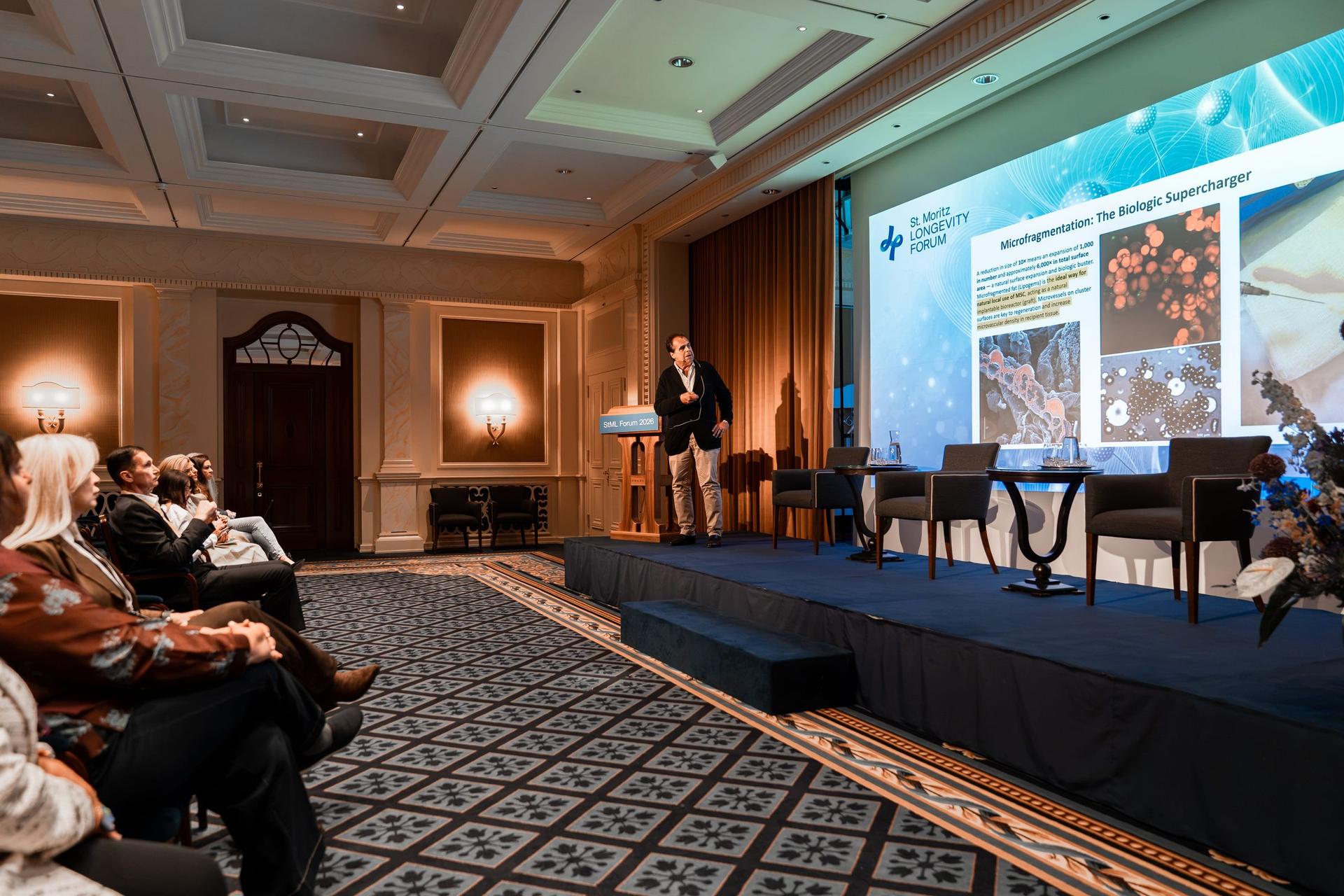
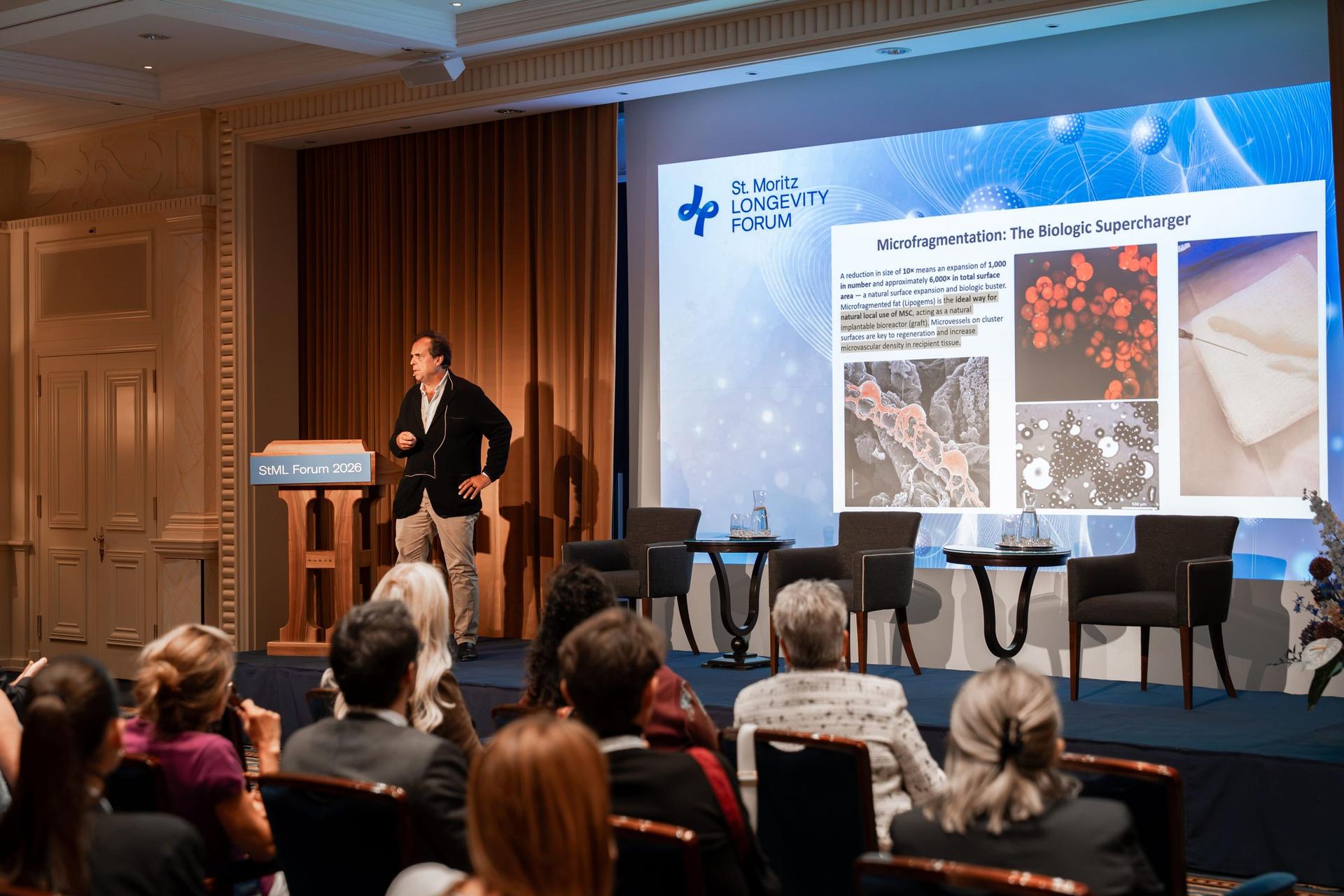
In regenerative medicine this pathway is particularly evident, because techniques that use the patient's tissue were born from clinical research and continue to evolve with it. Prof. Carlo Tremolada, scientific director of the clinic and holder of the Lipogems® patent, developed the method through case experience documented in literature, and the resulting position includes negative indications as well.
"Sagging breasts are not resolved with a prosthesis but require first a mastopexy procedure," he observes regarding one of the most frequent requests. This is the type of response worth more than a portfolio, because a professional who can indicate the limits of a technique demonstrates knowledge better than one who proposes it for every case.
The question that precedes all others remains. Who is the person facing the one choosing, what competencies can they demonstrate, and how were they built are information that a patient has the right to have, and a doctor the duty to provide clearly.
Frequently asked questions
Who can perform breast implant surgery in Italy?
For aesthetic purposes, Law 86 of 2012 requires specialization in plastic surgery, general surgery, gynecology and obstetrics, or thoracic surgery, or equivalent surgical activity performed in the five years preceding the law's entry into force. For reconstructive implantation and prosthesis removal, no restrictions by specialty branch are provided.
How do you verify a plastic surgeon's specialization?
Medical board registration and specialization credentials are verified at the provincial medical board, which maintains the registry of members. This is a verification anyone can perform and requires only a few minutes. The credential declared on a professional's website or social profiles should be considered information to confirm, not proof.
What questions should you ask at the first aesthetic surgery consultation?
The five that matter concern specialization and specific experience with the procedure, the frequency with which it is performed today, the reason it is indicated in your case with alternatives and risks, the devices used and their manufacturer, finally the location of the procedure and management of complications. A professional should answer these clearly.
Does the number of followers say anything about a surgeon's competence?
No. The ability to communicate and the ability to operate are distinct competencies, and the latter is evaluated on credentials, case experience, publications and facility quality. A curated online presence can help to know a professional and understand how they think, while verification of their preparation goes through the tools described above.
Content reviewed by the medical-scientific committee of IMAGE REGENERATIVE. The information provided is for educational purposes and does not replace specialized consultation.
Related Articles
 beauty
Breast Augmentation with Preservé Technique: How Does It Work?
Those who know me understand that I evaluate surgical innovations with caution. Before adopting one, I want to understand its rationale and concrete benefit for patients, not the promise that accompanies it.
 beauty
Reduce Thigh Circumference: How to Lose Centimeters?
Reduce thigh circumference with advanced techniques at IMAGE REGENERATIVE. Discover effective treatments for slimmer, more toned legs.
 beauty
Sagging Skin Under the Chin: What Can Be Done? Solutions and Remedies
Combat sagging skin under the chin with effective and safe solutions. Discover regenerative treatments for a younger, more toned appearance.
Want More Info?
If you need more information, call us at +39 02 76280736, message us on WhatsApp, email us at info.milano@imageregenerative.com, or use the form below.