
Regenerative Medicine
Gynecomastia: Causes, Symptoms and Corrective Surgery
It is a condition far more common than the silence surrounding it suggests. Many men live with it for years, adapting their wardrobe and avoiding the pool, before discussing it with a doctor.
At IMAGE REGENERATIVE, in Milano and St. Moritz, surgical correction of gynecomastia is an established procedure, but one that only makes sense after proper identification of the cause.
Let's examine what gynecomastia is, how true gynecomastia differs from false gynecomastia, what causes it, when it warrants further investigation, and how it is corrected.
What is gynecomastia in men
Gynecomastia is the enlargement of breast tissue in men, a common finding in the general population. The underlying mechanism involves the balance between two hormonal signals that act in opposite directions on the breast, as estrogens stimulate glandular tissue growth while androgens inhibit it. When this balance shifts, either through reduced androgenic action or increased estrogenic action, the gland responds by growing.
A review published in Nature Reviews Endocrinology frames the clinical picture well. Most cases are benign and have aesthetic rather than medical significance, but the condition can cause pain and local tenderness, and in a minority of situations it represents a sign of an underlying disease, a medication side effect, or a familial form.
The same authors note that male breast cancer is much less frequent than benign gynecomastia and that the two conditions are usually distinguished by a thorough physical examination.
This is why the consultation comes before any surgical discussion. An increase in male breast volume is a symptom, and the first task is to understand where it comes from.
True or false gynecomastia: gland or fat

The distinction between forms is not an academic subtlety, as it determines the surgical technique.
On palpation, true gynecomastia presents as a firm, well-defined nodule located immediately behind the areola, often tender to pressure. Pseudogynecomastia, on the other hand, is a diffuse adipose accumulation with a soft consistency, without an appreciable central core and generally painless.
Form | What is palpated | Recommended approach |
True gynecomastia | Firm retroareolar nodule, often tender | Gland excision via periareolar approach |
Pseudogynecomastia | Soft, diffuse tissue without core | Liposuction of adipose component |
Mixed form | Glandular core within adipose context | Combined technique, liposuction and excision |
The mixed form is the most common in practice, and explains why the most frequently performed procedure combines both techniques. The assessment is completed with breast ultrasound, which confirms the nature of the tissue, and with hormonal tests when the history or examination suggests an endocrine cause.
It is worth adding a point that reassures many patients. A chest that appears feminized in the presence of significant overweight is almost always pseudogynecomastia, and in that case the first useful intervention concerns body weight and not the operating room.
Causes of gynecomastia
The causes are grouped into fairly distinct families, and recognizing them guides the entire subsequent pathway:
- The pubertal form, related to intense hormonal activity during adolescence, which appears between twelve and seventeen years and in most boys regresses spontaneously within a couple of years.
- Forms induced by drugs and substances, including certain antiandrogens, spironolactone, certain antipsychotics, and anabolic steroids used in the gym, responsible for a significant proportion of cases in young adults.
- Endocrine conditions, from hypogonadism to hyperthyroidism to rare Leydig cell testicular tumors, which modify the ratio between circulating androgens and estrogens.
- Systemic diseases, particularly liver and kidney failure, which alter the metabolism and elimination of sex hormones.
- Overweight, which increases peripheral conversion of androgens to estrogens in adipose tissue and often combines with one of the previous conditions.
Finally, there is idiopathic gynecomastia, in which no cause is identified despite a complete assessment. It is a diagnosis of exclusion, entirely legitimate, which is made only after methodically excluding all other hypotheses, and never as an initial shortcut.
Symptoms: swelling and pain in the nipple
The presenting symptom is almost always visual, namely an increase in volume of one or both breasts, not infrequently asymmetric. Asymmetry concerns many patients, but it is a common finding in benign forms and does not in itself indicate anything alarming.
Alongside the volume often appears local symptomatology. Pain and tenderness to pressure are concentrated in the retroareolar region, are more marked in the initial phases, when the glandular component is in active growth, and tend to diminish when the tissue stabilizes and becomes more fibrous. Some men report a sensation of tension or burning, others discomfort from friction with clothing.
There is also a dimension that appears less in clinical literature and much more in consultation. The psychological impact is significant and translates into recognizable behaviors, from systematic choice of loose shirts to avoidance of changing rooms, sea, and pool, to discomfort in intimate relationships. In adolescents, these behaviors quickly consolidate into postural and social habits, and recognizing them is as much part of the clinical evaluation as palpation. In our team's experience, the question that truly opens the discussion concerns what the patient has stopped doing, because the answer measures the impact of the condition better than any measurement.
Gynecomastia: when to be concerned
The reassuring answer is that in the vast majority of cases it is a benign condition. This, however, does not authorize skipping the evaluation, as some elements require rapid investigation and are easily recognized.
- A hard swelling, fixed to deep planes and located laterally to the areola rather than behind it.
- Nipple discharge, especially if bloody or affecting only one side.
- Skin or nipple retraction, alterations in skin appearance, palpable lymph nodes in the axillary area.
- Rapid onset in adulthood, without weight changes and without new medications, or associated with general symptoms such as weight loss or marked fatigue.
Strictly unilateral volume increase always warrants examination, even though in most cases it will prove benign. Thorough physical examination, integrated with ultrasound, clarifies the picture in almost all situations, and knowing this reduces the anxiety with which many men postpone consultation for months.
Non-surgical solutions: when they are possible
There are situations where surgery is not the first answer, and they need to be recognized. The most important concerns adolescents, as pubertal gynecomastia regresses spontaneously in most boys within a couple of years. In that age group, the correct approach combines scheduled observation, reassurance, and attention to psychological experience.
The second situation concerns drug-induced forms. When the responsible agent is identifiable, discontinuation or replacement of the molecule, decided together with the prescribing physician, can lead to regression, more likely the earlier intervention occurs. The same applies to correction of an underlying endocrine condition, from hyperthyroidism to hypogonadism, where treatment of the cause comes before any aesthetic consideration.
In pseudogynecomastia associated with overweight, finally, nutritional pathway and physical activity genuinely modify the picture. It must be said clearly, however, that when glandular component is present and the tissue has already become fibrous, no weight loss reduces it, and persisting for years with diet alone means postponing a solution that at that point is surgical.
Corrective gynecomastia surgery
The procedure is performed in a single session and takes sixty to ninety minutes, with techniques chosen based on the form. In pseudogynecomastia, liposuction is used through accesses of a few millimeters, which reduces adipose volume and promotes skin retraction. In true gynecomastia, glandular tissue is excised with an incision along the lower border of the areola, a position that makes the scar barely recognizable when healed. The mixed form, the most common, combines both procedures.
Recovery involves wearing a compression garment for several weeks and suspension of intense physical activity during the same period. Profile improvement is visible immediately, while the final appearance is fully appreciated after three to six months, when swelling and fibrosis have resolved. Long-term result maintenance depends on weight stability and not resuming any responsible substances.
Complications are infrequent and largely manageable, and include hematoma, temporary asymmetries, and transient nipple sensitivity alterations. Thorough pre-operative evaluation, drainage when indicated, and adherence to post-operative instructions remain the best tools to minimize them.
Regarding timing in adolescents, Prof. Carlo Tremolada has a clear position, developed over a large number of cases. The psychological benefit for boys is often significant, and for this reason he suggests not waiting too long when the procedure is simple and can be resolved with liposuction alone, postponing to a later time, after puberty, evaluation of possible excess gland removal. This is a criterion that balances clinical prudence and the real weight this condition has in a boy's life.
Frequently asked questions
How long is recovery after surgery?
Return to daily activities and sedentary work generally occurs within a few days. The compression garment is worn for several weeks and intense sports activity resumes after about a month. The result is fully appreciated at three to six months, when postoperative swelling and fibrosis have resolved.
Can gynecomastia recur after surgery?
Removed glandular tissue does not reform. Recurrence of the initial appearance is possible if a causative substance is resumed, particularly anabolic steroids, or in case of significant weight gain, which increases the residual adipose component. Weight stability therefore remains part of the result.
Can gynecomastia be corrected without surgery?
It depends on the form and age. In overweight-related pseudogynecomastia, nutritional pathway is effective, in pubertal form observation is often sufficient, and in drug-induced forms discontinuation of the responsible molecule may suffice. When established glandular component exists, however, correction is surgical.
At what age is surgery advisable?
Surgery is performed from eighteen years onwards and for adults there is no upper limit, provided general conditions allow. In adolescents, the choice is evaluated case by case, considering the probability of spontaneous regression and psychological impact, which in that age group weighs heavily in the decision.
Content reviewed by the IMAGE REGENERATIVE medical-scientific committee. The information provided is for informational purposes and does not replace specialist consultation.
Related Articles
 regenerative-medicine
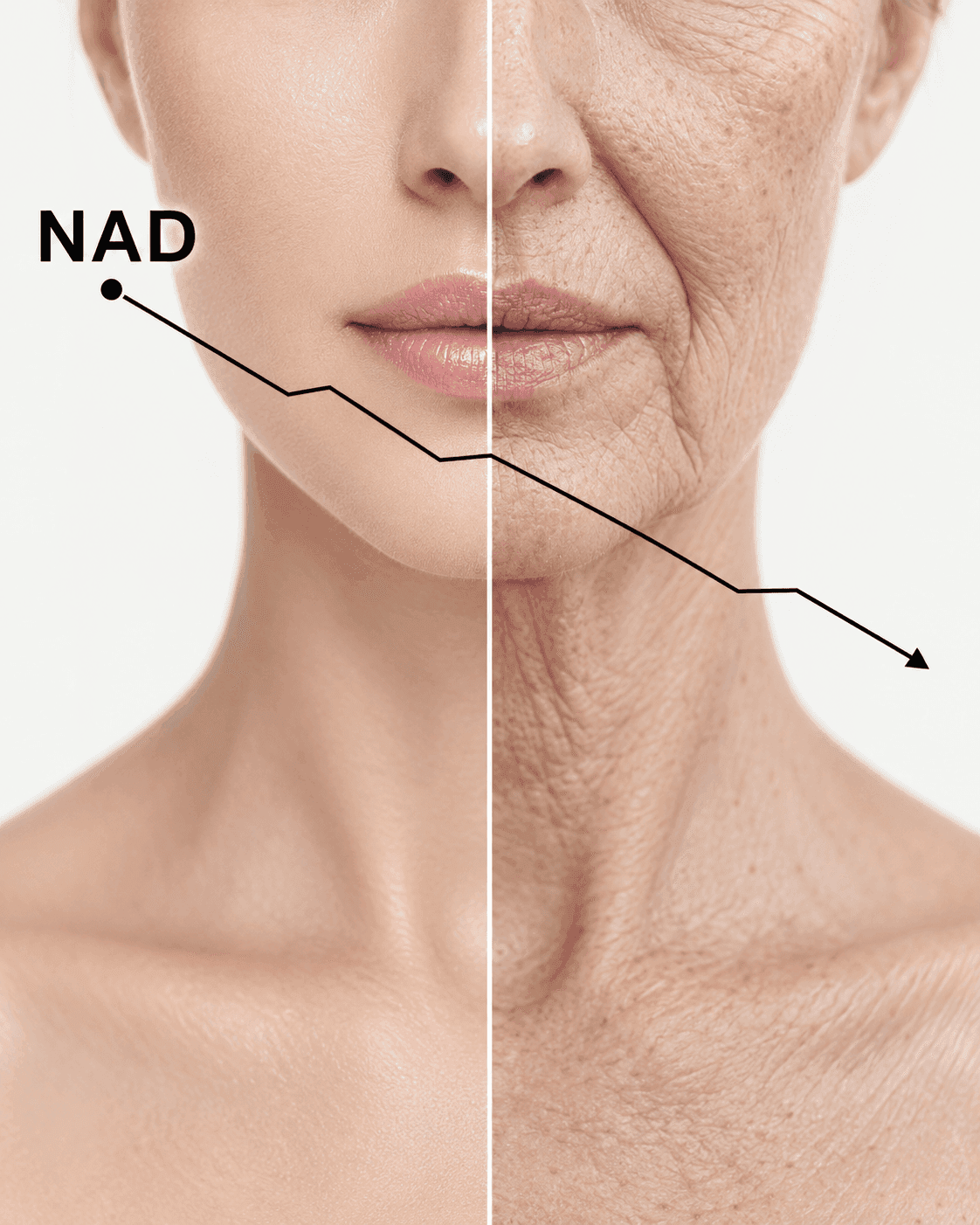
Décolleté Rejuvenation: How to Care for Neck and Chest
Décolleté rejuvenation: how to care for neck and chest, from neck wrinkles to Venus rings. Treatments, fillers and biostimulation for the skin.
 regenerative-medicine
 regenerative-medicine
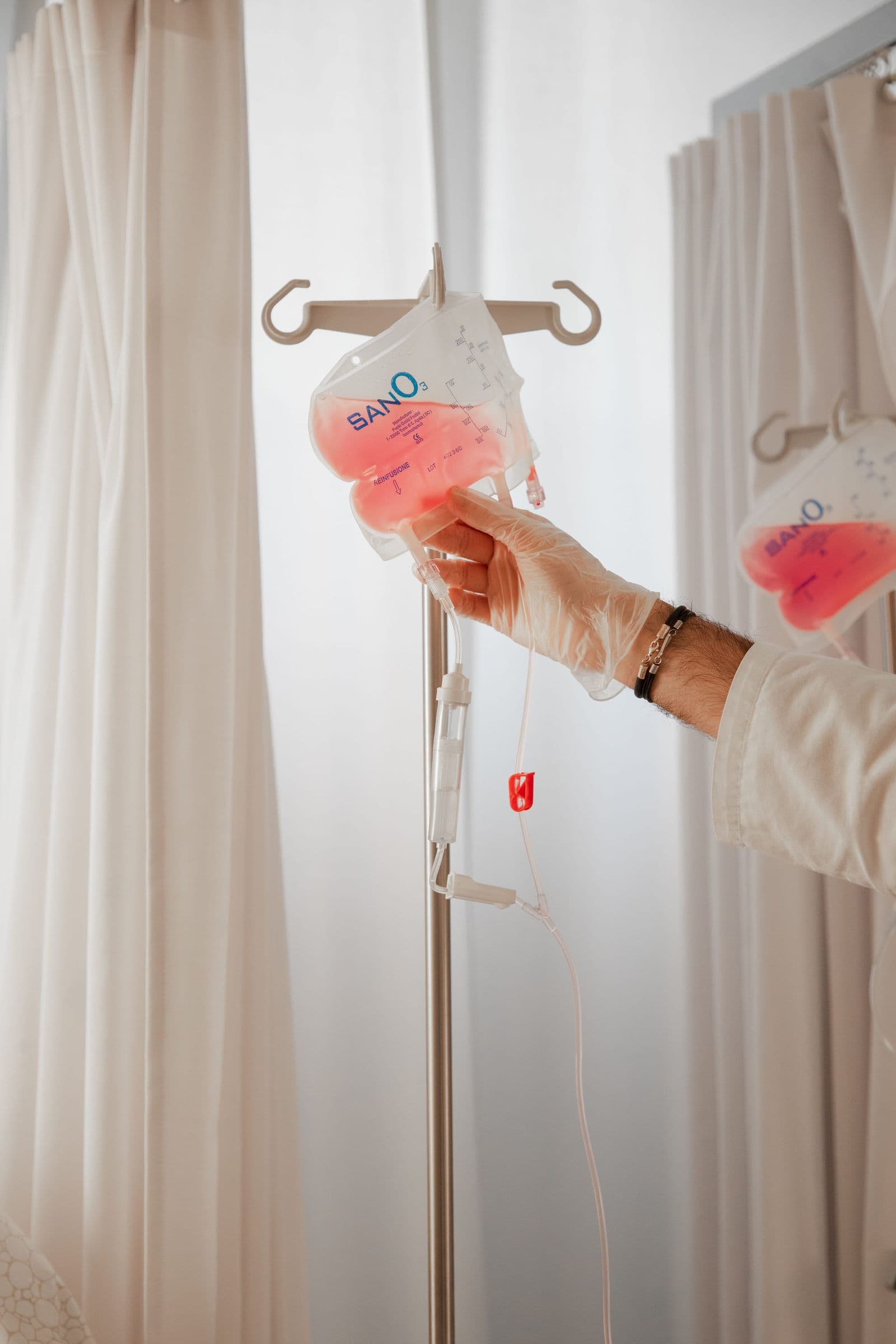
Oxygen Ozone Therapy: What Is It? What Are the Benefits?
Oxygen ozone therapy: what it is, what it's for, and what benefits it offers for herniated discs and back pain. How it works, costs, coverage, and contraindications.
Want More Info?
If you need more information, call us at +39 02 76280736, message us on WhatsApp, email us at info.milano@imageregenerative.com, or use the form below.