Regenerative Medicine
Reading time: 5 minutes
Hair Loss: Causes, Symptoms and Remedies
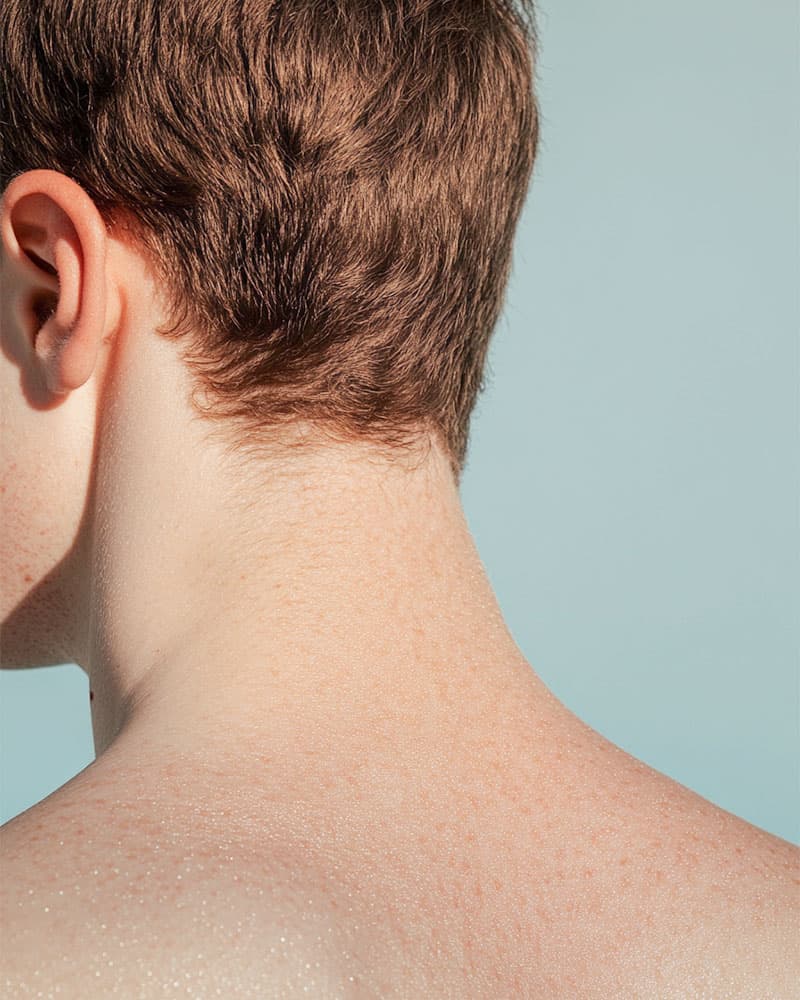
Addressing hair thinning requires a deep understanding of the biological dynamics that regulate the follicle life cycle.
At IMAGE REGENERATIVE, we offer a cutting-edge scientific approach to alopecia and hair loss treatment, focusing on scalp health through personalized protocols.
Our primary goal is to promote improved hair quality by acting directly on mesenchymal stem cells, surpassing the limitations of traditional cosmetic lotions.
Thanks to the expertise of Professor Carlo Tremolada, our facility offers solutions that integrate regenerative medicine to stimulate the vitality of still-active follicles, providing concrete support to those wishing to preserve hair density.
Common Causes of Hair Loss
Baldness does not depend on a single factor, but often derives from a complex interplay of genetic predisposition and physiological imbalances. Androgenetic alopecia represents the most common cause, influenced by the action of testosterone derivatives that, over time, lead to hair miniaturization. However, there are other determining conditions such as hormonal fluctuations typical of postpartum or menopause, in addition to thyroid dysfunctions that can alter the normal growth rhythm.
Nutritional deficiencies also play a crucial role: lack of iron, zinc or B vitamins weakens the keratin structure. Prolonged psychophysical stress can instead trigger telogen effluvium, a condition in which a high number of hairs prematurely enter the shedding phase. Identifying the exact origin allows for precise intervention, avoiding wasting energy on generic products that neglect the biological root of the problem.
Initial Symptoms and Warning Signs of Hair Loss
Promptly recognizing the signals sent by the body is essential to preserve the follicular heritage. A first evident indicator consists in the change in hair shaft consistency: hair appears thinner, less elastic and lacking volume. Often this phenomenon is accompanied by greater visibility of the scalp, especially in the vertex area or along the center part, a sign that thinning is progressing.
Another warning sign concerns the amount of hair remaining on the brush or pillow, exceeding physiological daily loss. Attention must also be paid to scalp health: the presence of persistent itching, excess sebum or desquamation may indicate an inflammatory state that damages the environment in which hair grows. These symptoms usually precede the appearance of localized bald areas, making immediate professional evaluation essential.
Diagnosis: When to Consult a Doctor
Consultation with a specialist becomes essential when hair loss appears sudden, abundant or localized in circular patches. An expert physician in regenerative medicine performs an accurate analysis through trichoscopy, a non-invasive examination that allows microscopic observation of follicle condition and hair density. This diagnostic step serves to distinguish between temporary hair loss and a chronic pathology requiring structured interventions.
During the visit, the patient's medical history and blood tests are also evaluated to rule out anemias, hormonal imbalances or autoimmune diseases. Ignoring the signals or relying on do-it-yourself solutions can lead to irreversible loss of hair follicles. Modern medicine suggests intervening as soon as a variation in hair quality is noticed, since tissue regeneration capacity is maximum in the initial stages of thinning.
Remedies and Lifestyle to Combat Baldness
A balanced lifestyle acts as a fundamental pillar to support medical treatments. Nutrition must provide essential amino acids, such as cystine and methionine, necessary for keratin synthesis. Integrating foods rich in antioxidants helps combat oxidative stress that accelerates cellular aging of follicles.
It is equally important to reduce exposure to aggressive chemical treatments and excessive heat, which can damage the external cuticle. Stress management through physical activity or relaxation techniques helps maintain correct cortisol levels, a hormone that when elevated negatively interferes with the hair cycle. Although these habits are necessary, alone they rarely solve a manifest baldness problem, making integration with targeted regenerative protocols indispensable.
Category | Influence Factor | Impact on Hair |
Nutrition | Zinc and Biotin | Strength and structure of the shaft |
Hormones | Dihydrotestosterone (DHT) | Follicle miniaturization |
Stress | High cortisol | Premature entry into telogen phase |
Environment | UV Rays and Pollution | Weakening of the hair fiber |
Regenerative Medical Treatments at IMAGE Institute
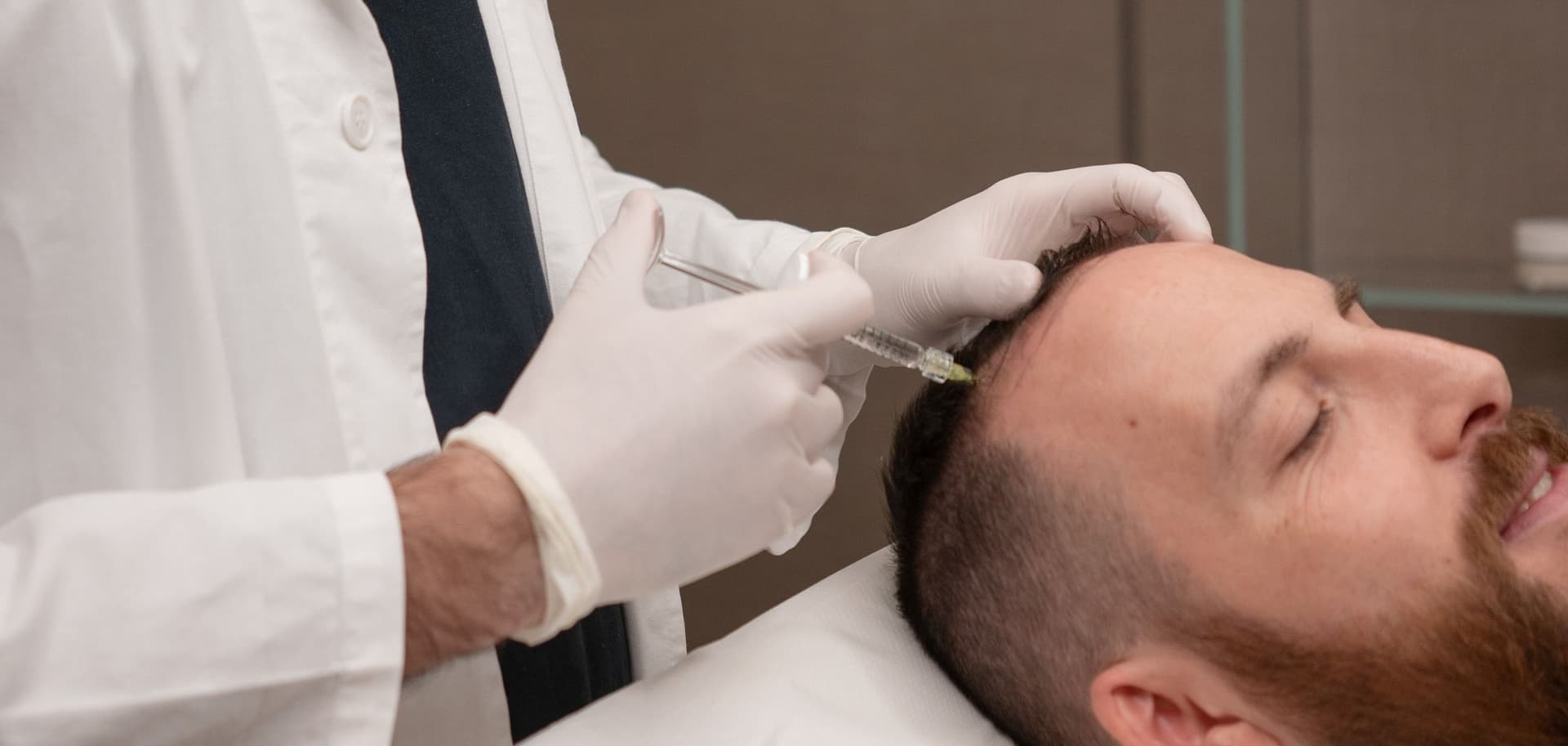
While traditional solutions are often limited to providing superficial nutrients, IMAGE REGENERATIVE adopts Lipogems® technology to address the problem at its root. This patented method harnesses the reparative potential of the patient's autologous adipose tissue, harvested in small quantities and processed to preserve intact vasculo-stromal niches. The obtained preparation is infiltrated into the scalp, where it releases growth factors and cytokines that stimulate angiogenesis and reactivate dormant follicles.
In addition to Lipogems®, we use protocols such as hair filler strengthening hair treatment, which involves the injection of biomimetic peptides and hyaluronic acid to deeply hydrate the scalp and improve microcirculation. This integrated approach differs from old treatments because it does not simply treat the symptom, but promotes true biological tissue regeneration, visibly improving hair thickness and density in a natural and lasting way.
Success Stories: Testimonials from Satisfied Patients
The results obtained at our clinic confirm the effectiveness of regenerative medicine in combating thinning. Many patients report a significant halt in hair loss after the first sessions of personalized protocols. An emblematic case concerns a young man with initial androgenetic alopecia who, thanks to the application of Lipogems® technology, observed an increase in density and a reinvigoration of existing hair, avoiding recourse to surgical transplantation.
Many women affected by chronic telogen effluvium have also regained confidence thanks to the combination of biostimulation and correction of micro-environmental imbalances of the scalp. Testimonials highlight not only an aesthetic improvement, but a profound psychological benefit related to regaining healthy and vital hair. These successes are the result of precise diagnosis and rigorous application of the most recent discoveries in the field of regenerative medicine.
FAQ - Frequently Asked Questions
How to understand the cause of hair loss?
Accurate diagnosis requires a specialist visit with trichoscopic examination. This allows evaluation of follicle morphology, scalp condition and distinction between genetic, hormonal or deficiency causes through specific clinical analyses.
When is hair loss concerning?
The phenomenon becomes concerning if the loss exceeds 100 hairs per day for a prolonged period, if visible thinning is noticed in the frontal areas or on the vertex, or if the scalp presents redness and intense itching.
What is missing in the body when hair falls out?
Often a deficiency of iron (low ferritin), zinc, magnesium or B and D vitamins is found. These elements are essential for the cellular metabolism of the follicle and their absence compromises its growth phase.
How to recognize stress-related hair loss?
Stress-related hair loss, or telogen effluvium, usually manifests with diffuse and intense loss over the entire head, which occurs several months after a traumatic event or a period of strong psychophysical tension.
Related Articles
 regenerative-medicine
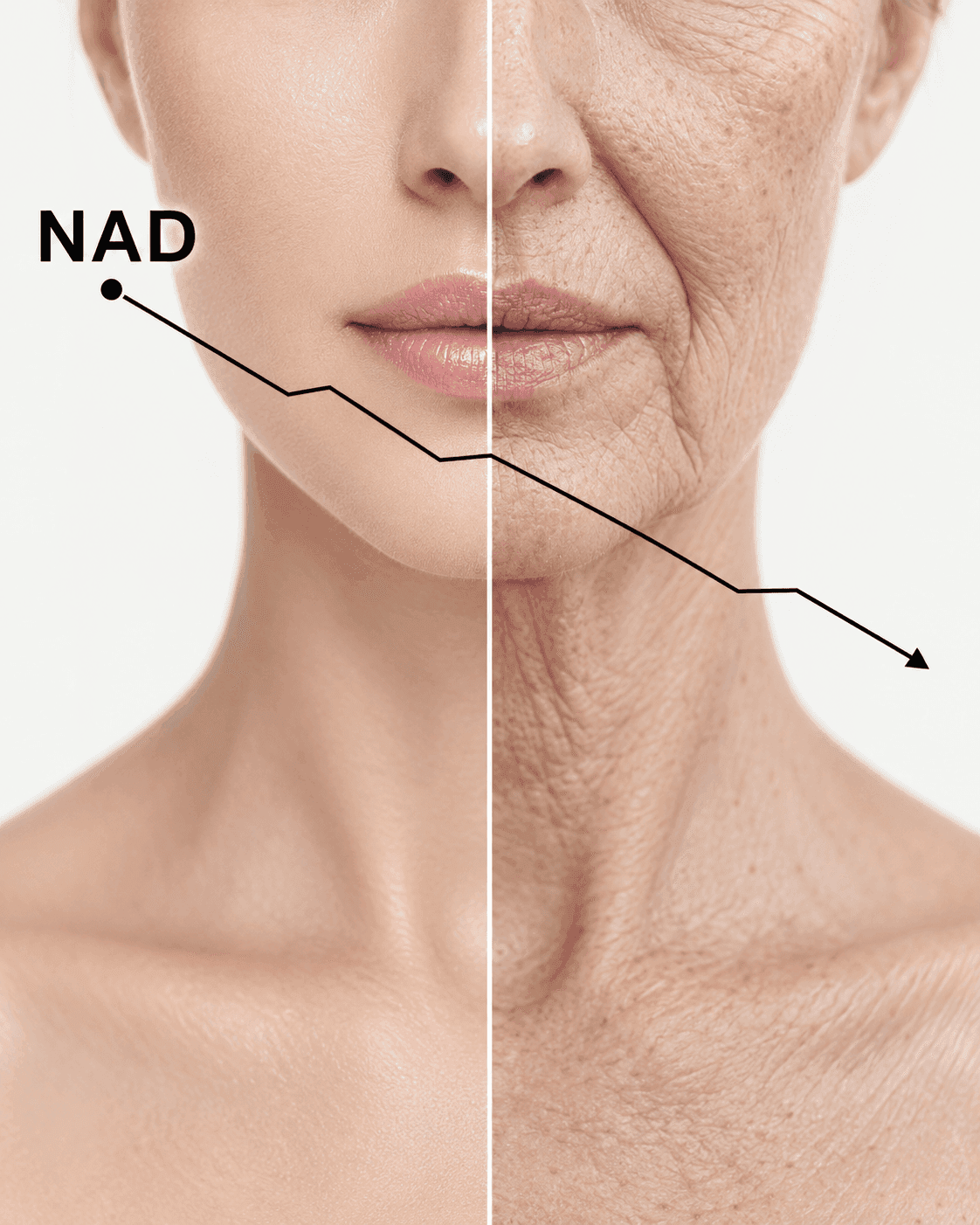
Décolleté Rejuvenation: How to Care for Neck and Chest
Décolleté rejuvenation: how to care for neck and chest, from neck wrinkles to Venus rings. Treatments, fillers and biostimulation for the skin.
 regenerative-medicine
 regenerative-medicine
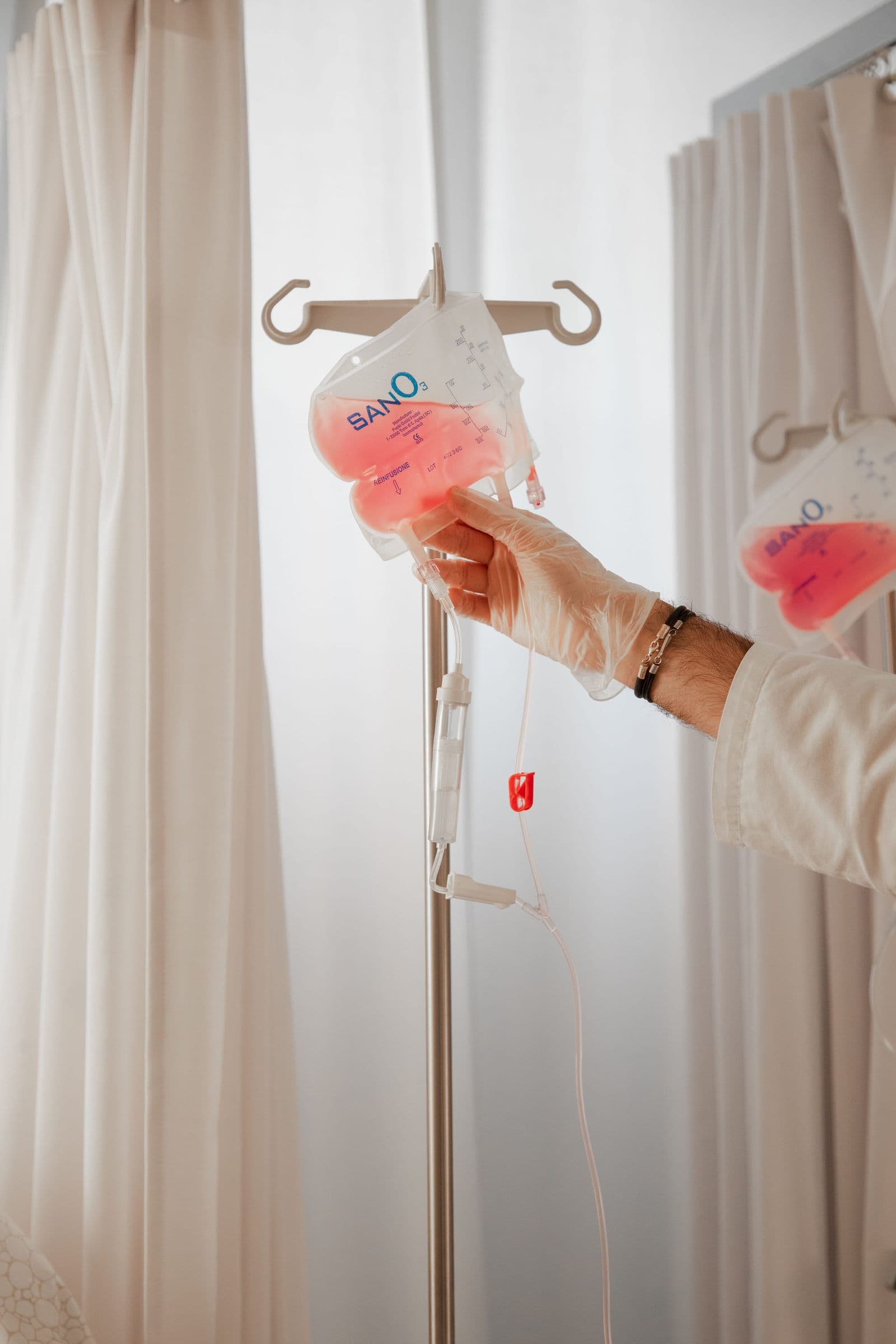
Oxygen Ozone Therapy: What Is It? What Are the Benefits?
Oxygen ozone therapy: what it is, what it's for, and what benefits it offers for herniated discs and back pain. How it works, costs, coverage, and contraindications.
Want More Info?
If you need more information, call us at +39 02 76280736, message us on WhatsApp, email us at info.milano@imageregenerative.com, or use the form below.