
Regenerative Medicine
Reading time: 4 minutes
Knee Cartilage Reconstruction: What It Is and How It Works
The knee represents one of the most complex and stressed joints in the human body, acting as a sophisticated natural shock absorber.
At IMAGE REGENERATIVE, we are dedicated to treating joint pathologies through an approach that favors biology over replacement mechanics. Many people suffering from chronic pain seek solutions for post-injury recovery with regenerative techniques to postpone or avoid major surgical interventions.
Thanks to Professor Carlo Tremolada's vision, we have introduced cutting-edge protocols based on orthopedic Lipogems®, a patented technology that harnesses the potential of the patient's own adipose tissue to stimulate tissue repair processes and improve joint function.
What is knee cartilage and why is it essential for mobility?
Articular cartilage is an elastic and resistant connective tissue, devoid of blood vessels and nerves, that covers the bone extremities inside the knee. Its primary function is to facilitate smooth gliding between femur and tibia, reducing friction during movement and distributing loads during daily activities such as walking, running, or climbing stairs. Since this tissue lacks spontaneous self-regeneration capacity due to the absence of direct blood supply, every lesion or degenerative process tends to progress over time.
Maintaining cartilage integrity means preserving mobility and preventing the onset of chronic inflammation that can seriously compromise quality of life.
Common causes of knee cartilage damage
Deterioration of the articular surface can result from multiple factors acting individually or in combination. Acute trauma, typical among athletes, often causes focal cartilage lesions due to violent impacts or improper twisting. Then there is progressive wear related to aging, known as osteoarthritis, where the protective layer gradually thins.
Factors such as excess weight exert excessive mechanical pressure on articular surfaces, accelerating degradative processes. Axial deviations of the limb, such as varus or valgus knee, also determine unbalanced loading that prematurely wears specific areas of cartilage, leading to premature loss of movement fluidity.
Symptoms of cartilage deterioration
Recognizing early signs of knee distress is essential for successful intervention. The main symptom is pain, which initially appears only under stress but, as the lesion progresses, can manifest even at rest. Patients often report a sensation of morning stiffness or after long periods of inactivity, which slightly improves with movement.
Joint swelling, due to the accumulation of synovial fluid in response to inflammation, is another common indicator. In some cases, joint noises may be felt, similar to cracking or sudden mechanical blocks, signaling the presence of cartilage fragments or an irregular bone surface that is no longer protected.
Traditional treatment methods and their limitations
For years, the standard approach to cartilage problems has involved the use of conservative therapies such as hyaluronic acid injections. Although these may offer temporary relief by lubricating the joint, they act exclusively on the symptom and not on tissue regeneration. Hyaluronic acid is absorbed by the body in a short time, requiring repeated cycles without ever resolving the structural cause of the damage.
Other classic options include the use of anti-inflammatory drugs or, in the most serious cases, surgical intervention for prosthesis insertion. However, prosthetic surgery is an invasive operation with long recovery times and the need, over time, for possible mechanical revisions.
Regenerative technology for joints
As an alternative to symptomatic treatments that last a short time, IMAGE REGENERATIVE offers excellence in regenerative medicine. The core of our intervention is the Lipogems® system, a technology that allows harvesting a small amount of adipose tissue from the patient, processing it in a minimally invasive way, and reinserting it into the damaged joint.
Adipose tissue is an incredible source of mesenchymal stem cells and pericytes, which possess a natural ability to reduce inflammation and promote an ideal biochemical environment for cartilage stability.
Unlike traditional injections, this approach aims to preserve the original joint, exploiting the body's biological capabilities to improve natural lubrication and tissue health.

Characteristic | Traditional Injections (Hyaluronic Acid) | Regenerative Medicine (Lipogems®) |
Mechanism of action | Temporary symptomatic lubrication | Tissue microenvironment regeneration |
Origin of substance | Synthetic or bio-fermentative | Autologous (patient's own tissue) |
Duration of effect | Limited to a few months | Long-lasting and biological results |
Main objective | Momentary friction reduction | Regeneration and joint preservation |
The cartilage reconstruction process: what to expect
The intervention with Lipogems® technology is performed in a day hospital setting and lasts approximately one hour.
The procedure begins with a mini-harvest of adipose tissue, usually from the abdomen or flanks, performed under local anesthesia. The harvested fat is then instantly processed through a closed-circuit system that fragments and purifies it from oily and inflammatory residues, keeping vascular niches and regenerative cells intact.
Subsequently, the obtained product is injected with surgical precision inside the knee.
Since exclusively autologous material is used, the risk of rejection is non-existent and the body immediately recognizes the tissue as its own, initiating the joint compartment stabilization process.
Recovery and expected results
The post-treatment pathway is significantly faster compared to traditional surgery. The patient can usually walk independently shortly after the procedure, although a period of relative rest is recommended for the first days to allow the injected tissue to stabilize.
Benefits begin to manifest in the following weeks, with a progressive reduction in pain and an increase in movement fluidity. Regenerative medicine offers not only symptomatic relief, but works deeply to delay or avoid entirely the need for a prosthesis.
Patients gradually return to their daily and sports activities with a joint that responds more elastically and less inflamed to mechanical stimuli.
FAQ - Frequently Asked Questions
How is knee cartilage reconstructed?
Biological regeneration occurs through infiltration of the patient's micro-fragmented adipose tissue. This tissue acts as a natural scaffold that releases growth factors and cells with regenerative capabilities, improving the health status of existing cartilage and reducing chronic inflammation.
How long does a knee cartilage intervention last?
The regenerative procedure with the Lipogems® method is quick and generally concludes within sixty minutes. Being performed under local anesthesia and in an outpatient setting, it allows the patient to return home the same day, avoiding the long hospitalizations typical of classic orthopedic interventions.
What are the new techniques for knee cartilage?
The most advanced techniques concern autologous regenerative medicine. In addition to Lipogems®, which represents excellence in terms of obtained tissue quality, there are protocols that integrate targeted bio-stimulations to optimize the joint microenvironment and preserve the original anatomy of the knee without the use of artificial components.
What should be done when knee cartilage is missing?
When cartilage is seriously worn, it is essential to act promptly to protect the underlying bone. Instead of limiting oneself to temporary lubricants, the regenerative approach allows stabilizing the joint, drastically reducing pain and improving mobility, representing a valid alternative to prosthetic replacement.
Related Articles
 regenerative-medicine
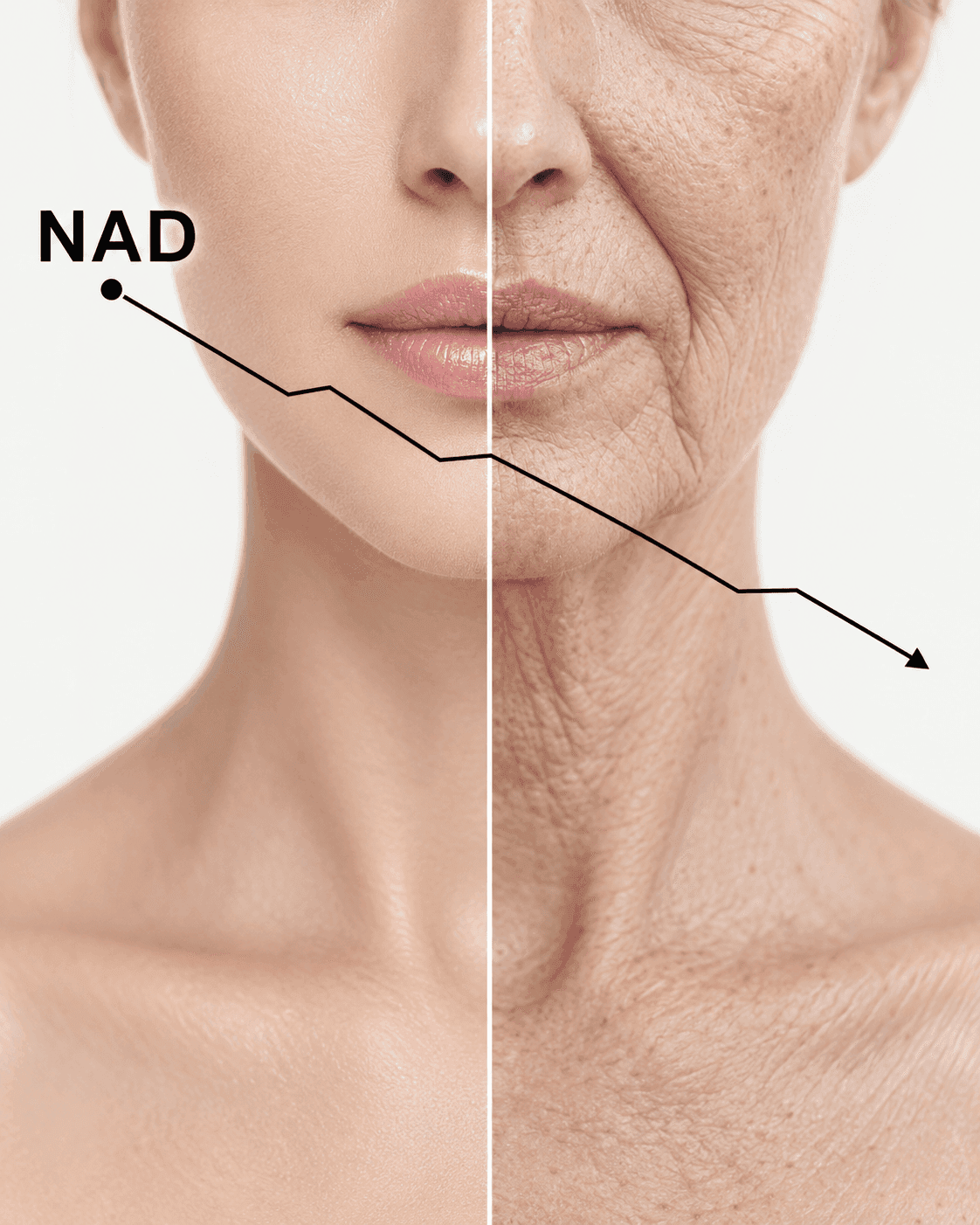
Décolleté Rejuvenation: How to Care for Neck and Chest
Décolleté rejuvenation: how to care for neck and chest, from neck wrinkles to Venus rings. Treatments, fillers and biostimulation for the skin.
 regenerative-medicine
 regenerative-medicine
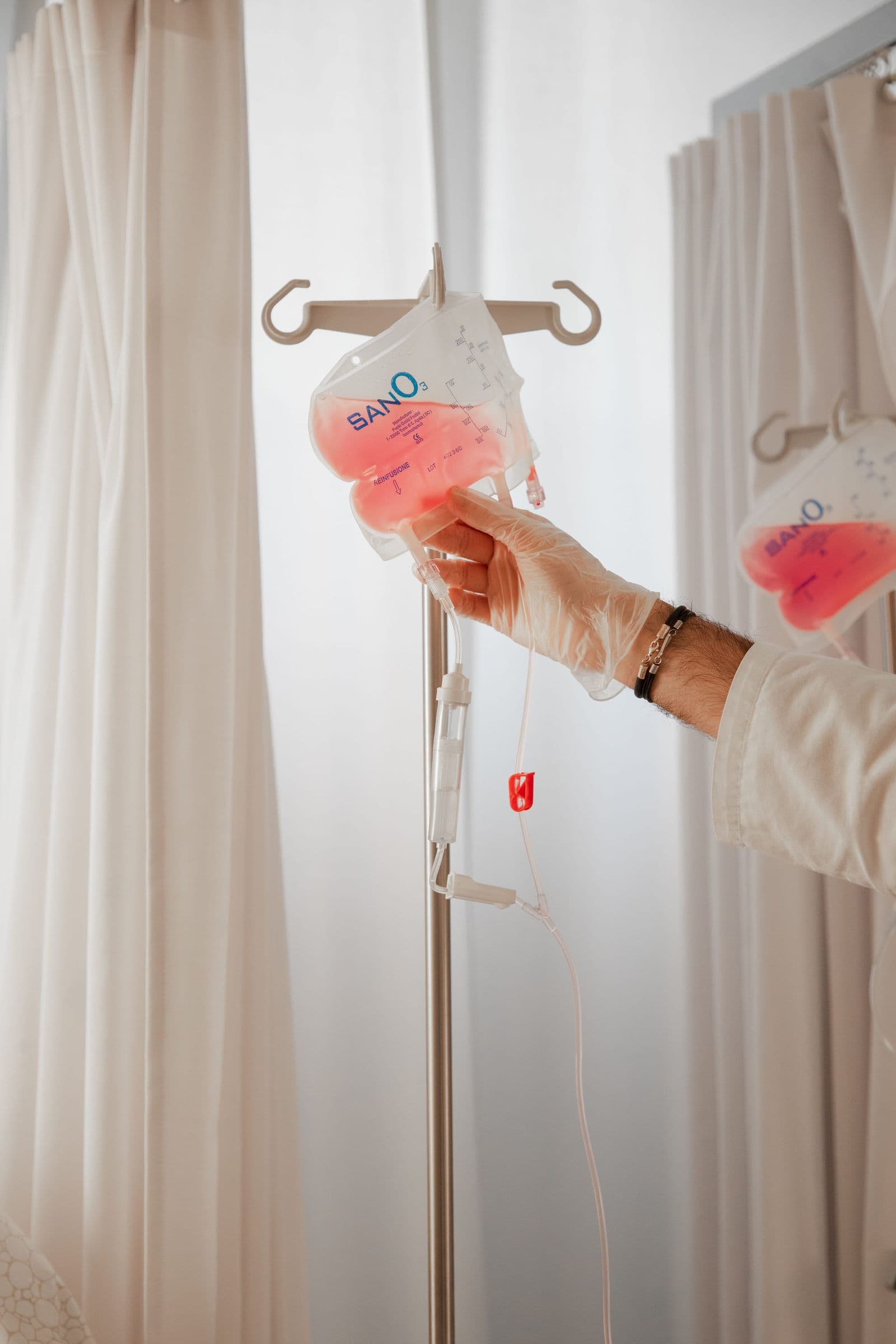
Oxygen Ozone Therapy: What Is It? What Are the Benefits?
Oxygen ozone therapy: what it is, what it's for, and what benefits it offers for herniated discs and back pain. How it works, costs, coverage, and contraindications.
Want More Info?
If you need more information, call us at +39 02 76280736, message us on WhatsApp, email us at info.milano@imageregenerative.com, or use the form below.