
Regenerative Medicine
Longevity, Anti-Aging and Biohacking: What They Really Mean
These are three words that appear together in every health conversation and are used as synonyms, while they indicate different things: different objectives, different methods and above all very different levels of scientific verification.
At Image Regenerative, in our Milano and St. Moritz locations, the longevity medicine programs also arise from the need to bring order to this vocabulary, because what you call something determines what you ask of it.
Clarifying the differences serves a concrete decision, namely understanding what you are choosing when you purchase a program, device or supplement, and above all who is responsible for the result.
Longevity, Anti-Aging and Biohacking: The Differences
Longevity medicine is a preventive medical discipline. Its object is the extension of years lived in good health, and its method involves in-depth diagnostics, personalized intervention and follow-up that verifies whether that intervention is working. The responsibility for the program remains with a physician.
Anti-aging originates in a different context, more commercial than clinical, and its object is the signs of aging, particularly the visible ones. It is a label that covers very heterogeneous practices, from serious aesthetic medicine to the promise of reversing time, and its quality depends entirely on who uses it.
Biohacking, finally, is a self-managed practice. Those who adopt it experiment on themselves with combinations of nutrition, technology, exposure to physical agents and supplementation, measuring the effects with personal devices. The objective is the optimization of energy, clarity and recovery, and the responsibility for the choice falls on the person themselves.
Term | Stated Objective | Method | Who is Responsible for the Result |
Longevity medicine | Increase years lived in good health | Precision diagnostics, personalized plan, follow-up | The physician, within a clinical program |
Anti-aging | Counter the signs of aging | Targeted treatments, often predominantly aesthetic | The professional performing the treatment |
Biohacking | Optimize energy, performance and recovery | Self-experimentation and monitoring with devices | The person themselves, independently |
What is Longevity Medicine
The distinction from which the entire discipline begins is that between lifespan and healthspan. Extending life expectancy without intervening on the quality of those years means extending the period of frailty, while the objective of longevity medicine is to compress that window, postponing the onset of chronic diseases as far as possible.
The scientific premise is that aging has identifiable and partly modifiable mechanisms, including cellular senescence, mitochondrial dysfunction, low-grade chronic inflammation, altered cell communication and loss of muscle mass. Each of these processes is measurable and each responds, to varying degrees, to targeted interventions.
The method follows accordingly. It starts with a precision assessment, which collects blood biomarkers, metabolic and hormonal profile, body composition, strength and balance parameters and sleep quality. From that snapshot, a plan is built that combines nutrition, exercise, stress management and, where indicated, medical support. The step that truly distinguishes a serious program is the last one, where measurements are repeated after months to verify whether the parameters have moved in the expected direction and to adjust course. An initial strategic consultation serves precisely to establish which indicators make sense to start with in the individual case.
Anti-Aging: The Medicine That Slows Aging
The term anti-aging has had enormous commercial success and precisely for this reason must be handled with caution. Taken literally, it promises opposition to aging, which no therapy currently available can deliver. Used correctly, it instead indicates a set of interventions that slow specific processes and improve tissue quality.
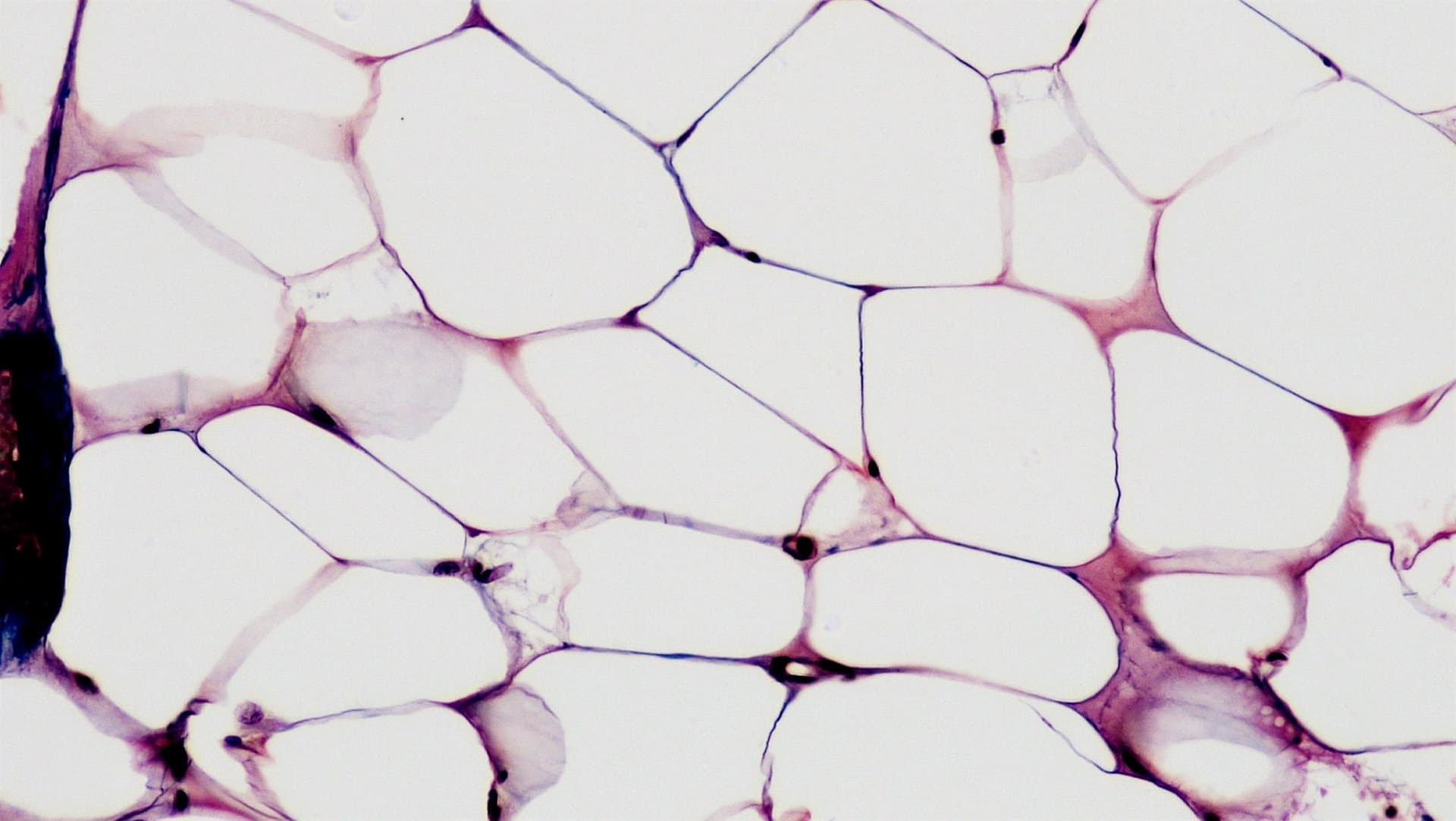
The area where the term has a precise clinical meaning is that of aesthetic and regenerative medicine applied to skin and supporting tissue quality. Stimulating collagen production, improving dermal vascularization, supporting repair with autologous tissue are concrete, measurable and achievable objectives. This includes biostimulation, laser technologies and regenerative protocols with micro-fragmented adipose tissue.
The problematic area begins where language exceeds the result. Expressions like reversal of biological age or guaranteed cellular rejuvenation describe something that current literature does not support, and their presence in health communication is a warning sign rather than a sign of competence. The difference between slowing and reversing seems like a lexical nuance, while it concerns exactly what a person can expect to achieve.
It is worth adding that the term also has a boundary problem. In most cases it is applied to interventions that act on appearance, while the aging that matters in terms of health occurs in vessels, muscle, metabolism and the nervous system. A program that works only on the surface can restore a fresher face without changing anything that determines how one will be in ten years. These are both legitimate objectives, as long as you know which one you are pursuing.
Biohacking: Optimizing Body and Mind

The practices that make up the biohacking repertoire are numerous, but those with the most solid scientific support can be counted on one hand:
· Sleep optimization, the lever with the best ratio between evidence and effort required, because deep phase governs tissue repair, memory consolidation and hormonal regulation.
· Management of feeding windows, from intermittent fasting to reduction of evening glycemic load, with documented effects on metabolic flexibility and cellular renewal processes.
· Controlled exposure to cold and heat, which modulates inflammatory response and improves recovery times after intense training.
· Continuous monitoring with wearable devices, useful for making visible heart rate variability, sleep quality and accumulated training load.
Around this core extends a much larger and much less solid area, made of high-dose supplementation, protocols copied from influencers and devices with generous promises. The main risk, in this case, concerns less ineffectiveness and more safety. A biometric data read without clinical context leads to wrong decisions, because body composition varies with hydration and hormonal phase, and heart variability is affected by occasional factors. Some interventions, moreover, have real contraindications, because therapies with light and heat require caution in pregnancy and in the presence of oncological history, while intravenous infusions must be performed under medical supervision. Work on breathing and biohacking techniques yields the best results precisely when it enters a guided program.
What They Have in Common and What Distinguishes Them
The three approaches share more than the contrast suggests. They all start from the premise that aging is partly modifiable, all recognize sleep, nutrition, movement and stress management as having a weight greater than any treatment, and all use data to guide choices. In practice, many recommendations of a longevity program and many biohacking practices coincide.
The difference lies elsewhere, and concerns three elements. The first is the presence of a clinical evaluation that precedes the intervention, because a medical program starts from a diagnosis, while a self-managed protocol starts from an objective. The second is personalization based on tests, which distinguishes a plan built on that person's values from a one-size-fits-all scheme. The third is risk management, which includes contraindications, interactions with ongoing therapies and pre-existing conditions.
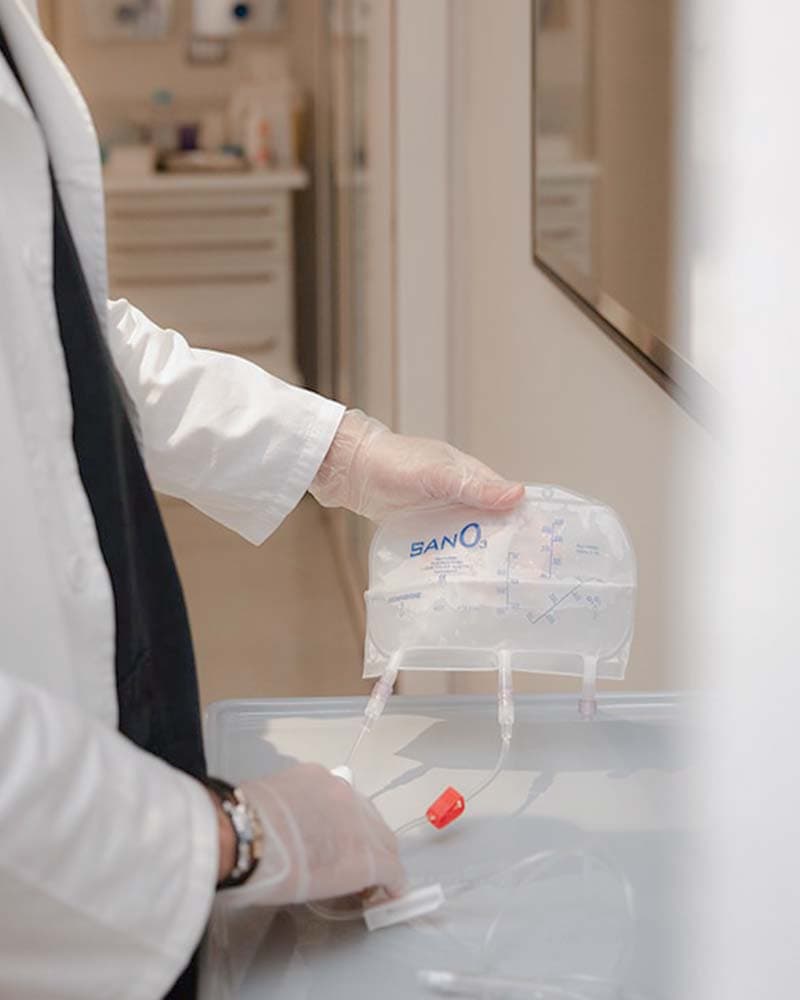
An example makes the concept concrete. Intravenous NAD+ therapy regularly appears in biohacking lists, but in clinical practice requires a reported electrocardiogram, an evaluation of kidney and liver function, a controlled infusion rate and the presence of healthcare personnel. The same molecule, therefore, changes nature depending on the context in which it is administered.
There is finally a difference in time horizon that is rarely made explicit. Biohacking works on short cycles and on indicators that move in days or weeks, such as overnight recovery or energy perception. Longevity medicine thinks in years, and accepts that many of its results are invisible in the short term because they consist of events that do not happen. The two measurement scales answer different questions and must be kept distinct even when the tools coincide.
Science or Fashion? How to Navigate
Distinguishing a serious program from a marketing operation is simpler than it seems, if you look at five things. The first is who signs the program, with name, specialization and registration with the professional order immediately verifiable. The second is the starting point, and a program that begins with a measurement is different from a package identical for anyone who buys it.
The third concerns the language of limits. A reliable professional also says what the program cannot deliver, which evidence is solid and which is still preliminary, in which cases it is advisable to turn to another specialist. The total absence of declared limits is the most reliable signal that one has left clinical ground.
The fourth is verification, and if an intervention promises to modify a parameter, that parameter must be re-measured over time. The fifth concerns numbers, and improvement percentages presented as certain, result guarantees and exclusivity formulas belong to the advertising register, not the healthcare one.
On where the boundary between experimental practice and established medicine lies today, we have collected elsewhere a more extensive reading, dedicated to new frontiers of longevity beyond biohacking.
The basic criterion remains the proportion between promise and proof. Longevity medicine is a young science, with consolidated areas and areas still open, and precisely for this reason the best way to navigate is to start with an assessment that returns real data on one's state of health, before choosing any treatment.
Frequently Asked Questions
Are Longevity and Anti-Aging the Same Thing?
No. Longevity medicine is a preventive discipline that works on years lived in good health, with diagnostics, personalized plan and verification of results. Anti-aging is a more commercial label, centered on signs of aging and predominantly on aesthetic appearance.
Is Biohacking Safe?
It depends on the practice and context. Sleep, nutrition, exercise and controlled cold exposure have a low risk profile. High-dose supplementation, light or heat therapies and intravenous infusions instead require a preventive medical evaluation, because real contraindications exist.
What is Biological Age?
It is an estimate of the functional state of the organism, derived from the set of biomarkers, body composition and functional parameters. Unlike chronological age it can move in both directions, and for this reason it is used as a program indicator rather than a diagnosis.
Where Do You Start?
From measurement. An initial evaluation that collects blood tests, metabolic profile, body composition and strength parameters allows you to establish which processes are already in motion and which ones make sense to intervene on first, avoiding purchasing treatments before knowing if they are needed.

Interested in this treatment?
Precision Health Assessment
Interested in this treatment?
Precision Health Assessment
Interested in this treatment?
Breathing and Biohacking
Interested in this treatment?
Breathing and Biohacking
Interested in this treatment?
NAD+ IV Therapy
Interested in this treatment?
NAD+ IV Therapy
Related Articles
 regenerative-medicine
Intravenous NAD+ Therapy: What It Is and What It's For
Intravenous NAD+ therapy: what it is, what it's for, and the benefits for energy and anti-aging. How the session works, differences with supplements, and side effects.
 regenerative-medicine
Deflated Breasts After Breastfeeding: Causes and Solutions
Deflated breasts after breastfeeding: causes and solutions, from exercises to firm the breasts to medical solutions like mastopexy and lipofilling. Complete guide.
 regenerative-medicine
Lipogems and Private Insurance: costs and reimbursements
Lipogems and private insurance: how much it costs, whether it's covered by the NHS, and how reimbursement works. Requirements, documentation, and cost comparisons.
Want More Info?
If you need more information, call us at +39 02 76280736, message us on WhatsApp, email us at info.milano@imageregenerative.com, or use the form below.