Regenerative Medicine
PRP: What It Is, When It Works, and Where Science Has Gone Beyond
When discussing regenerative medicine, the conversation often stops at PRP, platelet-rich plasma. It's a valid method, but presenting it as if it were all of regenerative medicine gives an incomplete picture.
At IMAGE REGENERATIVE, in Milano and St. Moritz, the Lipogems® method stems from this evolution, using the patient's adipose tissue as a more complex biological resource.
Medicine evolves, and patients have the right to know all available therapeutic options, with their benefits and limitations.
What is PRP, Platelet-Rich Plasma
PRP is a blood derivative with a higher platelet concentration than normal. As summarized in an overview of systematic reviews published in the International Journal of Clinical Practice, it's almost always derived from the patient's own blood and used in various fields, from traumatology to dermatology to dentistry, for its role in tissue repair and healing.
The principle is simple. Platelets, in addition to participating in coagulation, contain and release various growth factors, molecules that signal tissues to initiate repair processes. Concentrating them and delivering them to the treatment site means amplifying a signal the body already uses when injured. Preparation follows a few steps:
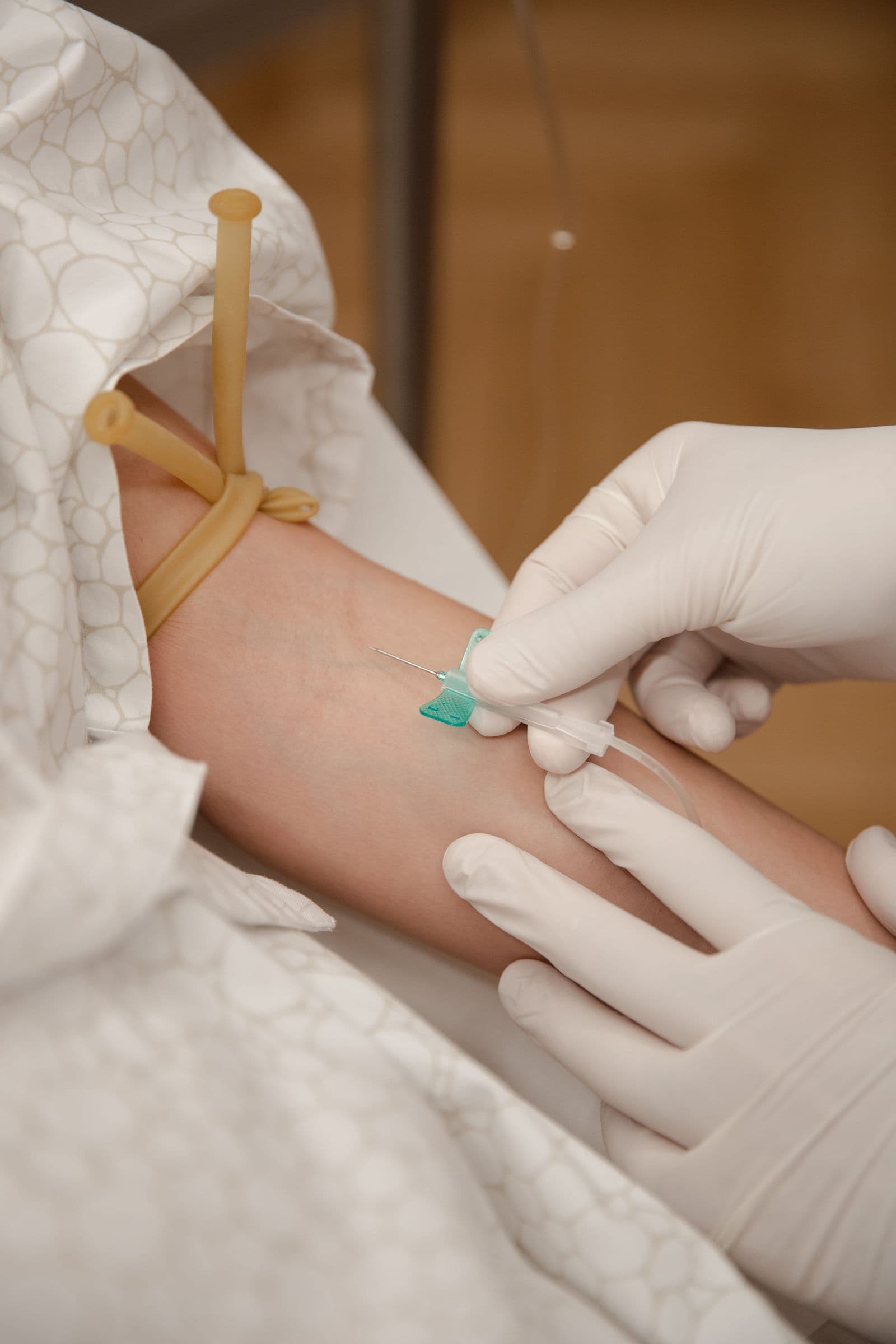
- A small venous blood draw, of a few milliliters.
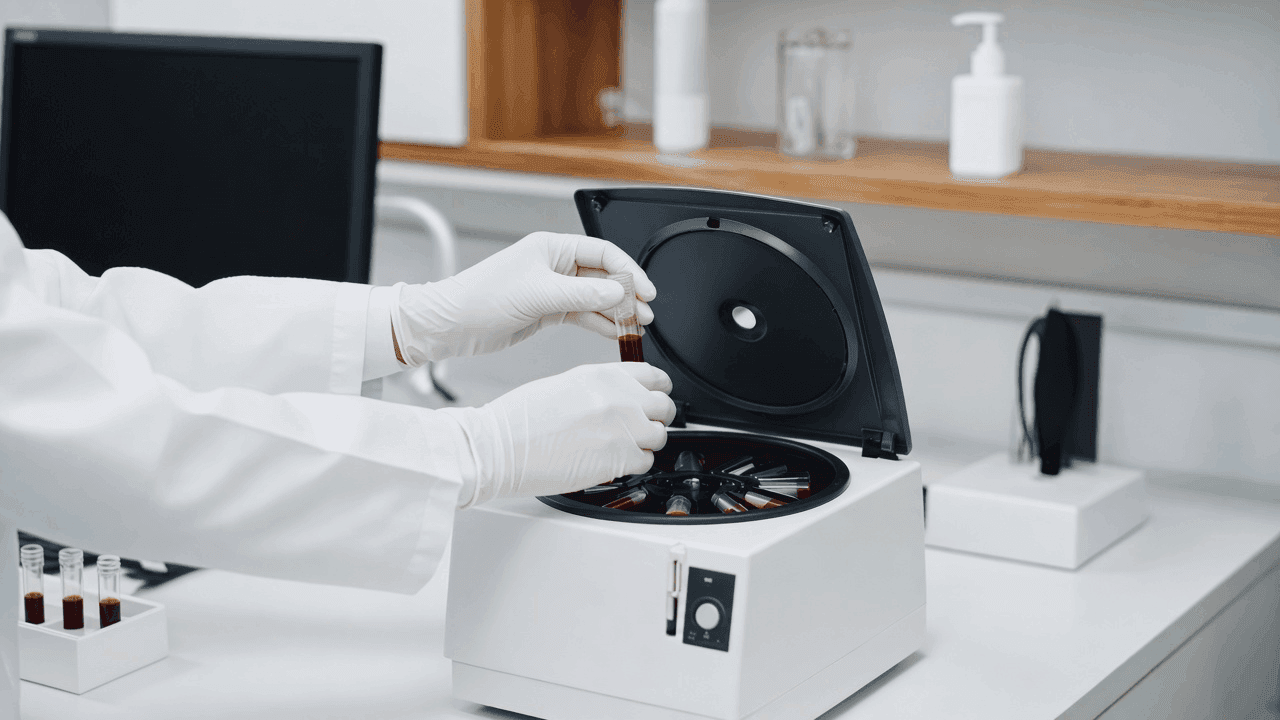
- Centrifugation, which separates red blood cells from plasma and concentrates platelets.
- Collection of the platelet-rich fraction, which contains the growth factors.
- Infiltration into the area to be treated, in an outpatient setting and usually during the same session.
The entire procedure typically requires just over half an hour and allows a return to normal activities. PRP has been used for years in various medical specialties, and its widespread use has made one thing clear: its value varies greatly depending on the indication for which it's used.
The fact that it's derived from the patient's blood does not make it risk-free. As the National Blood Center reminds us, preparation that doesn't meet quality and safety requirements can expose patients to contamination and infections, which is why where and how PRP is produced matters.
When PRP Works: Indications with Evidence
The same overview collected 29 systematic reviews of randomized studies in three main fields: wound care, orthopedics, and dentistry.
The results suggest benefit in various clinical situations, with quality of evidence the authors judge as low to moderate.
Field | Indications where reviews suggest benefit | Quality of evidence |
Wound care | Diabetic wounds | Low to moderate |
Orthopedics | Acute musculoskeletal injuries, rotator cuff injuries, tendinopathies, knee and hip osteoarthritis, total knee arthroplasty | Low to moderate |
Dentistry | Bone grafts for dental implants, intraosseous periodontal defects | Low to moderate |
The picture confirms what PRP truly is: a valid method with documented results in specific indications. This is the point to keep in mind when hearing it proposed as a general answer to very different problems. In orthopedics, for example, reviews indicate benefit in tendinopathies and osteoarthritis, while for other soft tissue injuries the evidence is more fragile.
Low to moderate quality means results are encouraging but could change with better studies, and therefore should be presented to patients with appropriate caution.
The picture should also be read for what it leaves out. PRP is widely used in aesthetic medicine, for skin quality of face, neck and hands or for acne scars, and in trichology, as support when hair thins. However, the reviews included in the overview concerned wounds, orthopedics and dentistry, and for other uses those proposing it should be able to indicate which studies it's based on.
PRP Limitations and When It's Not Indicated
The first limitation concerns the evidence. The overview emphasizes that their quality, in many cases low, reduces certainty of results, and that well-designed randomized studies are still needed to define PRP efficacy. A Cochrane review on soft tissue injuries had already highlighted another problem: preparation methods vary greatly and are not standardized, so that different products with different concentrations end up under the same name.
The second limitation concerns the patient. An international consensus published in 2025 in Knee Surgery, Sports Traumatology, Arthroscopy formulated 23 recommendations for infiltrations in musculoskeletal conditions in people with comorbidities. PRP reflects the health status of who produces it, its composition can change with certain pathologies and infiltration can affect local tolerance. Situations requiring assessment before treatment involve three groups of conditions:
- Viral or bacterial infections, dialysis, and therapies that reduce immune defenses.
- Oncological diseases, active, in remission, or localized in the area to be treated.
- Blood diseases, such as cytopenias and other hematological pathologies.
The same authors specify that, due to the scarcity of studies, recommendations are based mainly on expert opinion. This is an additional reason why the indication should be made by a physician, after a visit considering medical history and ongoing therapies. A treatment derived from one's own blood remains a medical act, with indications and contraindications like any other.
Beyond PRP: Micro-Fragmented Adipose Tissue
Research has gone beyond, and not recently. One of the most important evolutions concerns the use of micro-fragmented adipose tissue, a complex biological resource that preserves cellular components, extracellular matrix, and signals involved in repair processes and inflammation regulation.
The difference from PRP lies in the richness of the system. PRP mainly uses factors released by platelets, while micro-fragmented adipose tissue allows intervention through a more complex biological system, which also includes mesenchymal cells present in fat. It's on this principle that Prof. Carlo Tremolada developed Lipogems®, contributing to bringing a new way of using the body's regenerative resources into clinical practice. The characteristics of micro-fragmented tissue have also been described in laboratory studies in which Prof. Tremolada himself participated, documenting its preserved structure and stromal component.
In orthopedics, treatment takes place in a single outpatient session. A small liposuction under local anesthesia harvests fat from the abdomen or flanks, the tissue is micro-fragmented and purified with the Lipogems® system and then infiltrated into the joint under ultrasound or fluoroscopic guidance. The procedure lasts between forty-five and sixty minutes and patients return home the same day. Indications include osteoarthritis of knee, hip, shoulder and ankle, tendinopathies and cartilage lesions, with best results in mild to moderate forms.
This doesn't mean micro-fragmented adipose tissue is always superior to PRP, because clinical evidence and indications are different. It means that today there are therapeutic possibilities that deserve to be known and evaluated. The two methods can also work together, and in more complex injuries the association allows combining platelet growth factors with adipose tissue action. Those wanting to explore the comparison between the two approaches will find a dedicated analysis in the article on differences between PRP and Lipogems®.
In the book "Il corpo che si cura" (The Self-Healing Body), published by Mondadori, Prof. Tremolada recounts precisely this evolution: understanding the body's biology to transform research into applied medicine. The point is to stop telling patients about regenerative medicine frozen twenty years ago, rather than choosing between PRP and adipose tissue.
Information Is Part of Care
Information is part of care. An informed patient must be able to know the alternatives, understand their benefits and limitations, and consult with a physician capable of proposing the most appropriate solution for their case.
In practice, this means arriving at the consultation with some clear questions. For which indication does evidence exist, and of what quality. How is the product to be infiltrated prepared. How many sessions are planned and what happens if results don't come. What alternatives exist, including the possibility of combining different methods. A physician who responds with precision, and who also knows when to say a technique is not indicated, offers the most important guarantee.
In our experience, the choice between PRP, Lipogems® or their combination depends on the tissue to be treated, the extent of damage and the person's objectives, and must be justified case by case. During consultation we also consider previous infiltrations and the response they gave, because treatment history guides the next choice.
Two examples help understand how we reason. For a tendinopathy or early osteoarthritis, where reviews indicate benefit, PRP may be a reasonable and minimally invasive first choice. When osteoarthritis is moderate and pain resists conservative therapies, evaluation may orient toward micro-fragmented adipose tissue, alone or combined with PRP, after clarifying with the patient what is reasonable to expect. Scientific innovation has value when it becomes a real opportunity for the patient. Medicine has moved forward, and information must do so as well.
Frequently Asked Questions
What is the medical meaning of PRP?
PRP is the acronym for platelet-rich plasma. It's a patient's blood derivative, obtained by centrifugation, with a higher than normal platelet concentration and therefore rich in growth factors that platelets release.
What are PRP contraindications?
A 2025 international consensus on infiltrations in musculoskeletal conditions indicates three groups of conditions to carefully evaluate before treatment: infections, oncological diseases and blood diseases, along with some therapies that reduce immune defenses. The decision always rests with the physician, case by case.
How is PRP prepared?
With a small venous blood draw, which is centrifuged to separate red blood cells from plasma and concentrate platelets. The platelet-rich fraction is then collected and infiltrated into the area to be treated, usually in the same outpatient session.
Can PRP and Lipogems® be combined?
Yes. The two methods are complementary, and in more complex injuries the combination allows combining platelet growth factors with micro-fragmented adipose tissue action. The indication is decided during consultation, based on the type of injury and available evidence.
Content reviewed by IMAGE REGENERATIVE's medical-scientific committee. The information provided is for informational purposes and does not replace specialist consultation.
Related Articles
 regenerative-medicine
Red Touch Laser: collagen awakened by light
Red Touch Laser at 675 nm: how it stimulates collagen without needles, what it can improve on fine lines and texture, how many sessions are needed and why energy must be dosed carefully.
 regenerative-medicine
When a Therapy is Promising but Not Yet Proven
When a therapy is promising but not yet proven: what scientific evidence means, the phases of clinical research, and how to navigate with caution.
 regenerative-medicine
Breast Ptosis: Degrees, Causes and When to Have a Mastopexy
Breast ptosis (sagging breasts): degrees, causes and when to have a mastopexy. Difference between breast lift with and without implants and before and after results.
Want More Info?
If you need more information, call us at +39 02 76280736, message us on WhatsApp, email us at info.milano@imageregenerative.com, or use the form below.