Regenerative Medicine
Reading time: 5 minutes
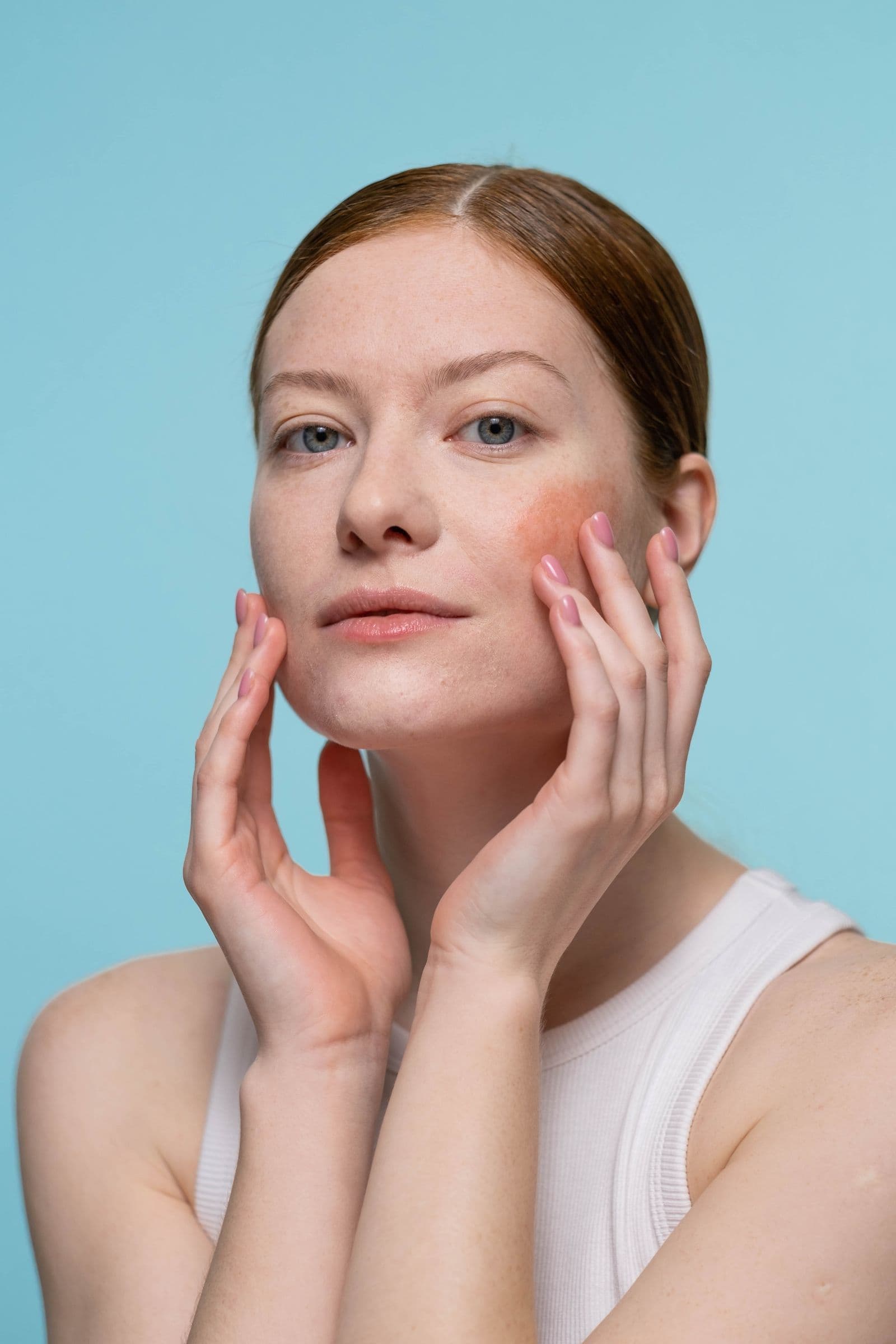
What to do when you have red or sensitive skin?
Dealing with reactive skin can represent a daily challenge. The discomfort associated with redness, itching and dryness affects personal well-being, limiting the sense of comfort and security. At IMAGE REGENERATIVE we have structured a medical and scientific approach to address these issues in depth.
We offer targeted solutions such as the sensitive and dry skin treatment, designed to restore the natural skin barrier and visibly improve facial health. Furthermore, for specific conditions requiring advanced attention, we propose Kleresca acne rosacea and regeneration treatment or the facial couperose treatment, focusing on regenerative technologies capable of reducing inflammation and restoring an even complexion.
Understanding the causes of red and sensitive skin
Skin sensitivity is a complex condition that manifests when the barrier function of the epidermis is compromised. This alteration allows external irritants to penetrate more easily, triggering an inflammatory response that translates into redness, heat and a feeling of tightness. To intervene appropriately, it is essential to analyze the triggering factors, which can vary from environmental causes to genetic predispositions.
Temperature fluctuations, excessive exposure to UV rays, air pollution and cold wind are among the main external aggressors. To these are added incorrect cosmetic habits, such as the use of excessively aggressive cleansers or chemical exfoliants not suitable for one's phototype, which progressively weaken the hydrolipidic film. From an internal perspective, oxidative stress, hormonal fluctuations and an unbalanced diet play a crucial role in increasing skin reactivity.
In the clinical setting, we observe daily how constantly reddened skin can be a prelude to more structured dermatological conditions, such as rosacea or couperose. Understanding the origin of inflammation allows us to develop tailored therapeutic pathways, aimed at rebuilding the skin's natural resistance and reducing its vulnerability.
Skin Rash: When it's time to consult an expert
An occasional episode of redness can be a normal reaction to an external stimulus, however a persistent skin rash requires careful medical evaluation. It is time to consult a professional when redness is accompanied by severe desquamation, intense itching, constant burning or the appearance of small lesions, such as papules or pustules. These signs indicate that the inflammation has gone deep and that normal cosmetic products are insufficient to restore balance.
A dermatological visit to define the state of one's skin is always a good idea for prevention and planning of one's care. Relying on an expert allows you to obtain an accurate diagnosis and to exclude dermatological pathologies that require specific interventions. Often, the most common error is resorting to do-it-yourself remedies that risk aggravating the irritation, making the problem chronic. A rigorous medical approach, supported by advanced diagnostic technologies, represents the first step in structuring a therapeutic plan capable of soothing the skin and protecting it over time.
Regenerative treatments at IMAGE REGENERATIVE against skin rashes
Traditionally, the management of skin rashes and inflammatory outbreaks has been based on the use of cortisone creams or pharmacological therapies with topical action. Such solutions, although useful for managing the acute phase and temporarily alleviating the symptom, have obvious limitations in the long term. Although valuable for managing acute phases under medical supervision, prolonged use of topical corticosteroids can over time lead to thinning of the skin, increasing its fragility. For long-term management, it is preferable to accompany or replace these approaches with strategies that are not limited to superficial action.
While conventional therapies act on the symptom by temporarily suppressing inflammation, at IMAGE REGENERATIVE we have chosen a different approach, founded on the principles of regenerative medicine. Our goal is to treat and regenerate the skin structure, stimulating natural cellular repair processes to obtain progressive and lasting results.
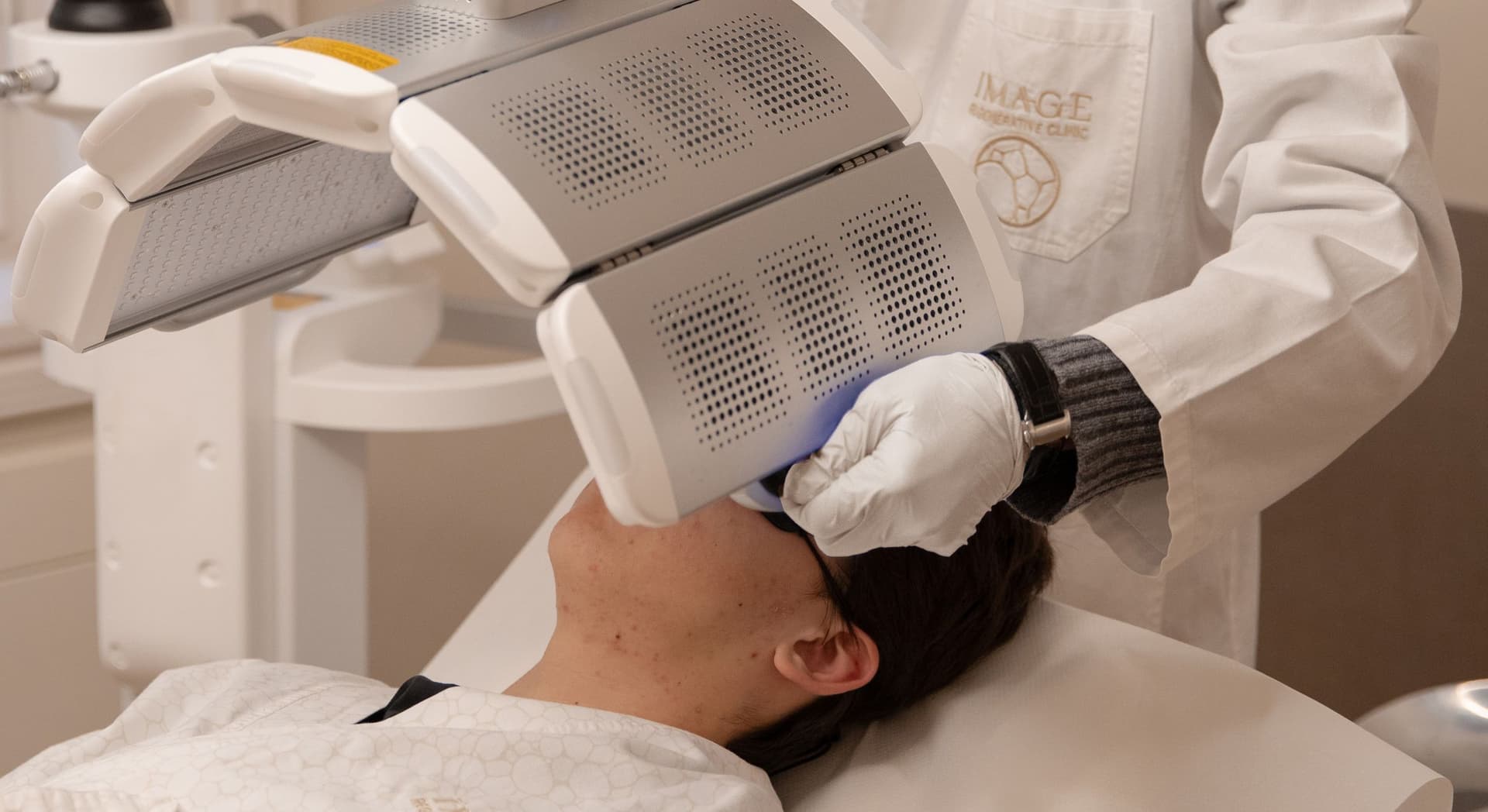
Among the most advanced technologies we use is the Kleresca treatment. Exploiting the energy of biophotonic light, this non-invasive protocol activates skin regeneration at the cellular level, reducing deep inflammation, calming the redness typical of rosacea and restoring tissue compactness.
In addition, we associate Gold Microinfusion protocols, which deliver a personalized cocktail of hyaluronic acid, vitamins and antioxidants through golden microneedles, deeply hydrating without causing trauma. Furthermore, the use of polynucleotides allows us to biostimulate the skin, improving its elasticity and resistance to environmental stress. These pathways, free of aggressive side effects, work in harmony with the body's biology, restoring healthy, luminous and visibly less reactive skin.
Daily routine to soothe red skin
Maintaining the results obtained in the clinic inevitably passes through careful and rigorous home management. Reactive skin requires a minimalist routine, focused on rebuilding the protective barrier and deep hydration. Cleansing must be performed with products compatible with the skin pH, preferably by lipid affinity, avoiding water that is too hot which promotes vasodilation and accentuates redness.
The application of serums and creams must focus on the supply of soothing and restorative active ingredients, carefully excluding potentially sensitizing ingredients. Below we propose a summary table to guide daily cosmetic choices.
Ingredients to Avoid | Recommended Ingredients |
Denatured alcohol and synthetic fragrances | Hyaluronic Acid and Ceramides |
Aggressive physical and granular exfoliants | Niacinamide and Panthenol |
Glycolic Acid in high concentrations | Centella Asiatica and Calendula extracts |
Essential oils with rubefacient action | Bisabolol and Aloe Vera |
Consistency in this routine, combined with delicate movements during product application, helps keep skin hydrated and reduce the frequency of inflammatory episodes.
How to protect skin from irritation in the long term
To consolidate skin health over time, prevention assumes a role of primary importance. The cornerstone of a long-term strategy is daily photoprotection. UV rays are among the main culprits in collagen degradation and worsening redness. Applying sun protection with high filter, formulated specifically for sensitive skin, is an essential gesture in every season of the year.
Equally essential is maintaining a balanced lifestyle. Systemic hydration, combined with a diet rich in antioxidants, supports microcirculation and tissue integrity. It is advisable to limit the intake of very spicy foods, alcohol and hot beverages, which can cause peaks of vasodilation and accentuate redness on the face.
Finally, scheduling periodic check-ups with the aesthetic physician or dermatologist allows monitoring of skin evolution, promptly adapting care protocols to seasonal needs or hormonal changes. A preventive and regenerative approach guarantees a healthy complexion resistant to the challenges of time.
Frequently Asked Questions
What to put on irritated and red skin?
In case of irritation, it is essential to apply cosmetics formulated with soothing and reparative ingredients, such as hyaluronic acid, ceramides and panthenol. Products with light texture and free of fragrances or alcohol help restore the hydrolipidic film, providing immediate relief and promoting recovery of the skin barrier.
How to reduce inflammation in red skin?
To reduce inflammation, it is recommended to cleanse the face with lukewarm water and affinity cleansers, patting the skin without rubbing. The application of cool compresses with thermal water or chamomile extracts can provide temporary relief. For deep intervention, regenerative medicine treatments such as biophotonics are extremely effective in calming tissues from within.
How is sensitive skin treated and managed?
Managing sensitive skin requires an integrated approach that combines extremely gentle home skincare with professional medical pathways. Avoiding exposure to temperature fluctuations and UV rays without protection is fundamental. At the clinical level, the use of biostimulants and regenerative protocols helps strengthen the dermal structure, making the skin less vulnerable to external agents.
What is the best cream for skin redness?
The effectiveness of a product depends on the underlying cause of redness. In general, the most suitable formulations contain vasoprotective and soothing active ingredients, such as centella asiatica, niacinamide and biomimetic peptides. A personalized medical evaluation is the best way to identify the exact treatment capable of counteracting the problem while respecting one's physiology.
.jpg&w=1920&q=75&dpl=dpl_8XSa7tLnSmFrynr59a4DVXk1hf2a)
Dr. Alice Miegge’s background, which combines expertise in surgery, aesthetic medicine, and laser therapy, represents a distinctive value that allows her to assess and treat each patient in a comprehensive and multidisciplinary way. This integrated approach enables her to move across different fields, offering tailored and personalized treatment plans. A Specialist in General Surgery trained in centers of excellence in Turin, Milan, and London, she holds a Second-Level Master’s Degree in Aesthetic Medicine and Laser Therapy. She strengthened her experience in dermatosurgery and aesthetic surgery working alongside Prof. Carlo Tremolada, the Clinic’s Director. Her method is rooted in the pursuit of harmony and natural results, with a particular focus on regenerative medicine and the use of the most innovative protocols, ensuring outcomes that are safe, elegant, and respectful of each patient’s individual features and identity.
View profile →Related Articles
 regenerative-medicine
Décolleté Rejuvenation: How to Care for Neck and Chest
Décolleté rejuvenation: how to care for neck and chest, from neck wrinkles to Venus rings. Treatments, fillers and biostimulation for the skin.
 regenerative-medicine
 regenerative-medicine
Oxygen Ozone Therapy: What Is It? What Are the Benefits?
Oxygen ozone therapy: what it is, what it's for, and what benefits it offers for herniated discs and back pain. How it works, costs, coverage, and contraindications.
Want More Info?
If you need more information, call us at +39 02 76280736, message us on WhatsApp, email us at info.milano@imageregenerative.com, or use the form below.