Regenerative Medicine
Regenerative Medicine: What It Is and How It Works
Regenerative medicine represents one of the most promising frontiers of contemporary medical science, capable of stimulating natural tissue repair mechanisms to treat chronic pathologies, signs of aging, and injuries difficult to address with conventional protocols.
At IMAGE REGENERATIVE in Milano and St. Moritz, we adopt a scientific approach based on Lipogems® technology, patented by Professor Carlo Tremolada, which harnesses the potential of autologous adipose tissue.
Applications range from orthopedic Lipogems® for treating arthritis and joint pain to facial rejuvenation with Lipogems® Beauty, including programs dedicated to longevity and wellness. In this article, we analyze the meaning, principles, and practical applications of this discipline.
Regenerative Medicine: What Does It Mean?
When we speak of regenerative medicine, we refer to a set of biomedical techniques aimed at repairing, replacing, or regenerating damaged tissues and organs by activating the body's natural biological processes. Working in synergy with conventional medicine, the regenerative approach aims to intervene directly on the biological cause of the problem, reconstructing compromised biological structures.
The principle is simple in its elegance: the human body already possesses the necessary resources to self-repair, but with advancing age or in the presence of chronic pathologies, this capacity diminishes. Regenerative therapies provide targeted biological stimulation to reactivate these mechanisms. This represents a conceptual revolution that is transforming orthopedics, dermatology, gynecology, and aesthetic surgery, opening new therapeutic possibilities for patients seeking alternatives to surgery or chronic pharmacological treatments.
The Fundamental Principles of Regenerative Medicine

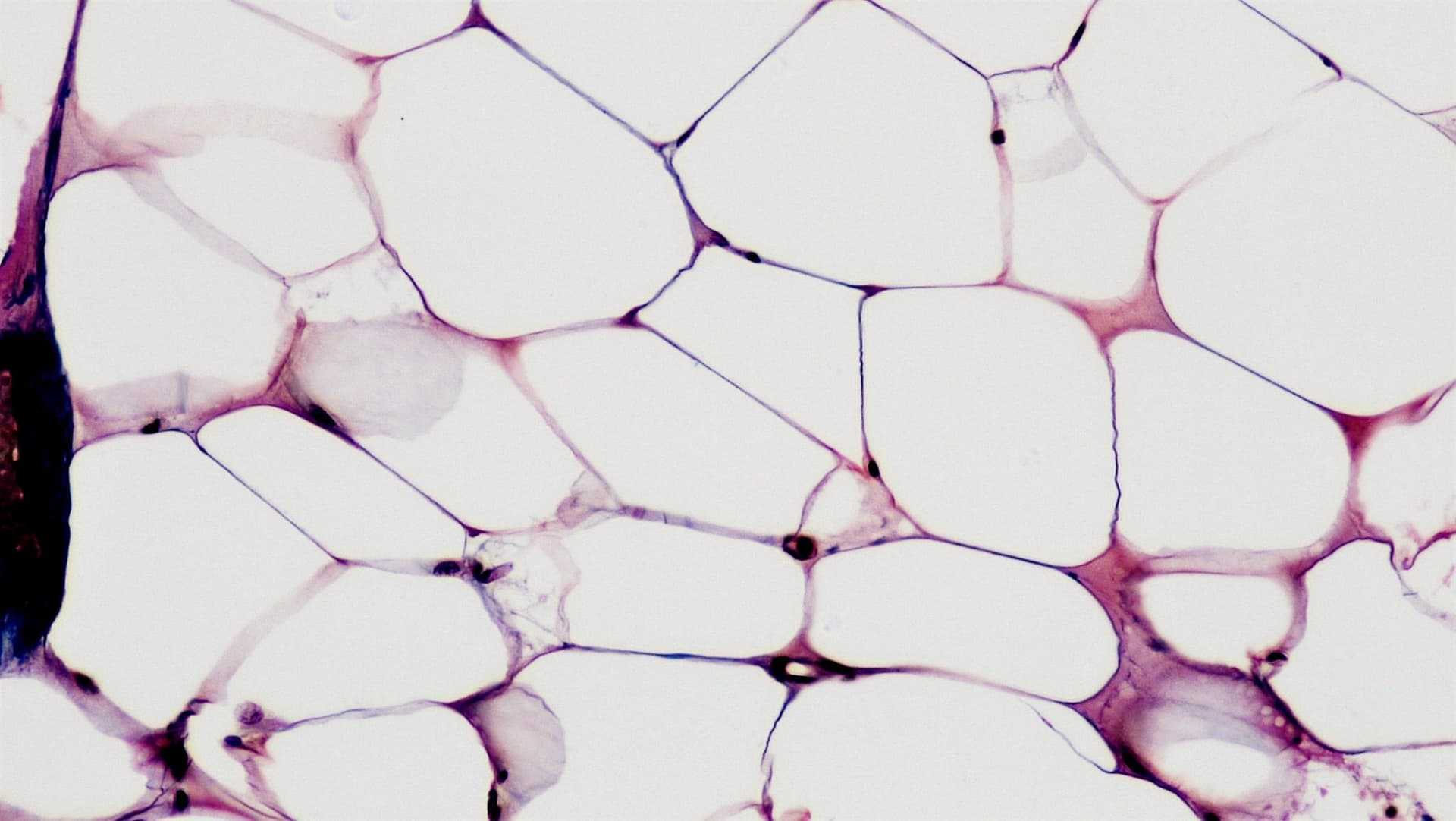
The fundamental principles of regenerative medicine are based on three interconnected biological pillars: stem cells, growth factors, and extracellular matrix. Mesenchymal stem cells represent the engine of cellular regeneration because they can differentiate into various types of tissue, from cartilage to bone, from skin to blood vessels. When delivered to the site of injury, they orchestrate tissue healing by interacting with resident cells.
Growth factors and cytokines constitute the second pillar: these are signaling molecules that modulate inflammation, stimulate new collagen production, and promote the formation of new blood vessels, a process known as neoangiogenesis. The extracellular matrix, finally, provides the three-dimensional scaffold on which cells can organize to reconstruct functional tissue.
Autology represents a further fundamental principle of the regenerative approach we adopt: by using biological material taken from the patient themselves, the risks of rejection, allergic reactions, or immunological complications are drastically reduced, ensuring an excellent safety profile.
Techniques Used for Cellular Regeneration

The Lipogems® methodology, patented by Professor Tremolada, represents a significant evolution compared to traditional cellular therapies. Through a closed micro-fragmentation system, adipose tissue is processed while preserving its original architecture, vascular network, and extracellular matrix. The result is biologically active tissue, rich in mesenchymal stem cells and growth factors, ready to be infiltrated into the areas to be treated.
The following table summarizes the main differences between the most common regenerative techniques.
Technique | Origin | Active Component | Average Duration of Results | Invasiveness |
PRP | Autologous blood | Platelets and growth factors | 6-12 months | Minimal |
Polynucleotides | Purified DNA fractions | Cutaneous biological stimulation | 4-6 months | Minimal |
Biostimulators | Synthetic (collagen) | Collagen stimulation | 12-18 months | Low |
Lipogems® | Autologous adipose tissue | Mesenchymal stem cells | 18-24 months and beyond | Low |
The choice of technique depends on the area to be treated, the clinical objective, and the individual characteristics of the patient, always within the context of specialist medical evaluation.
The Benefits of Regenerative Medicine for Health

The advantages of regenerative therapies are multiple and clinically documented. Being minimally invasive procedures, treatments are performed on an outpatient basis with local anesthesia, reducing recovery times and the impact on the patient's daily life. The safety profile is excellent because autologous biological material is used, drastically reducing the risk of complications typical of systemic drugs or major surgical interventions.
On a functional level, the benefits of regenerative medicine include reduction of chronic inflammation, improvement of joint mobility, pain relief, and regeneration of damaged tissues. In the aesthetic field, therapies visibly improve skin tone, elasticity, and radiance by stimulating natural cellular renewal processes.
An important aspect concerns the duration of results: while many traditional treatments act on symptoms for limited periods, the regenerative approach works on the biological cause, offering prolonged benefits. This translates into a therapeutic experience of extraordinary biological and clinical value, representing a forward-thinking investment in the patient's health and quality of life.
Practical Applications of Regenerative Medicine
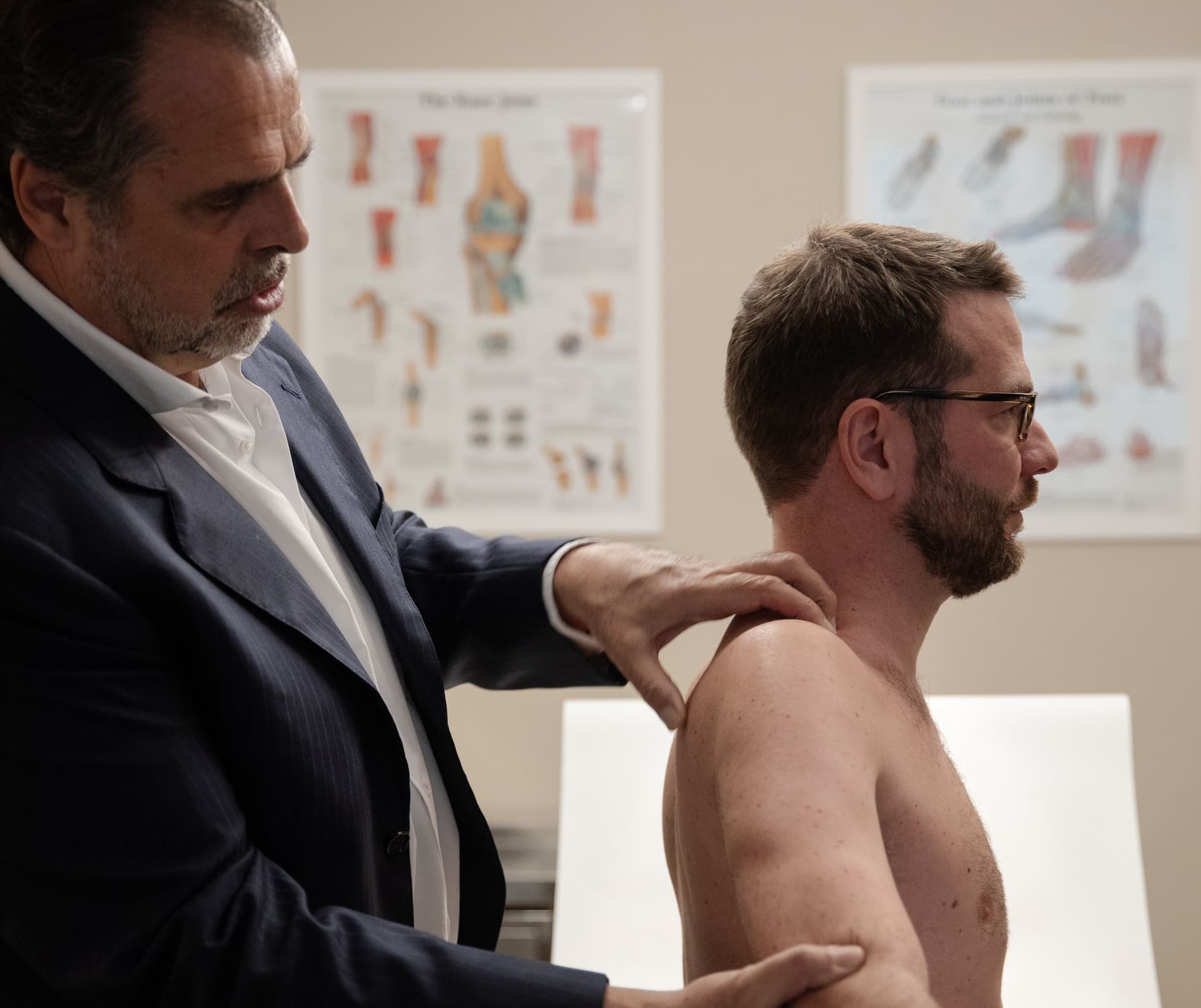
The practical applications of regenerative therapies cover numerous medical specialties. In orthopedics, Lipogems® technology offers a concrete alternative to surgery for treating knee arthritis, shoulder injuries, hip pain, and chronic tendinopathies. Lipogems® Sport is used to accelerate athlete recovery after muscular or joint injuries.
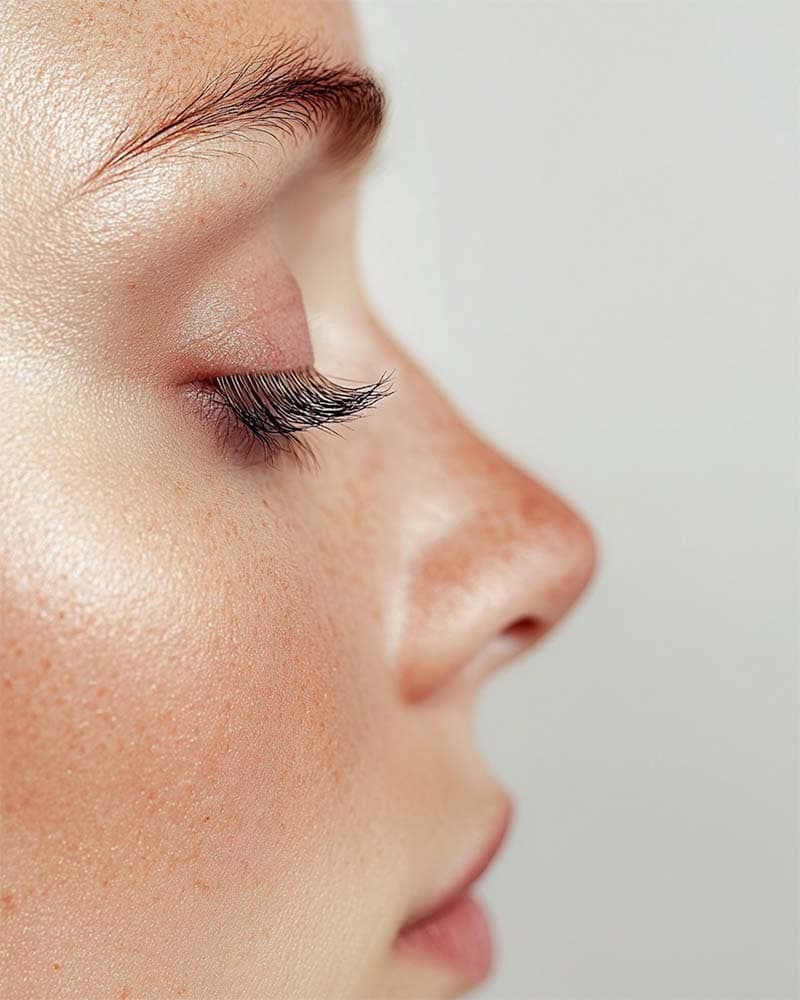
In the field of regenerative aesthetics, regenerative face lift with Lipogems® treats volume loss and signs of aging using the patient's own adipose tissue, achieving natural and lasting results. For more localized concerns such as dark circles, regenerative blepharoplasty integrates traditional surgery with regenerative principles.
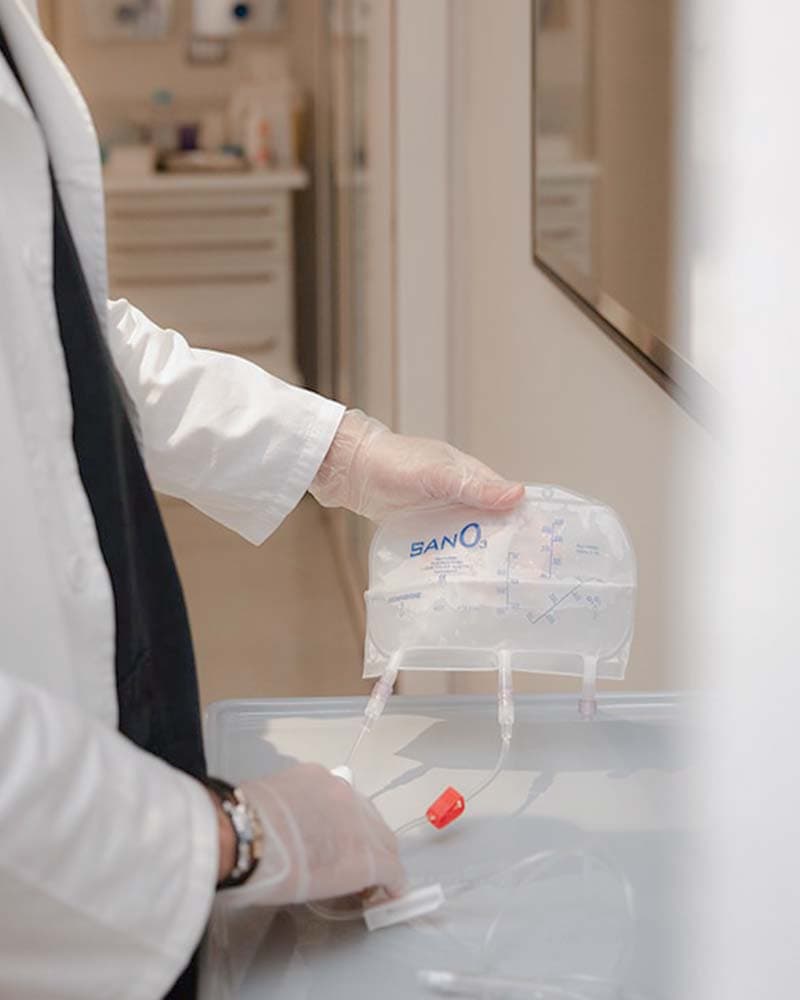
Applications extend to regenerative gynecology with Lipogems® to treat vaginal atrophy, dryness, and lichen sclerosus, to colonproctology for treating fistulas and complex pathologies, and to chronic pain therapy. In the field of longevity, programs integrate therapies such as anti-aging NAD+ IV therapy and other systemic regenerative medicine protocols.
The Future of Cellular Regeneration and IMAGE REGENERATIVE Innovations
The future of regenerative medicine looks particularly exciting. Stem cell research is exploring new frontiers, from tissue engineering to bioprinting, from personalized gene therapies to regeneration of complex organs. International events such as the Milan Longevity Summit confirm Milano's role as a European hub for biomedical innovation and longevity research.
At IMAGE REGENERATIVE, under the guidance of Professor Carlo Tremolada, we actively participate in international scientific research with peer-reviewed publications documenting the efficacy of the Lipogems® methodology in diverse fields: from joint cartilage regeneration to acne scar treatment, from anorectal pathologies to post-oncological scarring and reconstructive outcomes. Publication of clinical studies in journals such as the Croatian Medical Journal, the European Journal of Surgical Oncology, and the Journal of Stem Cell Research testifies to the scientific validity of the approach.
Our commitment consists of offering patients in Milano and St. Moritz constantly updated protocols, integrating the most recent evidence with a multidisciplinary approach involving orthopedists, dermatologists, gynecologists, physiatrists, and longevity specialists. Regenerative medicine is an evolving discipline, and continuous dialogue with the international scientific community remains the fundamental prerequisite for ensuring high-level clinical results.
Frequently Asked Questions
What conditions does regenerative medicine treat?
Regenerative medicine is used to treat numerous conditions: orthopedic pathologies such as knee arthritis, shoulder injuries, and chronic tendinopathies; aesthetic concerns related to skin aging, facial volume loss, scars, and stretch marks; gynecological conditions such as vaginal atrophy and lichen sclerosus; complex proctological pathologies and chronic pain. Indications are always determined after specialist medical evaluation.
Which organs can be regenerated?
Current regenerative therapies are particularly effective on connective tissues: joint cartilage, tendons, ligaments, skin, mucous membranes, and adipose tissue. Research is exploring applications on more complex tissues such as cardiac, hepatic, and neural tissue, with promising although still experimental results. Established clinical applications today primarily concern the musculoskeletal system, skin, and urogenital tissues.
What are the advantages of regenerative medicine with autologous tissue?
The main advantages include minimal invasiveness of procedures, use of autologous biological material that reduces risks of adverse reactions, limited recovery times, prolonged results over time, and the ability to act on the biological cause of the problem rather than just the symptom. Being outpatient procedures, the impact on the patient's daily life is limited.
Is regenerative medicine safe?
Regenerative therapies based on autologous tissues have an excellent safety profile because they use material taken from the patient themselves, eliminating the risk of rejection and immunological reactions. Procedures must be performed by specialized physicians in authorized facilities, following scientifically validated protocols and with adequate clinical follow-up to monitor the evolution of results over time.
Interested in this treatment?
Lipogems Orthopedics
Interested in this treatment?
Lipogems Orthopedics
Interested in this treatment?
Lipogems Beauty
Interested in this treatment?
Lipogems Beauty
Interested in this treatment?
Lipogems Sport
Interested in this treatment?
Lipogems Sport
Interested in this treatment?
Regenerative Face Lift
Interested in this treatment?
Regenerative Face Lift
Interested in this treatment?
Regenerative Blepharoplasty
Interested in this treatment?
Regenerative Blepharoplasty

Interested in this treatment?
Gynecology
Interested in this treatment?
Gynecology
Interested in this treatment?
Colonproctology
Interested in this treatment?
Colonproctology

Interested in this treatment?
Pain Therapy
Interested in this treatment?
Pain Therapy
Interested in this treatment?
NAD+ IV Therapy
Interested in this treatment?
NAD+ IV Therapy
Related Articles
 regenerative-medicine
Intravenous NAD+ Therapy: What It Is and What It's For
Intravenous NAD+ therapy: what it is, what it's for, and the benefits for energy and anti-aging. How the session works, differences with supplements, and side effects.
 regenerative-medicine
Deflated Breasts After Breastfeeding: Causes and Solutions
Deflated breasts after breastfeeding: causes and solutions, from exercises to firm the breasts to medical solutions like mastopexy and lipofilling. Complete guide.
 regenerative-medicine
Longevity, Anti-Aging and Biohacking: What They Really Mean
Longevity, anti-aging and biohacking: what they really mean and how they differ, between longevity medicine and optimization of body and mind.
Want More Info?
If you need more information, call us at +39 02 76280736, message us on WhatsApp, email us at info.milano@imageregenerative.com, or use the form below.