
Regenerative Medicine
Regenerative medicine: repair, regenerate or prevent?
Repairing damaged tissue, truly regenerating it, or intervening before it deteriorates are three distinct objectives that require distinct tools. Regenerative medicine encompasses all three, which is one reason why it is often poorly explained.
At IMAGE REGENERATIVE, in our Milano and St. Moritz locations, micro-fragmented adipose tissue with Lipogems® is the core technology around which the entire regenerative department has been built.
Let's examine what regeneration means in clinical terms, how the three strategies differ, which materials are used, and what the available evidence shows today.
What is regenerative medicine
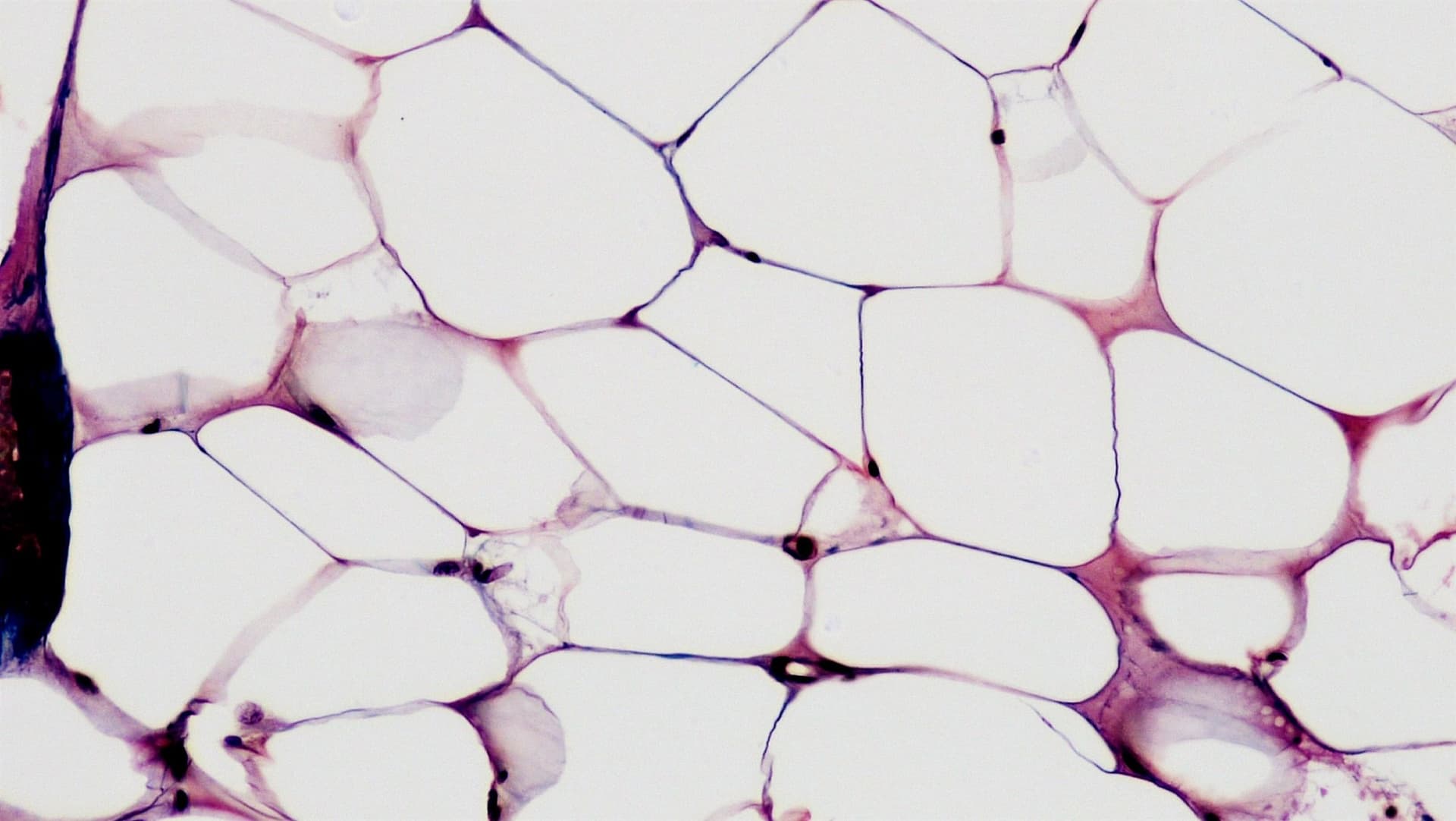
Regenerative medicine encompasses approaches aimed at restoring the structure and function of damaged tissue, rather than merely controlling symptoms or replacing it with a device. The difference from conventional medicine lies in the biological objective, because an anti-inflammatory reduces pain while a regenerative approach seeks to modify the tissue conditions that produce that pain.
The operating principle consists of providing the body with conditions to perform work it already knows how to do. Every tissue possesses its own repair capacity, which however decreases with age, chronic inflammation, and reduced local vascularization. Regenerative therapies address these three factors.
This also explains why the same procedure yields different outcomes in different people. Well-vascularized tissue in a body that sleeps adequately and moves regularly responds better than chronically inflamed tissue in a sedentary person. The infiltrated material is identical, while the terrain it arrives in changes considerably, and the terrain can be prepared.
The most studied material in this field is adipose tissue. A narrative review published in Medicine in 2025 notes that subcutaneous fat is an advantageous source of mesenchymal cells due to accessibility and ease of harvesting, that these cells reside in the stromal vascular fraction, and that they can be obtained through purely mechanical methods, resulting in micro-fragmented adipose tissue. The authors describe the potential of local injections in promoting tissue regeneration, although this is a narrative review and not a systematic synthesis of evidence.
Repair, regenerate or prevent: the three strategies
The question in the title has a nuanced answer, because the three strategies are not alternatives to each other but respond to different moments in a tissue's history. Confusing them is the quickest way to build wrong expectations.
Strategy | Objective | Clinical example | Limitation |
Repair | Close acute damage by restoring continuity | Tendon suture, wound healing | Produces scar tissue, less functional than the original |
Regenerate | Reconstitute tissue with its own structure and function | Adipose tissue infiltration in an arthritic joint | Requires residual biological reserve to work with |
Prevent | Slow deterioration before damage occurs | Longevity pathways, controlled load, inflammation management | Benefit barely visible immediately, requires continuity |
Prevention is the least spectacular strategy and often the most cost-effective, because it acts when the tissue's biological reserve is still high. Regeneration performs best in an intermediate range, when damage exists but the structure maintains response capacity. When cartilage is depleted or the joint is deformed, the correct answer returns to prosthetic intervention, and saying this during consultation is part of the work.
Stem cells and growth factors: how they work
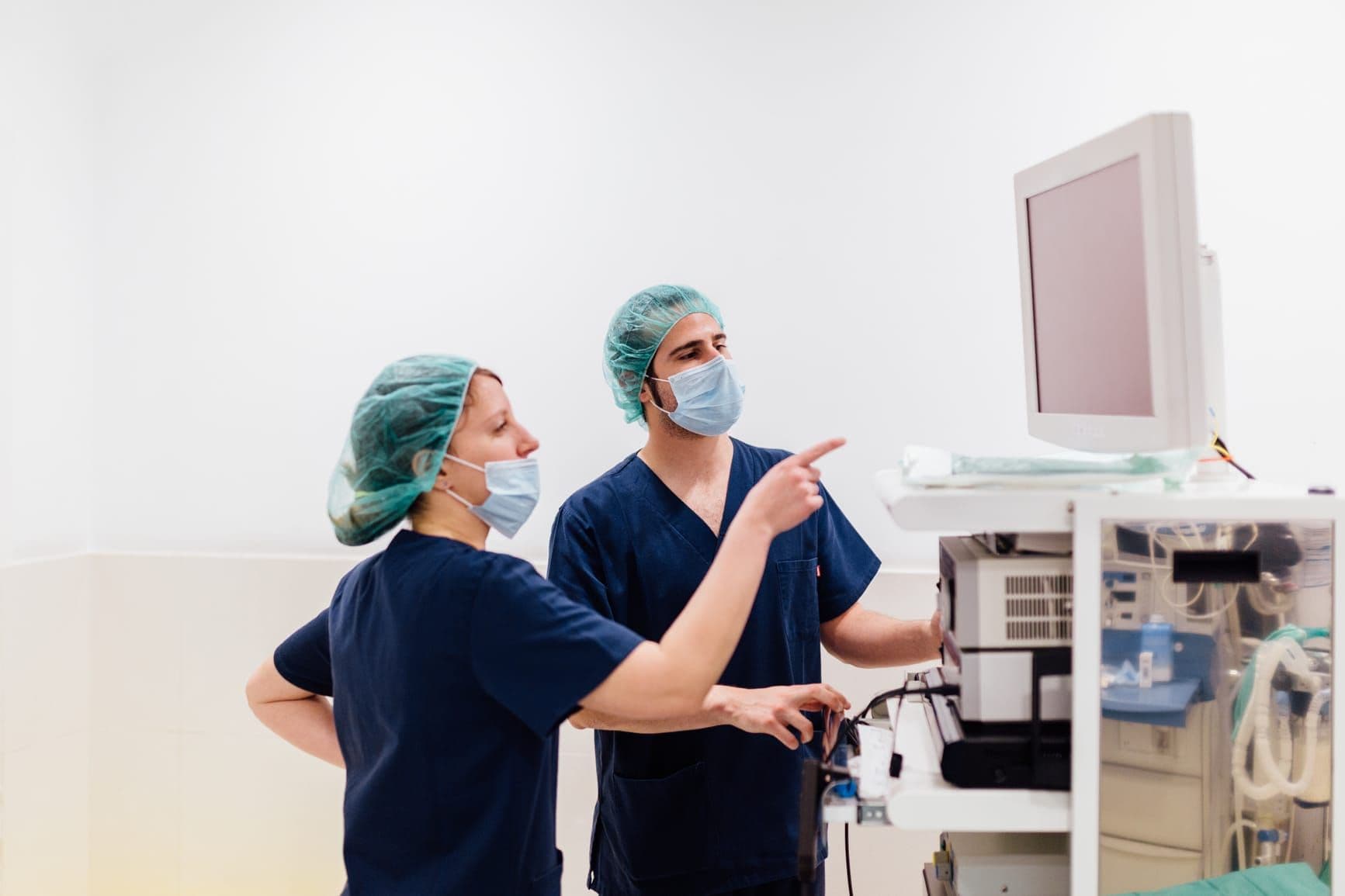
The term stem cells is used quite loosely, so it's worth clarifying what we're talking about in clinical practice. The cells used in autologous regenerative therapies are adult mesenchymal stromal cells, harvested from the patient themselves. They have nothing to do with embryonic stem cells, which have no use in these treatments in Italy.
The mechanism of action most accepted today is not what many imagine. These cells don't massively transform into the tissue to be reconstructed, but act mainly through paracrine signaling, releasing growth factors, cytokines and extracellular vesicles that modulate local inflammation, stimulate new vessel formation and activate resident cells in the host tissue. In other words, they perform a directing role rather than serving as building material.
Context matters greatly around them. The niche where cells are placed, meaning the surrounding matrix and their three-dimensional organization, affects the survival and effectiveness of the implant. This is why techniques that preserve the structure of harvested tissue, rather than reducing it to a suspension of isolated cells, have attracted growing interest.
This leads to a consequence that directly affects the patient. Two treatments presented with the same commercial name can differ greatly in how the material is harvested and processed, and therefore in what is actually infiltrated. Asking which method is used, whether it involves enzymes and whether the system is closed is a legitimate question, and the answer should come without hesitation.
PRP, adipose tissue and autologous therapies
Autologous therapies use the patient's own biological material, which reduces compatibility issues and simplifies the regulatory framework. The two most common families have distinct characteristics and a complementary relationship that is often misunderstood.
The main autologous options available today are distinguished as follows:
- Platelet-rich plasma, obtained from the patient's blood through centrifugation, concentrates platelet growth factors and lends itself to repeated cycles with a quick and minimally invasive procedure.
- Micro-fragmented adipose tissue, harvested with a thin cannula under local anesthesia, provides mesenchymal cells along with the matrix that hosts them, maintaining tissue architecture.
- Combinations of the two techniques, used when associating the immediate effect of growth factors with the structural support of adipose matrix is desired.
- Traditional lipofilling, which has a predominantly volumetric purpose and a secondary regenerative effect on surrounding tissue quality.
Regarding the relationship between platelet-rich plasma and adipose tissue, it's worth being explicit. The two techniques are often presented as competing, while in practice they complement each other, because they act on different levels and with different timelines. The choice depends on the tissue, the stage of damage and the functional objective, and in various protocols they are used in sequence.
The micro-fragmented adipose tissue procedure, in the version developed by Prof. Carlo Tremolada, follows three steps. The tissue is harvested from the abdominal region with a microcannula, mechanically processed in a closed system that reduces it to small clusters without enzymes or additives, and finally infiltrated into the treatment area in the same session.
Applications: orthopedics, aesthetics and beyond
The field with the largest case series remains musculoskeletal, where demand almost always arises from chronic joint pain and the desire to postpone prosthetic surgery. Alongside this, applications have developed in very different areas.
Here's where these techniques find clinical use today:
- Regenerative orthopedics, for knee and hip osteoarthritis, rotator cuff injuries, chronic tendinopathies and chondropathies.
- Sports medicine, where adipose tissue is used both in trauma recovery and as biological support in association with surgery.
- Regenerative aesthetics, where the objective concerns skin quality, density and elasticity, rather than volume filling.
- Gynecology, for vulvovaginal atrophy and lichen sclerosus, where it represents a hormone-free option.
- Colonproctology, an area overseen by Dr. Alberto Giori, with applications in fistulas and complex perianal lesions.
In our team's experience, the factor that most discriminates outcome is the stage at which intervention occurs. A joint with residual cartilage responds differently than one where joint space has disappeared, and patient selection matters more than the technique employed.
Scientific evidence and future prospects
The state of evidence needs to be described precisely, because it's the aspect where commercial sector communication tends to overreach. There is substantial literature on mechanisms of action and growing clinical case series, with encouraging results especially in the musculoskeletal field. At the same time, large randomized studies remain few, protocols vary between centers, and direct comparison between different techniques is still limited.
This situation has a practical consequence on how treatment is proposed. Correct indication explains what the intervention can reasonably offer in that specific case, over what timeframe and with what degree of uncertainty, and also indicates situations where choosing another path is advisable. Honesty on this point is part of clinical quality, not a concession.
There is also a simple criterion for evaluating a therapeutic proposal in this field. A serious indication always includes cases where treatment is not recommended, indicates a time horizon for outcome evaluation and provides a follow-up plan. When instead it's presented as suitable for any condition and any stage, the problem concerns the method even before the technique.
The most interesting development directions concern procedure standardization, characterization of what is actually infiltrated, and study of extracellular vesicles as a possible therapeutic route without cells. Meanwhile, regenerative medicine remains a discipline where patient selection, execution quality and associated rehabilitation pathway weigh as much as the biological material used.
Frequently asked questions
Are embryonic stem cells used?
No. Autologous regenerative treatments use adult mesenchymal stromal cells harvested from the patient themselves, generally from adipose tissue or blood. Embryonic stem cells belong to a completely different research field and are not used in these types of procedures.
How long do regenerative treatment results last?
It depends on the tissue, the stage of damage and the person's habits. In the joint field, benefits develop over several months and are generally reevaluated after one year, with the possibility of a booster session. Proper loading and the rehabilitation pathway substantially affect duration.
Is regenerative medicine still experimental?
It depends on the application. The use of autologous adipose tissue in musculoskeletal and aesthetic fields is an established clinical practice with extensive literature, while other applications remain under study. Asking the physician which category the received proposal falls into is a completely legitimate question.
Are PRP and Lipogems® alternatives?
They complement each other, they don't exclude each other. Platelet-rich plasma concentrates growth factors with faster action, while micro-fragmented adipose tissue provides mesenchymal cells along with the matrix that supports them. In various protocols, the two techniques are used in sequence, with a choice depending on the clinical picture.
Content reviewed by IMAGE REGENERATIVE's medical-scientific committee. The information provided is for educational purposes and does not replace specialist consultation.
Related Articles
 regenerative-medicine
Décolleté Rejuvenation: How to Care for Neck and Chest
Décolleté rejuvenation: how to care for neck and chest, from neck wrinkles to Venus rings. Treatments, fillers and biostimulation for the skin.
 regenerative-medicine
 regenerative-medicine
Oxygen Ozone Therapy: What Is It? What Are the Benefits?
Oxygen ozone therapy: what it is, what it's for, and what benefits it offers for herniated discs and back pain. How it works, costs, coverage, and contraindications.
Want More Info?
If you need more information, call us at +39 02 76280736, message us on WhatsApp, email us at info.milano@imageregenerative.com, or use the form below.