Regenerative Medicine
Sports Injuries: Rapid Recovery with Lipogems
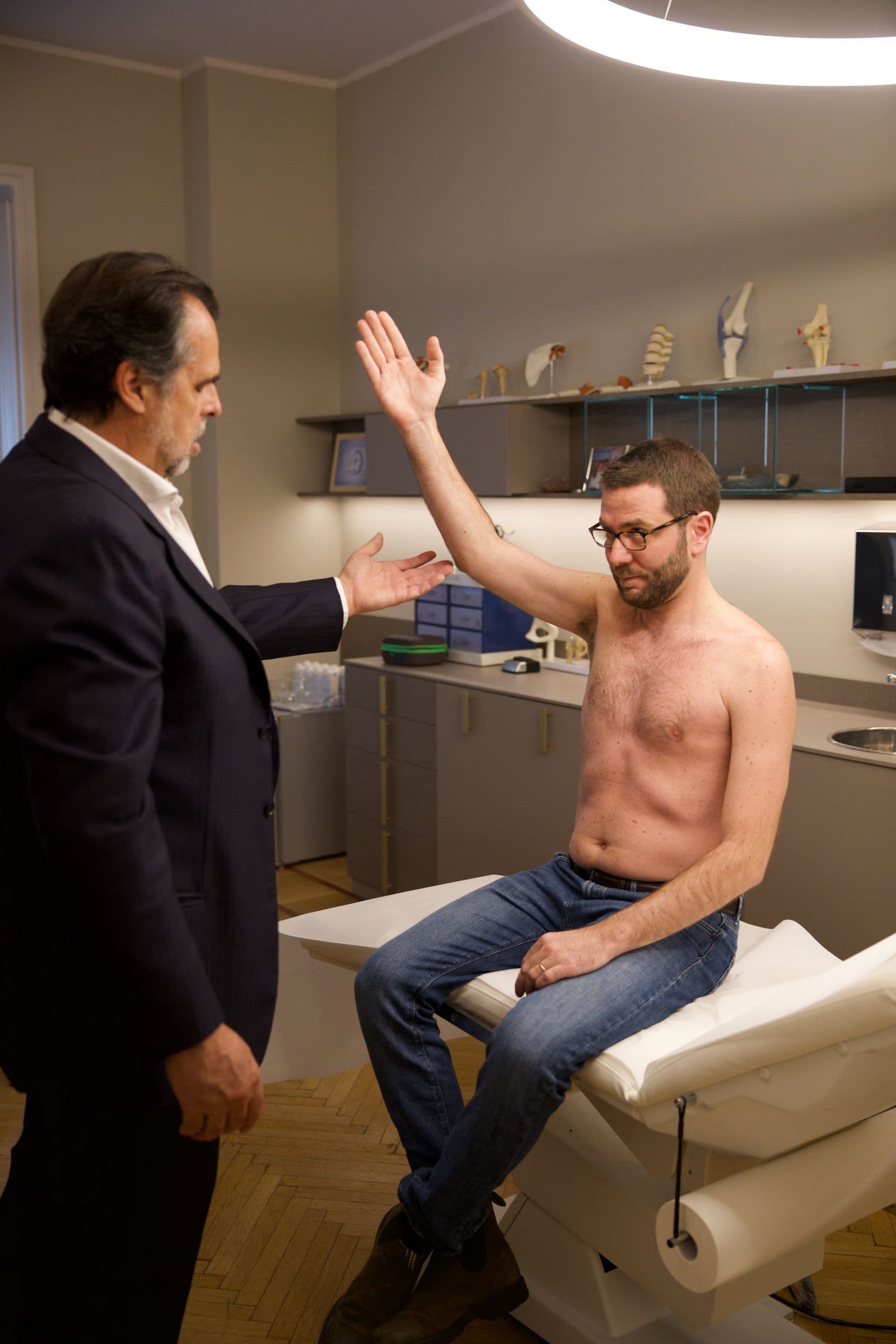
At Image Regenerative we support professional athletes and amateur sports enthusiasts toward faster and more stable recovery over time, putting regenerative medicine at the service of performance.
When a sports injury interrupts training, the priority becomes restoring muscle and joint function while optimizing recovery times.
For this reason we combine conventional therapies with Lipogems Sport treatment, a technique that uses autologous adipose tissue to stimulate the natural tissue repair processes, and we integrate the pathway with evaluation of the orthopedic Lipogems program.
The goal is clear: return to the field sooner, with healthier joints and reduced risk of relapse.
The main sports injuries: muscles, tendons and cartilage
Those who practice physical activity regularly are well acquainted with the three most frequent targets of sports trauma: muscles, tendons and cartilage. Each tissue responds to damage differently. Muscle is richly vascularized and tends to repair relatively quickly, while tendons and cartilage receive less blood and heal much more slowly, often incompletely.
This difference explains why a neglected tendinopathy or cartilage lesion can become chronic, transforming a temporary discomfort into a problem that limits athletic movement for months. Regenerative medicine was born precisely to intervene where tissues struggle to repair themselves, supporting biological healing mechanisms rather than simply suppressing pain. Understanding the nature of one's injury remains the first step in choosing the most suitable pathway and planning a safe return.
Muscle injuries: tears, strains and pulls
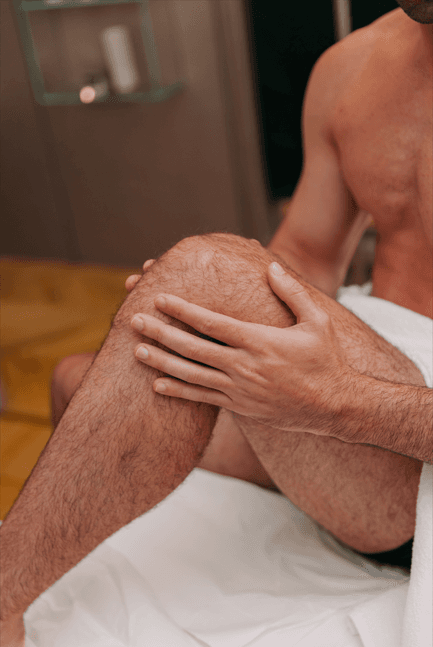
Muscle injuries represent a significant portion of sports injuries and present with increasing severity. Muscle pull is the mildest form and involves excessive stretching of fibers, with contained pain and generally short recovery. Strain involves intermediate damage, while a tear indicates a true rupture of a variable number of fibers, with acute pain, swelling and sometimes a visible hematoma.
The greatest risk for athletes concerns recurrent tears and strains, which tend to reoccur in the same location when repair occurs with poorly elastic scar tissue. In these cases Lipogems treatment can support physiotherapy to promote quality tissue repair, reducing fibrosis formation and improving the elasticity of the treated muscle. A well-conducted pathway that respects biological timing and includes progressive return to sport remains the best way to counteract recurrence and restore efficiency to athletic movement.
Tendinopathies and tendon injuries in athletes
Tendinopathies are among the most insidious pathologies for sports practitioners, because tendons have poor vascularization and repair extremely slowly. Epicondylitis, Achilles tendinitis, patellar tendinopathy and rotator cuff injuries often accompany disciplines characterized by repetitive movements or high loads. Pain tends to worsen over time and, when it becomes chronic, severely affects training and competition.
The traditional approach includes rest, anti-inflammatories and, in many cases, cortisone infiltrations: solutions that act on the symptom and offer temporary relief, but which repeated over time can further weaken the tendon structure.
We have chosen a different direction. With Lipogems we bring to the lesion site cells and biological factors capable of stimulating tissue repair, with the goal of treating the cause of the problem and reducing pain and functional limitation more durably. It is a change of perspective that shifts the focus from simple inflammation management to real recovery of tendon quality.
What is Lipogems and how regenerative medicine works
Lipogems is a regenerative medicine method based on micro-fragmented adipose tissue, FDA cleared and awarded in 2016 as Best New Technology in Sports Medicine. The principle is as elegant as it is effective: body fat is a natural reservoir of mesenchymal stem cells, growth factors and cytokines, elements that our body uses to repair tissues.
The procedure takes place in three steps and is minimally invasive. In the first phase a small amount of adipose tissue is harvested from the abdominal area under local anesthesia; the tissue is then micro-fragmented and purified through the Lipogems device, which preserves its structure and vascular network; finally the obtained concentrate is precisely applied to the area to be treated.
Being autologous tissue, meaning from the patient themselves, the risk of reactions is reduced and the method is compatible with WADA anti-doping regulations, a decisive aspect for competitive athletes. The method was studied and patented by Prof. Carlo Tremolada, scientific director of Image Regenerative, and is now used worldwide for degenerative disorders related to age and sports overload.
Lipogems for knee and joints
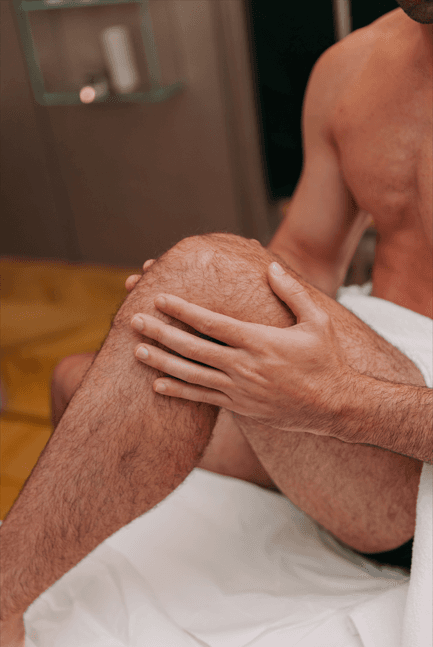
The knee is the most stressed joint in most sports disciplines and is also one of the sites where Lipogems best expresses its potential. Chondropathies, initial cartilage degeneration and early osteoarthritis in young athletes find in this method a minimally invasive option to preserve the joint and avoid, when possible, more invasive surgical procedures or prosthetic implantation.
Many athletes come to us after trying classic joint infiltrations, and it is useful to clarify a central point of our approach: while recognizing the role of traditional lubricating treatments, Image Regenerative chooses to focus on biological and regenerative solutions.
Hyaluronic acid acts as a lubricant and offers a mechanical benefit of limited duration, without intervening in tissue regeneration. We chose Lipogems because it brings into the joint a biological environment rich in mesenchymal stem cells, capable of supporting cartilage repair processes and improving mobility and comfort more stably.
While lubrication temporarily addresses the symptom, the regenerative strategy works on the quality of joint tissues and their function over time. The treatment is also indicated for shoulder, hip and ankle, with personalized protocols based on the sport practiced and the athlete's goals.
Rapid recovery: healing times with Lipogems Sport
Recovery speed is often what distinguishes a compromised season from a timely return. Compared to conservative therapies alone, regenerative pathways allow in many cases a faster return to sports activity, with a significantly quicker return than standard timeframes. The timing of intervention greatly affects the result: acting within the first 72 hours of trauma helps contain damage, while in chronic forms treatment aims to reactivate repair processes in already degenerated tissues.
Times vary based on the type of injury, location and individual characteristics, which is why each program is defined after thorough clinical evaluation. The following table provides guidance on indicative times associated with the main issues treated with Lipogems Sport.
Type of condition | Indicative recovery time | Treatment objective |
Chronic tendinopathies | 4-8 weeks | Tissue repair and pain reduction |
Cartilage lesions | 6-12 weeks | Cartilage support and joint mobility |
Recurrent muscle injuries | 3-6 weeks | Elastic repair and reduced fibrosis |
Chronic sprains | 4-8 weeks | Joint stability and pain control |
These values are indicative and are always integrated with targeted physiotherapy and progressive return to sport, to accompany the athlete toward a gradual and safe return.
Lipogems, PRP and stem cells: what are the differences
In the field of regenerative medicine applied to sports one often hears about PRP, stem cells and Lipogems, terms that indicate different approaches. PRP, or platelet-rich plasma, is obtained from a small blood sample from the patient and concentrates platelet growth factors: it is useful for stimulating reparative inflammation, but its action tends to be more limited over time. Therapies based on isolated stem cells aim instead to introduce single cell populations into the site to be treated.
Lipogems occupies a unique position, because it does not isolate cells but preserves micro-fragmented adipose tissue with its matrix and biological niche: mesenchymal stem cells remain in their natural environment, surrounded by vascular support that promotes their activity. The two methods can also be complementary: in selected cases Lipogems treatment is combined with PRP to enhance the regenerative effect in more complex lesions. The choice of the most suitable protocol always belongs to the physician, after careful evaluation of the individual case.
At Image Regenerative, with locations in Milano and St. Moritz, each pathway is built around the athlete combining clinical experience and regenerative technologies validated by scientific literature.
Frequently asked questions
How long does recovery with Lipogems take after a sports injury?
Times depend on the type of injury and patient characteristics. Generally chronic tendinopathies require about 4-8 weeks, cartilage lesions 6-12 weeks. Compared to conservative therapies, the regenerative pathway tends to reduce downtime, with faster return to sports activity.
Is Lipogems compatible with anti-doping controls?
Yes. Lipogems uses exclusively the patient's adipose tissue, without introducing external substances, and is compatible with WADA regulations. For this reason it is also used by professional athletes engaged in competitive activity.
What is the difference between Lipogems, PRP and stem cells?
PRP concentrates growth factors derived from blood and has a more limited action over time. Therapies with isolated stem cells introduce single cell populations. Lipogems instead preserves micro-fragmented adipose tissue with its biological niche, maintaining mesenchymal stem cells in their natural environment. In selected cases the techniques can be combined.
Can Lipogems avoid knee surgery?
In several cases Lipogems represents a minimally invasive option useful for preserving the joint and postponing or avoiding more invasive procedures, especially in the early stages of cartilage degeneration. The indication must always be evaluated by the specialist through thorough clinical examination.
Related Articles
 regenerative-medicine
Intravenous NAD+ Therapy: What It Is and What It's For
Intravenous NAD+ therapy: what it is, what it's for, and the benefits for energy and anti-aging. How the session works, differences with supplements, and side effects.
 regenerative-medicine
Deflated Breasts After Breastfeeding: Causes and Solutions
Deflated breasts after breastfeeding: causes and solutions, from exercises to firm the breasts to medical solutions like mastopexy and lipofilling. Complete guide.
 regenerative-medicine
Longevity, Anti-Aging and Biohacking: What They Really Mean
Longevity, anti-aging and biohacking: what they really mean and how they differ, between longevity medicine and optimization of body and mind.
Want More Info?
If you need more information, call us at +39 02 76280736, message us on WhatsApp, email us at info.milano@imageregenerative.com, or use the form below.