Regenerative Medicine
Reading time: 4 minutes
Thumb Arthritis: What Is It? Symptoms and Remedies for Effective Treatment
Hand wellness is fundamental to daily quality of life and maintaining one's autonomy. When joint problems arise, every small gesture can become a real challenge.
We at IMAGE REGENERATIVE offer advanced therapeutic pathways based on regenerative medicine to treat degenerative pathologies affecting the joints. Among these, cartilage degeneration at the base of the thumb represents an extremely widespread and debilitating condition.
To counteract inflammation and restore joint functionality, we have developed specific protocols that leverage the potential of orthopedic Lipogems®. This cutting-edge approach is part of a broader pain management therapy aimed at visibly improving mobility without resorting to short-term solutions. In this article, we explore the characteristics of this condition and the most effective options to address it.
Understanding Thumb Arthritis: Introduction and Definition
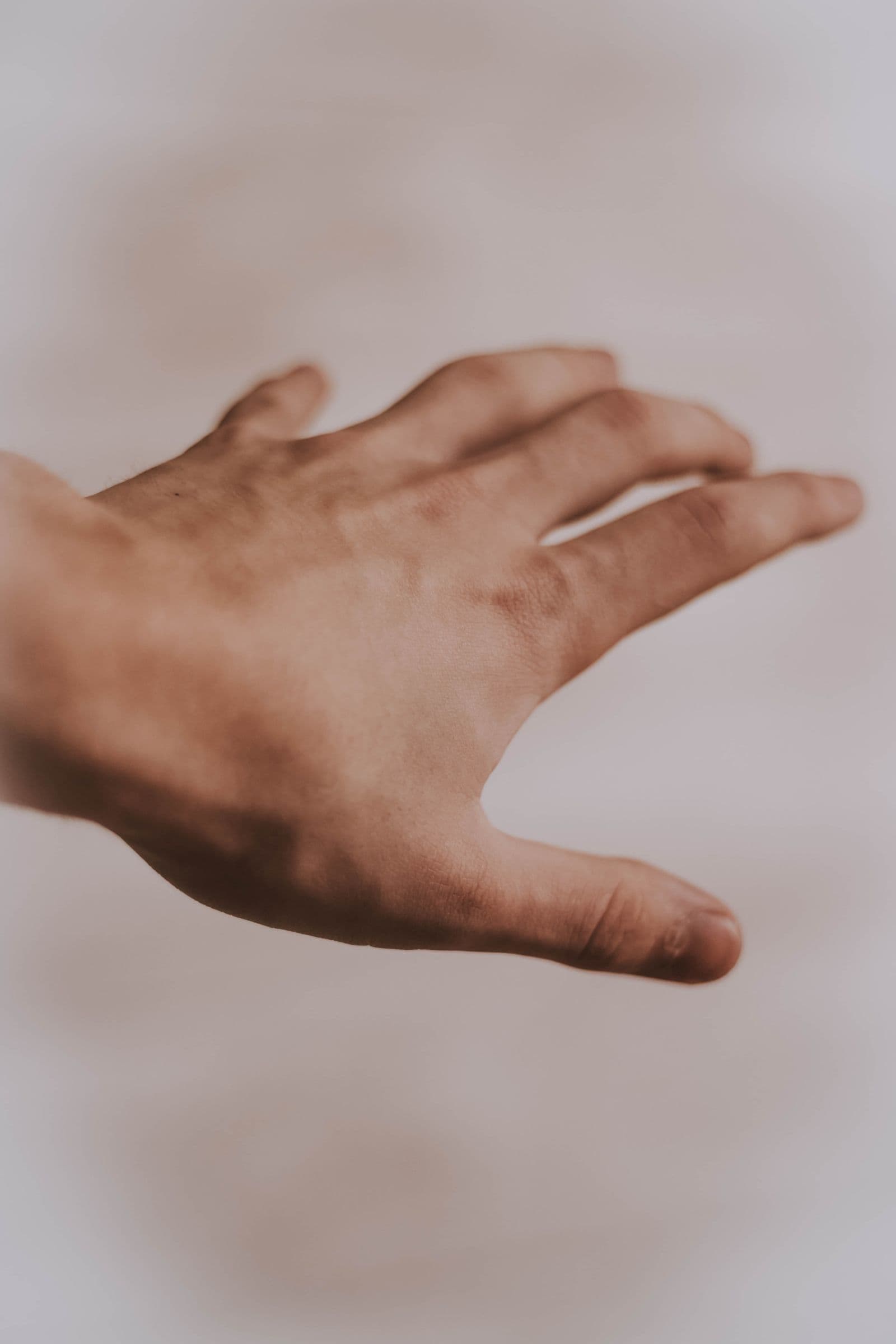
Thumb arthritis is a specific form of osteoarthritis affecting the hand. More precisely, it consists of the progressive deterioration of the cartilage covering the joint surfaces at the base of the thumb, exactly between the trapezium bone and the first metacarpal bone.
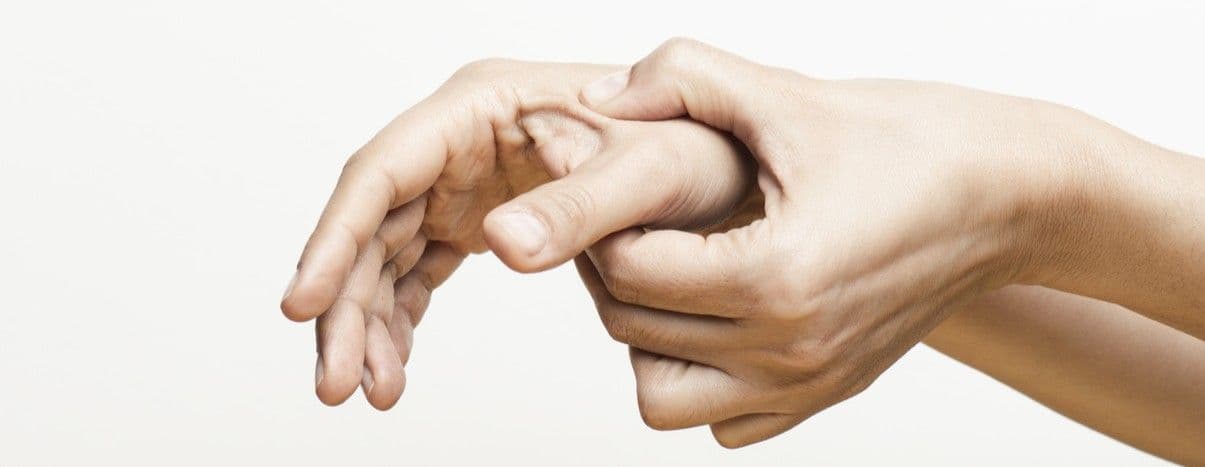
This joint, called saddle-shaped due to its particular anatomical conformation, allows the thumb to move in multiple directions and to oppose the other fingers to grasp objects with strength and precision. When the cartilage wears down, the physiological gliding is compromised and the bones rub against each other causing friction, inflammation and severe movement limitation. This pathological condition heavily interferes with normal hand functions, making work activities, hobbies and even the most mundane actions very difficult.
Causes and Risk Factors of Thumb Arthritis
The development of this condition is linked to various factors, among which age undoubtedly plays a primary role. With advancing years, cartilage undergoes a natural aging and thinning process. The genetic component is another element of great relevance, since family predisposition significantly affects the quality of joint tissues. Women, particularly after menopause, are more affected than men due to hormonal changes that influence bone and cartilage metabolism.
Repeated microtrauma and performing manual work or activities requiring continuous gripping and twisting movements of the thumb can also accelerate the onset of the disease. In some cases, acute trauma such as previous fractures or sprains can predispose the joint to early degeneration.
Common Symptoms in Hands and Thumb
Clinical manifestations tend to worsen gradually over time if neglected. The most evident and early sign is pain at the base of the thumb, which initially appears during simple actions such as turning a key in a lock, opening a jar or wringing out a cloth.
As the degenerative process typical of trapeziometacarpal arthritis advances, discomfort can occur persistently even at rest. In addition to pain symptoms, it is common to notice localized swelling accompanied by joint stiffness, especially upon morning awakening.
Loss of grip strength and a feeling of finger instability are other warning signs to be carefully evaluated. In more advanced cases, the joint can undergo visible deformation, taking on a protruding appearance and altering the natural physiognomy of the hand.
Remedies and Conventional Treatments for Thumb Arthritis
The landscape of traditional treatments offers various options, predominantly conservative in nature. In early stages, the use of rigid or semi-rigid braces serves to rest the joint, reducing mechanical stress. In parallel, anti-inflammatory drugs are often prescribed to alleviate acute pain and swelling. When oral medications lose effectiveness, infiltrative therapies represent a very common practice.
Corticosteroid injections are used for their powerful anti-inflammatory effect, while hyaluronic acid infiltrations aim to temporarily lubricate the joint. At this point, a fundamental clarification is essential. While hyaluronic acid or cortisone infiltrations act predominantly on the symptom offering short to medium-term relief, we favor the regenerative approach with Lipogems® for its ability to offer more lasting results, is completely natural and promotes deep tissue regeneration. Conventional treatments offer valuable symptomatic relief, however they do not address the underlying degenerative cause.
Regenerative Therapies Offered by IMAGE Institute
At IMAGE REGENERATIVE, regenerative medicine represents a true paradigm shift in the treatment of musculoskeletal pathologies, far exceeding the limits of palliative methods. The Lipogems® orthopedic treatment, patented by Professor Carlo Tremolada, uses the patient's autologous adipose tissue to promote joint recovery. Adipose tissue is naturally rich in mesenchymal stem cells and growth factors precious to our organism.
During the procedure, which takes place in a clinical environment of excellence and on an outpatient basis, a small amount of fat is harvested from areas such as the abdomen or flanks. Subsequently, this tissue is micro-fragmented and purified through an advanced system to preserve the integrity of the tissue microenvironment and cell vitality.
This highly regenerative biological concentrate is then infiltrated with extreme precision into the affected joint. The deep action of Lipogems® reduces chronic inflammation, improves mobility and supports the natural repair of damaged tissues. Scientific evidence and clinical results confirm that the benefits can be maintained long-term, offering a valid alternative to temporary therapies. This minimally invasive procedure allows rapid return to daily activities, significantly reducing the risks of complications and the long convalescence periods typical of traditional surgery.
Prevention and Long-Term Management of Thumb Arthritis
Addressing joint problems requires consistency and high awareness of one's body. To manage the condition long-term, it is extremely useful to adopt some strategic modifications in daily lifestyle. Avoiding excessive efforts and using ergonomic tools, designed to reduce mechanical load on the joint, helps protect the thumb during activities.
Targeted mobility and strengthening exercises, performed under professional guidance, help maintain hand stability and preserve adequate range of motion. Following a healthy diet, rich in antioxidant nutrients, supports the general wellbeing of tissues and helps counteract systemic inflammation.
We at IMAGE REGENERATIVE accompany patients on a comprehensive journey, providing the correct indications to maintain over time the benefits obtained with regenerative medicine.
To summarize the therapeutic options and their characteristics, here is a comparative overview:
Treatment | Mechanism of Action | Duration of Benefits | Invasiveness |
Anti-inflammatory Drugs | Chemical reduction of inflammation | Very short | None |
Hyaluronic Acid Infiltrations | Joint lubrication | 3-6 months | Low |
Cortisone Infiltrations | Blocking of inflammatory response | Several weeks or months | Low |
Lipogems® Regenerative Therapy | Stimulation of tissue repair | Years | Minimally invasive |
Frequently Asked Questions
How to recover from thumb arthritis?
Being a degenerative condition, the cartilage cannot return to its original state, however it is possible to visibly improve mobility and significantly reduce pain. Advanced regenerative therapies help counteract the inflammatory process and promote tissue repair, significantly improving quality of life.
What are the causes of hand thumb arthritis?
The main causes include natural aging, genetic predisposition, hormonal changes typical of the female sex and microtrauma due to repetitive movements or excessive stress on the hands.
For thumb arthritis is heat or cold better?
Heat application is generally indicated to relax the musculature and reduce joint stiffness, especially in the morning. The use of cold is instead preferable during acute phases of inflammation to reduce swelling and relieve intense pain.
What not to do in case of thumb arthritis?
It is strongly discouraged to perform forced twisting movements, lift excessive weights with a pinch grip and maintain the thumb in rigid positions for long periods. Also the abuse of pain-relieving drugs to hide symptoms should be avoided without adequate specialist medical supervision.
Related Articles
 regenerative-medicine
Décolleté Rejuvenation: How to Care for Neck and Chest
Décolleté rejuvenation: how to care for neck and chest, from neck wrinkles to Venus rings. Treatments, fillers and biostimulation for the skin.
 regenerative-medicine
 regenerative-medicine
Oxygen Ozone Therapy: What Is It? What Are the Benefits?
Oxygen ozone therapy: what it is, what it's for, and what benefits it offers for herniated discs and back pain. How it works, costs, coverage, and contraindications.
Want More Info?
If you need more information, call us at +39 02 76280736, message us on WhatsApp, email us at info.milano@imageregenerative.com, or use the form below.