Beauty
Reading time: 6 minutes
When Beauty Becomes Pathology
"Beauty is eternity gazing at itself in a mirror; And we are eternity, And we are the mirror." - Khalil Gibran -
Daily, our physicians encounter patients seeking to improve their physical appearance and correct perceived imperfections. In some cases, patients may have a distorted self-image, leading to non-acceptance and obsessive thoughts about their defects, whether real or imagined. The term dysmorphophobia (from Greek dys-morphe: distorted form and phobos: fear) literally means fear of distorted form. This disorder was first described in 1886 by Enrico Morselli, an Italian physician and psychiatrist.
How does this phobic condition manifest?
This disorder manifests as a distorted self-perception and completely altered aesthetic perception of one's body or specific body parts. Often, this pathology may be accompanied by other behavioral conditions such as avoidant personality disorder, antisocial personality disorder, borderline disorder, narcissism, and obsessive-phobic disorder. Individuals with dysmorphophobia constantly believe themselves to be unattractive, and over time, this phobia evolves into a conviction where the individual transitions from fearing something (being unattractive) to complete identification with that fear. In severe cases, affected individuals experience constant depression, anxiety, and feelings of unattractiveness, believing that 'beauty' could change everything.
Self-perception and perception of others
The progression moves from self-improvement to correction or concealment, yet the outcome remains constant: perpetual dissatisfaction, regardless of interventions. The core issue lies in self-perception, which remains far from acceptable. This perception affects not only the view of unacceptable body parts but manifests as a terror of becoming unattractive and aging. Those who consider themselves unattractive tend to perceive others as beautiful, initiating a projection mechanism where they see in others what they feel they lack. The positive aspects remain unassimilated, viewed as external, distant, and unattainable. Consequently, dysmorphophobic individuals compulsively seek cosmetic surgery, which invariably leads to disappointing results. In reality, for those fearing unattractiveness, the surgical outcome is secondary to the expectation that the phobia itself will be eliminated.
Perception and self-esteem
This demonstrates that inner distress is independent of physical appearance but exists as a separate phenomenon. The core issue involves self-esteem, based on self-perception across five crucial areas of daily life: social, academic, professional, familial, aesthetic-corporal, intellectual, and cultural. Severe cases may present alterations in visual and proprioceptive perceptions, affecting body representation, movement, and proportions, potentially progressing to delusional states with psychotic features. In acute cases, these symptoms may develop into schizophrenia or identity disorders, including gender identity disorder, dissociative disorder, body integrity disorder, or body dysmorphia associated with apotemnophilia, where individuals develop such intense hatred for a perceived imperfect (or alien) body part that they seek to conceal or remove it.
Related Articles
 beauty
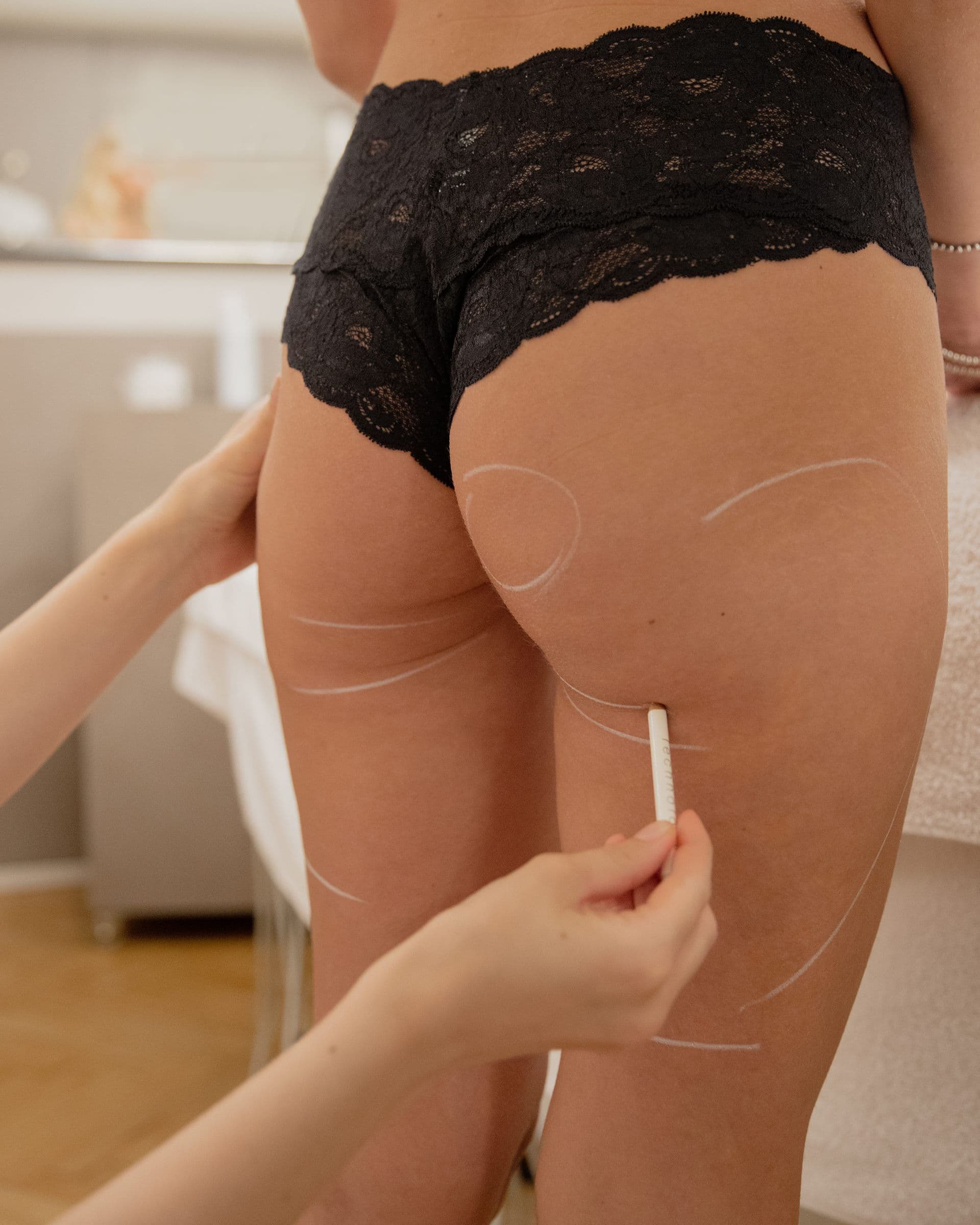
Reduce Thigh Circumference: How to Lose Centimeters?
Reduce thigh circumference with advanced techniques at IMAGE REGENERATIVE. Discover effective treatments for slimmer, more toned legs.
 beauty
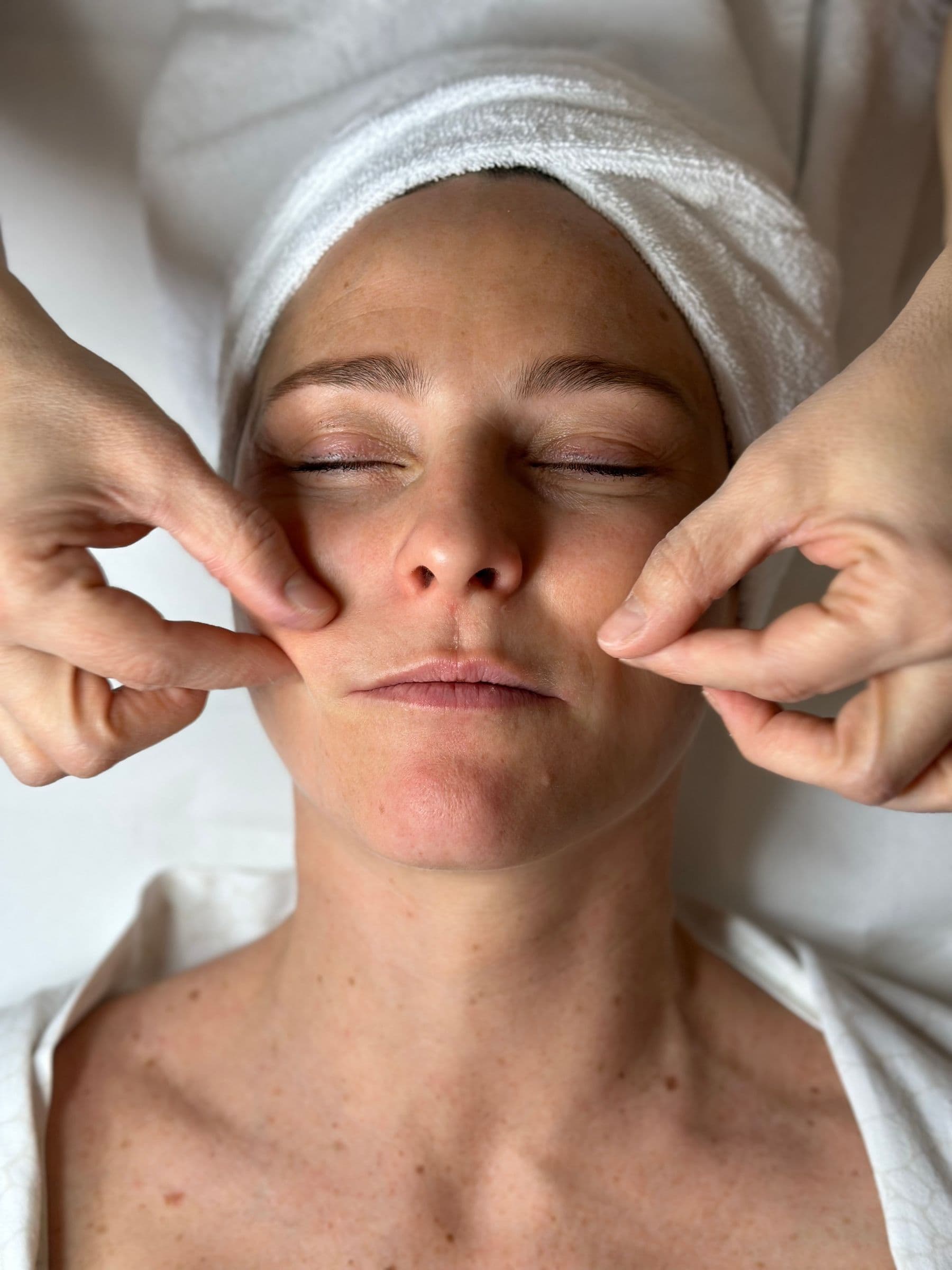
Sagging Skin Under the Chin: What Can Be Done? Solutions and Remedies
Combat sagging skin under the chin with effective and safe solutions. Discover regenerative treatments for a younger, more toned appearance.
 beauty
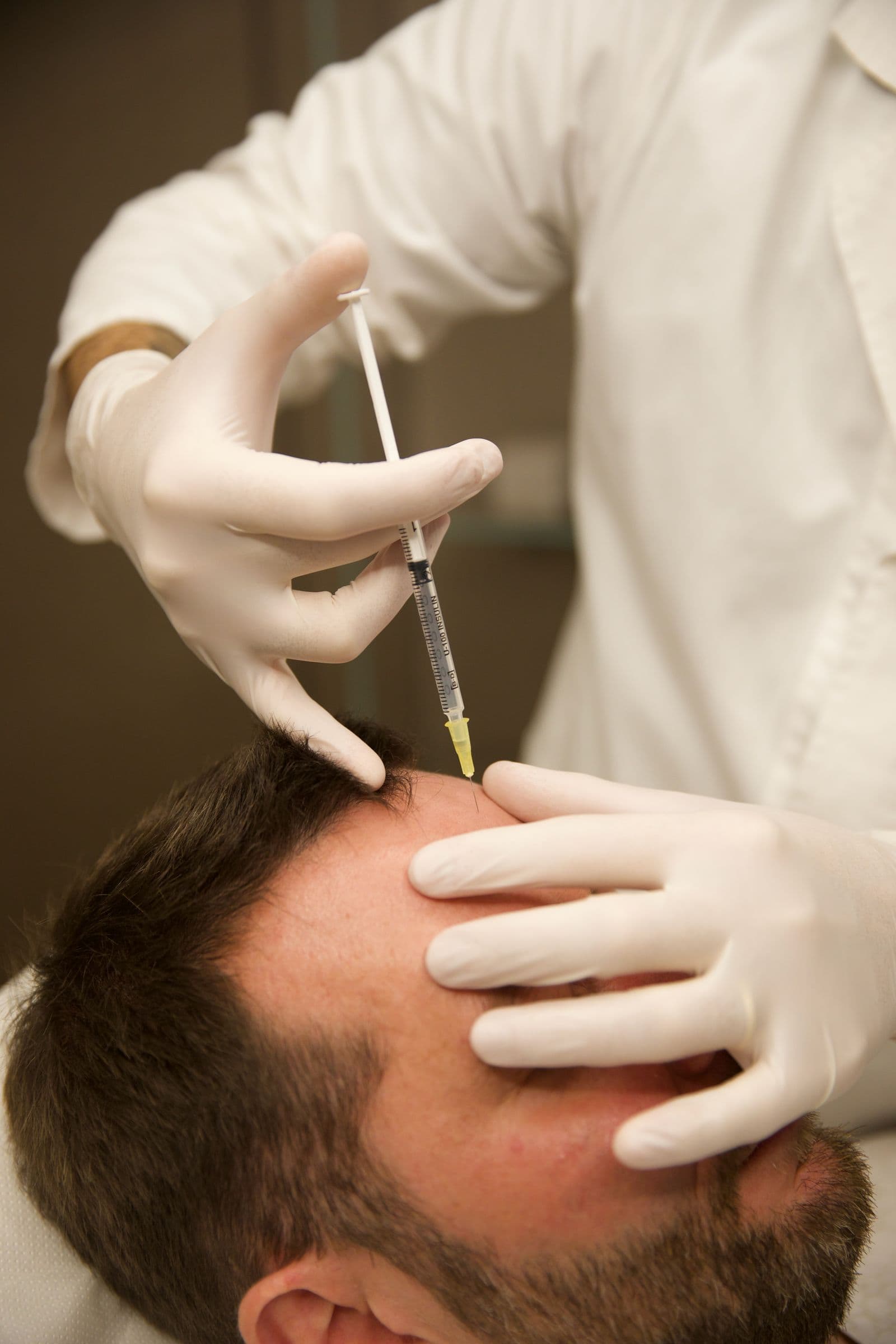
Hair Loss? The Effectiveness of Hair Filler: Reviews and Opinions
At IMAGE REGENERATIVE, we believe that the health of your hair begins with a vital and well-nourished scalp.
Want More Info?
If you need more information, call us at +39 02 76280736, message us on WhatsApp, email us at info.milano@imageregenerative.com, or use the form below.