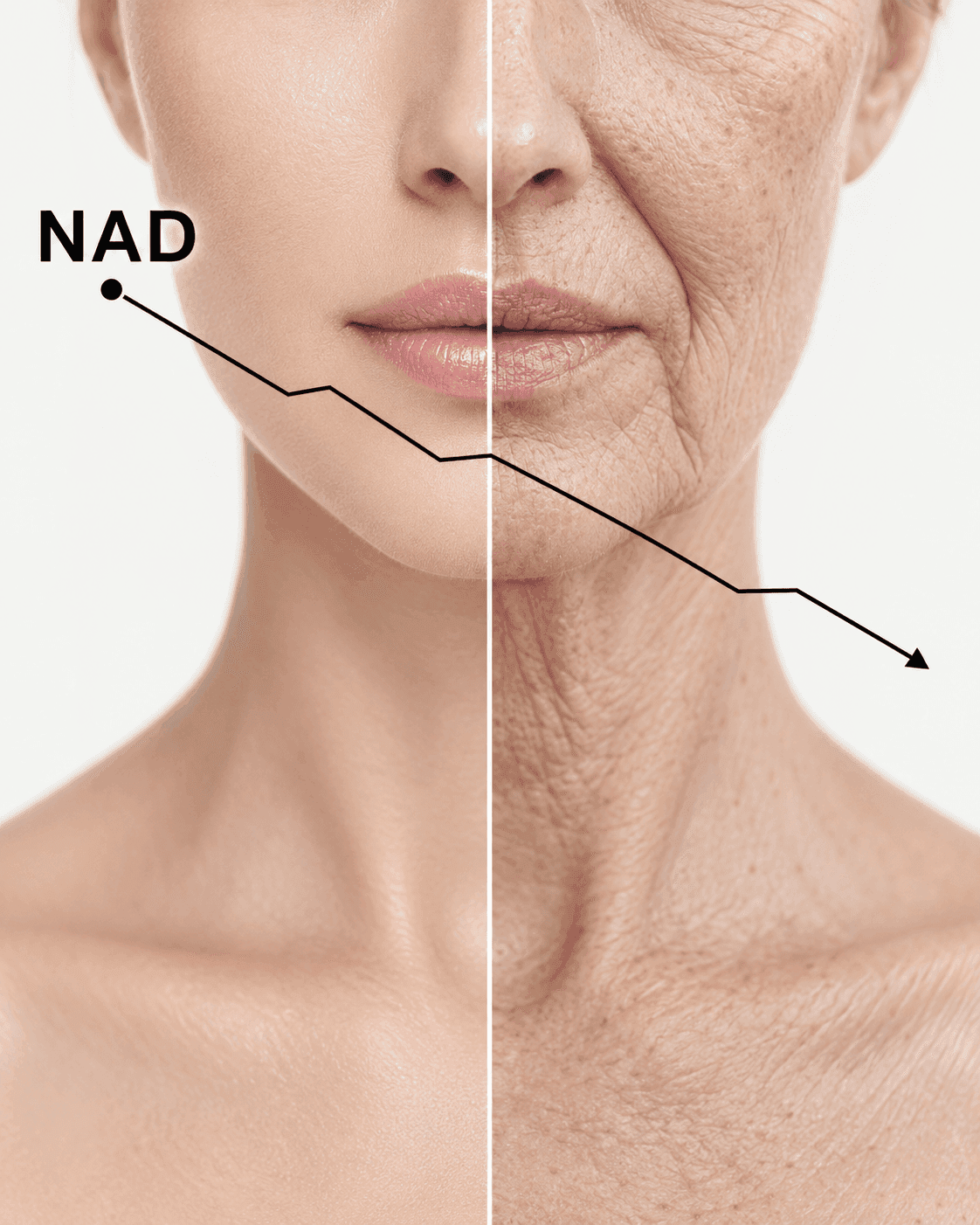
Regenerative Medicine
Why Everyone's Talking About Peptides, NAD+ and GLP-1
Three acronyms have colonized longevity conversations in just a few years, moving from scientific conferences to social media without much mediation. Around peptides, NAD+ and GLP-1 coexist solid data and risky promises.
At Image Regenerative, in our Milano and St. Moritz locations, intravenous NAD+ therapy has been part of longevity pathways for several years, with defined access and exclusion criteria.
Let's see what these molecules really are, what research has shown so far, where available evidence stops and how to distinguish a serious clinical proposal from a marketing campaign.
Peptides, NAD+ and GLP-1: Why There's So Much Talk
The three categories ended up together in the same discourse for a reason that has little to do with biology. All three touch on topics in very high demand—energy, body weight and aging—and all three have a real scientific basis that makes the narrative credible even when pushed well beyond the data.
The difference between the three is however substantial. GLP-1 receptor agonist drugs have regulatory authorization, precise indications and large registration studies. Peptides are an enormous chemical category, comprising very different molecules, some authorized as drugs and most not. NAD+ and its precursors occupy an intermediate position, with a strong biological rationale and clinical translation still under construction.
On this last point there is a useful summary. A review published in the Journal of Gerontology collected studies on oral supplementation with NAD+ precursors in humans, concluding that these substances are safe and well tolerated and effectively increase NAD+ availability in tissues, while evidence that this increase translates into improved physiological function remains uncertain. The authors cite highly heterogeneous protocols and small samples as the main limitations of available literature.
What Peptides Are and How They Work
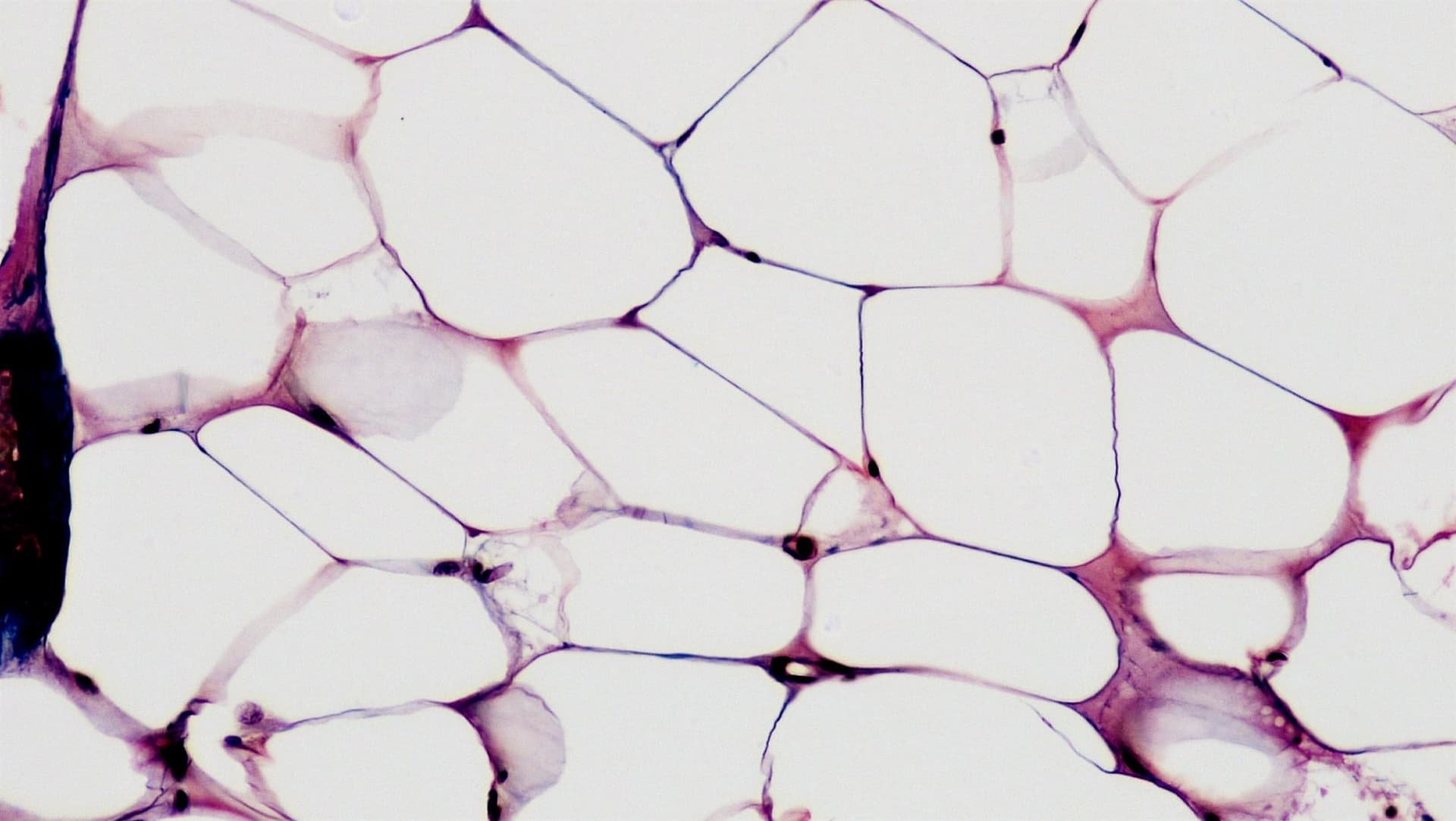
A peptide is a short chain of amino acids, smaller than a protein. In the organism, peptides function mainly as messengers, because they bind to specific receptors and transmit an instruction to the cell. Insulin, growth hormone and glucagon are peptides, and this is enough to understand that the category does not identify a common effect.
It is precisely the breadth of the category that generates confusion. Talking about peptides as if they were a homogeneous therapeutic class is as incorrect as talking about tablets, and it's worth distinguishing the groups most often encountered:
- Authorized pharmaceutical peptides, such as GLP-1 analogs or teriparatide, with approved indications and documented safety profile.
- Cosmetic peptides for topical use, employed in dermatological formulations to support collagen synthesis, with real but limited effects confined to the skin surface.
- Food bioactive peptides, derived from protein digestion, studied for modest metabolic effects.
- So-called research peptides, sold online without human use authorization, lacking quality controls and with concrete risks of contamination or incorrect dosing.
The last category is the most concerning for clinical practitioners. These are substances purchased through uncontrolled channels, injected without medical supervision and often without any proof of efficacy in humans, with a risk-benefit ratio difficult to justify.
NAD+ and Nicotinamide: The Energy Molecule
NAD+, nicotinamide adenine dinucleotide, is a coenzyme present in all cells and indispensable to energy-producing reactions. Without NAD+, glycolysis, the Krebs cycle and the mitochondrial respiratory chain stop, so its metabolic role is far from accessory.
Alongside this function exists a second, more relevant to the longevity discourse. NAD+ is the required cofactor for sirtuins, enzymes that regulate cellular metabolism and gene expression, and for PARPs, which intervene in DNA repair. As age advances, NAD+ levels decline, and the mechanism has a circular logic, because the accumulation of molecular damage activates PARPs, which consume NAD+, leaving less available precisely to sirtuins.
There are two ways to increase its availability. Oral supplementation uses precursors such as nicotinamide riboside or nicotinamide mononucleotide, which the organism must convert, while the intravenous route administers the molecule directly, avoiding the gastrointestinal and hepatic passage. In our practice, infusion lasts between one hour and one and a half hours, the initial cycle includes three or four weekly sessions followed by monthly maintenance, and access requires a reported electrocardiogram together with evaluation of renal and hepatic function.
GLP-1: From Diabetes Drugs to Weight Loss
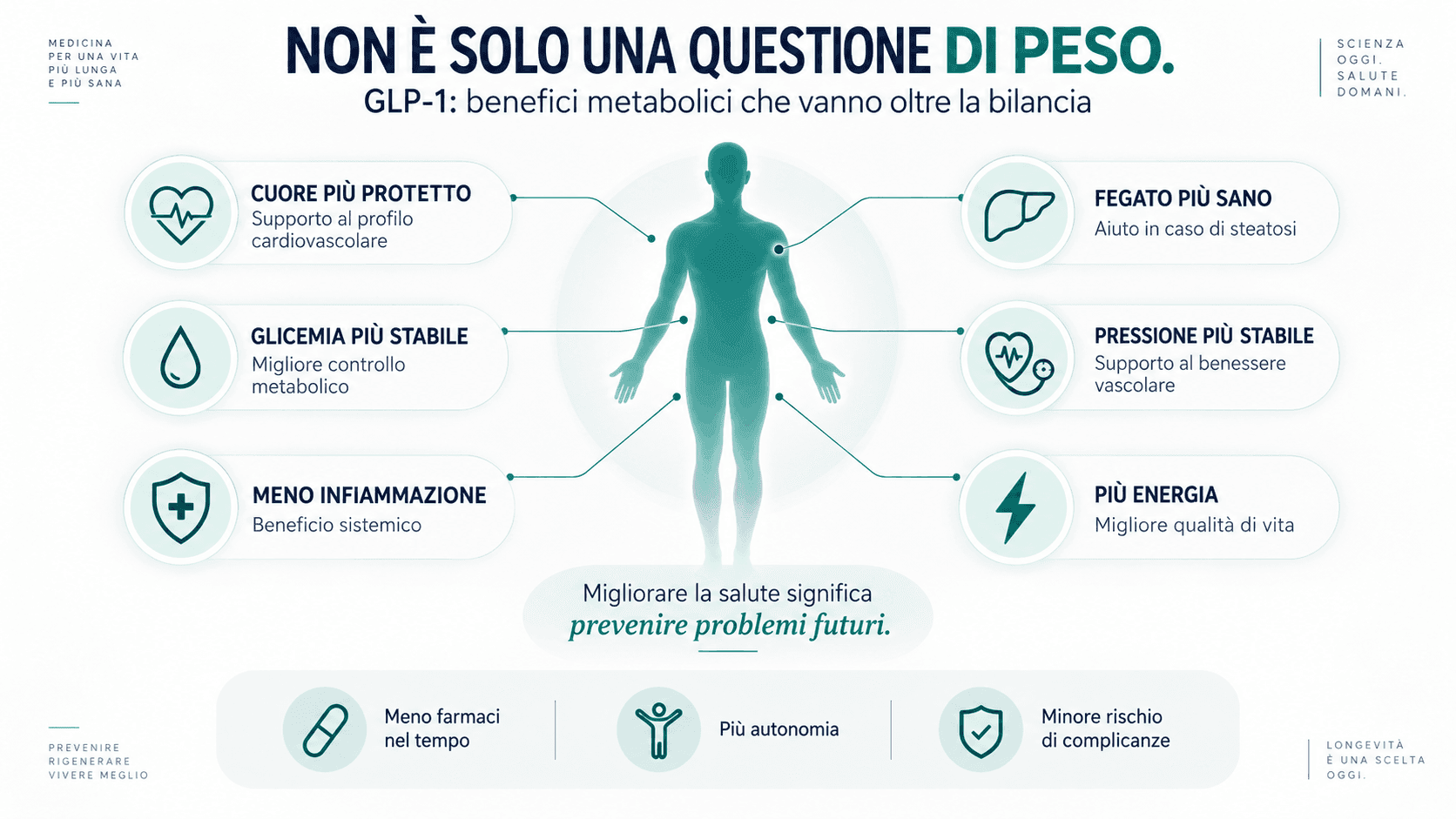
GLP-1 is a hormone produced by the intestine after meals, which stimulates insulin secretion, slows gastric emptying and acts on brain satiety centers. Drugs that mimic its action were born for type two diabetes, and the effect on body weight observed in studies then led to the development of formulations dedicated to obesity.
Authorized indications are precise and worth knowing, because public debate almost always ignores them. In the European Union, semaglutide intended for weight management is approved for adults with a body mass index equal to or greater than thirty, or between twenty-seven and thirty in the presence of at least one weight-related condition, and always in addition to a low-calorie diet and increased physical activity. Administration is weekly and subcutaneous, and the most common undesirable effects concern the gastrointestinal tract, with nausea, vomiting, diarrhea and constipation.
Two points deserve clarity. The first is that the drug is a support to a pathway, and the authorized formulation says so explicitly, because without dietary modifications and without physical activity the result is not maintained upon discontinuation. The second concerns muscle mass, which in rapid weight loss is reduced along with fat mass, with consequences on metabolism and the risk of weight recovery. This is why a serious pathway always associates a body composition evaluation and a strength training program.
Peptides in Aesthetics and Supplements
In aesthetics, peptides have an established use in topical formulations. Signal peptides used in dermatological serums stimulate fibroblasts to produce collagen, carrier peptides transport copper and other cofactors, while neuromodulating peptides mildly attenuate superficial muscle contraction. The effect exists and is measurable, but remains limited in magnitude and requires constant application for months.
The oral supplement market is more confused. Hydrolyzed collagen, the best-selling in the category, is digested into amino acids and small peptides, and research is evaluating whether some of these fragments have a signaling role towards skin fibroblasts. Available data show modest effects on hydration and elasticity, far from what the sector's commercial communication promises.
The practical distinction to keep in mind concerns the route of administration. A peptide applied to the skin or taken orally has a low risk profile and a proportionally limited effect, while an injected peptide has greater potential and requires a prescription, traceable origin and medical supervision. Skipping this step is the most widespread error among those who obtain molecules independently.
What Science Says: Evidence and Caution
Putting the three categories side by side helps understand how different their respective bases of evidence are.
Molecule | What It Is | Main Use | State of Evidence in Humans |
Topical peptides | Short chains of amino acids applied to the skin | Dermocosmetics, collagen support | Real but limited effects on skin parameters |
Unauthorized injectable peptides | Molecules sold outside regulatory channels | No legitimate clinical use | Absent or inadequate, quality and dosing risks |
NAD+ and precursors | Coenzyme and its precursor forms | Energy support in longevity pathways | Good safety, documented level increase, functional benefit still uncertain |
GLP-1 agonists | Analogs of an intestinal hormone | Type two diabetes and weight management | Large registration studies, defined indications and limits |
Reading across this table gives the real picture. Only one of the categories has registration-level efficacy evidence, one has safety evidence but not yet functional benefit, one has modest and well-characterized effects and one should not even enter clinical discourse. Online communication tends instead to treat them as if they belonged to the same level.
How to Navigate Between Hype and Reality
The most useful criterion concerns the method by which a proposal is formulated, even before the molecule being discussed. A well-constructed pathway starts from a measurement, declares a verifiable objective and includes a follow-up check.
Here are the signs that distinguish a solid proposal from a commercial campaign.
- The presence of an initial assessment with tests, because without a measured starting point no result is verifiable later.
- Explicit indication of limits and contraindications, which in a serious proposal are stated before and not after signing.
- Traceability of what is administered, with authorized products and documentable origin.
- A realistic time horizon, with scheduled verification instead of a promised benefit in times that biology does not allow.
There remains a fundamental point that applies to all three molecules. Sleep, nutrition, physical activity and stress management produce effects on metabolic function that none of these substances replicate alone, and proposing a molecule as a shortcut to those pillars means shifting expense without shifting results. In our longevity pathways support therapies come after those foundations have been established, and this sequence is as much part of the result as the therapy itself.
Frequently Asked Questions
Do NAD+ IVs really work?
Infusion increases the molecule's availability in tissues and the procedure is safe and well tolerated. However, human literature shows that translation of this increase into measurable improvement in physiological function remains uncertain, with heterogeneous studies and small samples. In our practice the cycle is accompanied by biomarker measurement before and after.
Are peptides safe?
It depends on the peptide and route of administration. Topical and food peptides have a low risk profile, authorized pharmaceutical peptides have documented safety in registration studies. Injectable peptides purchased online as research products have no quality controls or authorization for human use, and their use is not recommended.
Do GLP-1 drugs cause weight loss without diet?
No. The authorized indication provides for use in addition to a low-calorie diet and increased physical activity, in people who meet precise body mass index criteria. Without these components weight tends to return upon discontinuation, and the loss of muscle mass associated with rapid decline makes recovery more likely.
Are tests needed before starting?
Yes, and they are an integral part of the pathway. For intravenous NAD+ therapy we require a reported electrocardiogram together with evaluation of renal and hepatic function and review of ongoing medications. For a weight management pathway the evaluation includes blood tests, metabolic profile and body composition analysis.
Content reviewed by the medical-scientific committee of Image Regenerative. The information provided is for informational purposes and does not replace specialist consultation.
Related Articles
 regenerative-medicine
Décolleté Rejuvenation: How to Care for Neck and Chest
Décolleté rejuvenation: how to care for neck and chest, from neck wrinkles to Venus rings. Treatments, fillers and biostimulation for the skin.
 regenerative-medicine
Oxygen Ozone Therapy: What Is It? What Are the Benefits?
Oxygen ozone therapy: what it is, what it's for, and what benefits it offers for herniated discs and back pain. How it works, costs, coverage, and contraindications.
 regenerative-medicine
Regenerative medicine: repair, regenerate or prevent?
Regenerative medicine: repair, regenerate or prevent? How stem cells, PRP and autologous therapies work, their applications and what the evidence shows.
Want More Info?
If you need more information, call us at +39 02 76280736, message us on WhatsApp, email us at info.milano@imageregenerative.com, or use the form below.